Studying in North Rhine-Westphalia, Germany
Aachen
A technical-university city where Germany, Belgium and the Netherlands meet, with Charlemagne's cathedral in the middle of the old town.
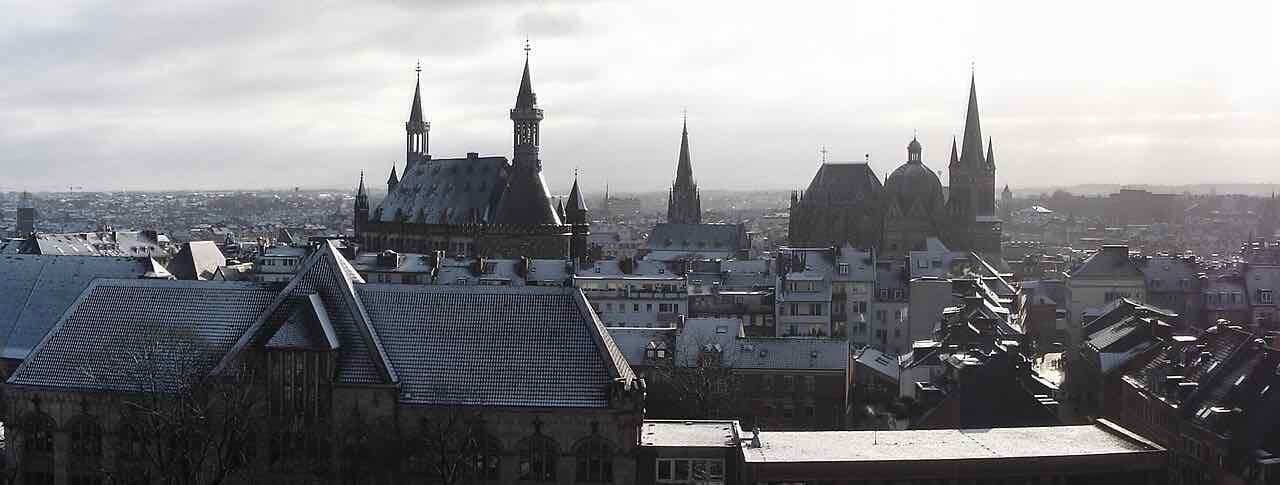
Aachen is the westernmost large city in Germany, and a short bus ride from the point where three countries touch. About 264,000 people live here, and more than 44,000 of them study at RWTH Aachen, one of the biggest technical universities in the country; roughly 15,800 of those students come from 141 countries. Add FH Aachen, a Catholic social-work college and a small music department and you have a city where students are a very visible part of the street life, especially around Pontstraße and the university district. Aachen is also old. Charlemagne spent his winters here from 792, and the cathedral he built is the first German monument on the UNESCO World Heritage list. For a student that mixes into something practical: engineering, natural science and architecture taught in a city with hot springs, a Christmas market, carnival, and trains to Maastricht, Liège, Brussels and Cologne that you can ride for your weekends.
- Other universities
- FH Aachen (about 15,000 students), KatHO NRW Aachen campus, HfMT Köln department in Aachen
- Semester contribution (RWTH, newest breakdown on the AStA page)
- 375.19 EUR, including the semester ticket (226.80 EUR) and the Studierendenwerk contribution (128 EUR)
- Blocked account for a student visa
- 11,904 EUR per year, at most 992 EUR withdrawn per month
Part 1
Living in Aachen
The city Charlemagne chose, and what is left of it
The Romans were here first. They built a spa around the warm springs and called the place Aquae Granni, in the first century. Charlemagne liked the same springs. His palace, finished around the year 800, made Aachen the main royal seat of the Frankish Empire, and he spent most winters here from 792 until his death in 814. Between 936 and 1531, thirty-one German kings were crowned in Aachen. Frederick Barbarossa granted the city its rights in 1166. People sometimes call it the cradle of Europe, and the city leans into that: the Charlemagne Prize for service to European unification has been awarded here since 1950, every year on Ascension Day in the Coronation Hall of the town hall.
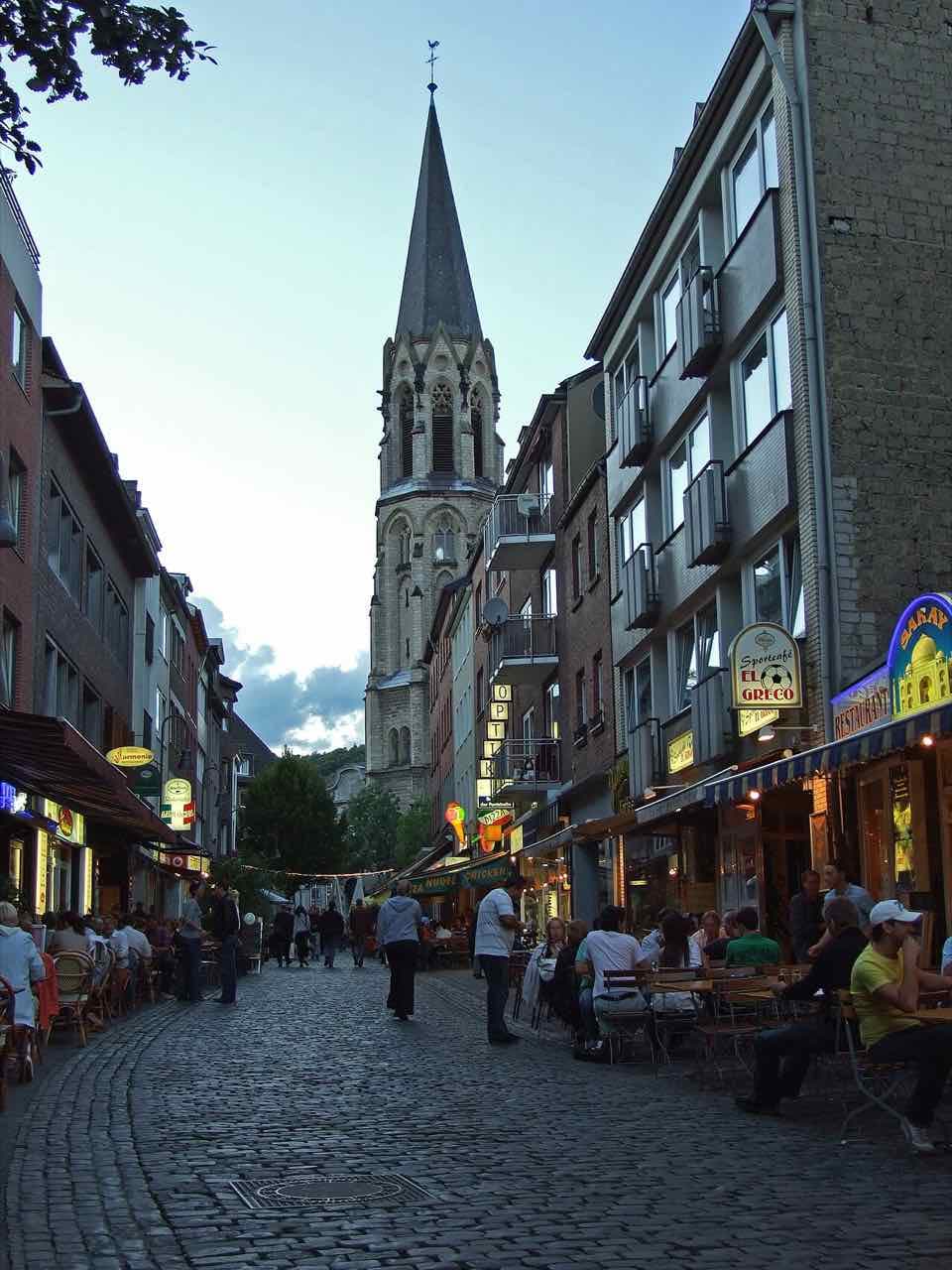
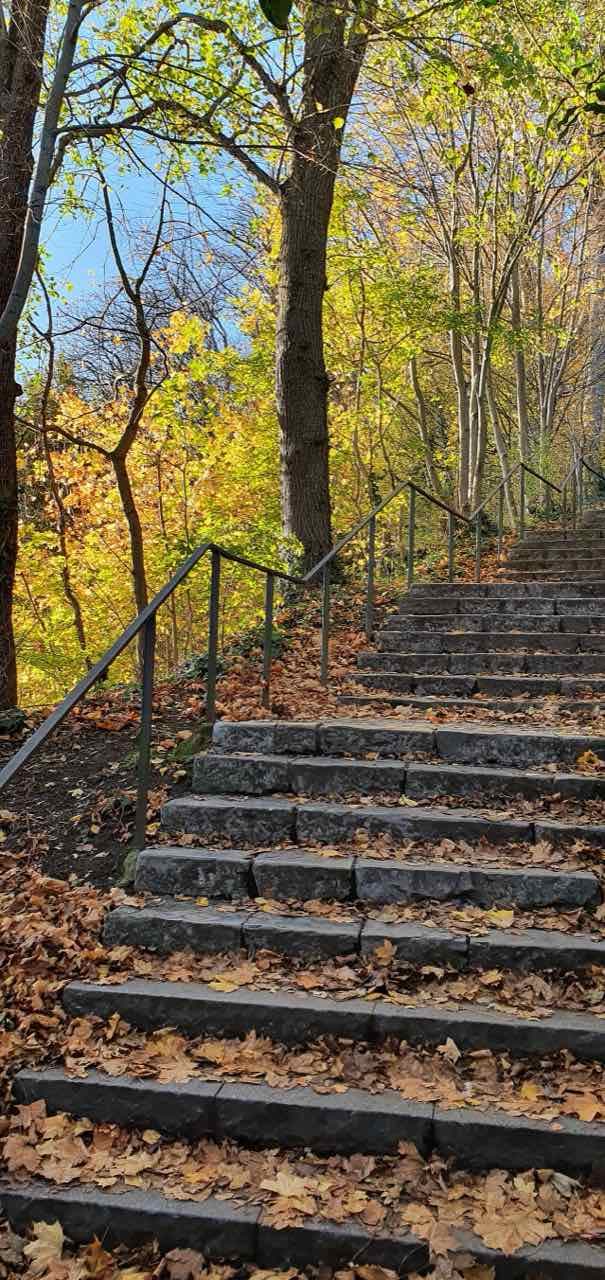
What you get as a student is a compact old centre, not a museum. The cathedral, the town hall and the Elisenbrunnen, a classicist spa pavilion, are within a few minutes of each other and of the main street Pontstraße, which is where students eat and drink. Further RWTH buildings and residence halls lie to the west and south of the centre, and the Lousberg gives you a wooded hill close to town.
Be clear about what this is not. Aachen is a city of 264,000 people, and its scene is smaller than the one in Cologne or Berlin. Its strength is that it is dense, that the university is walkable from the centre, and that three countries are on your doorstep. If you want a big capital with an enormous scene, look at Berlin or Munich. If you want engineering done properly in a place you can know in a month, Aachen fits.
What to see and do, most of it free or cheap
Start with the places that make Aachen different from every other German university town.
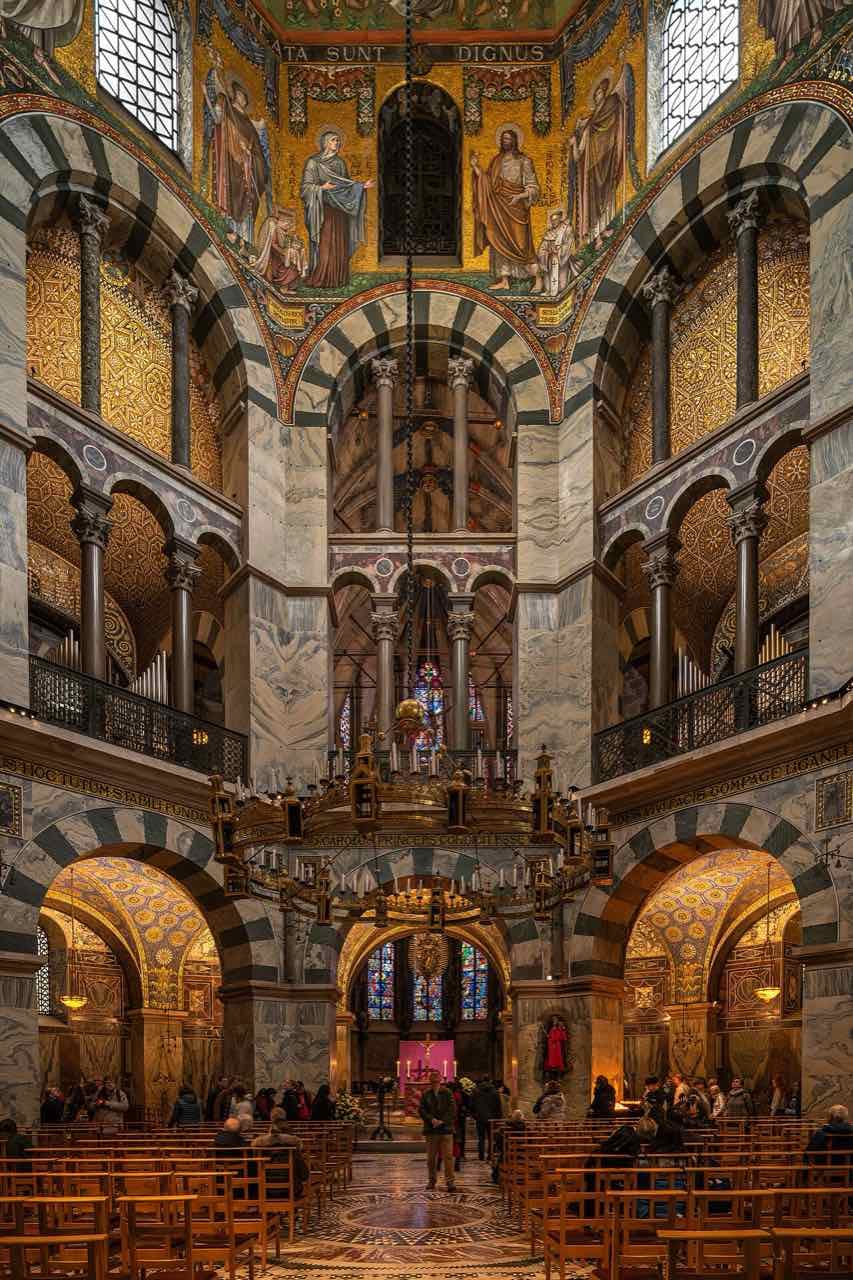
Domhof 1, a 15-minute walk from the main station. Building began around 796 with Charlemagne's chapel, and in 1978 it was one of the first twelve sites on the UNESCO World Heritage list. Charlemagne's remains lie in a gold-and-silver shrine from 1215, and the Gothic choir added in the 14th century is nicknamed the glass house. Entry is free. Opening hours are Monday to Saturday 11:00 to 19:00 and Sunday 13:00 to 17:45, and tourists cannot enter during services.
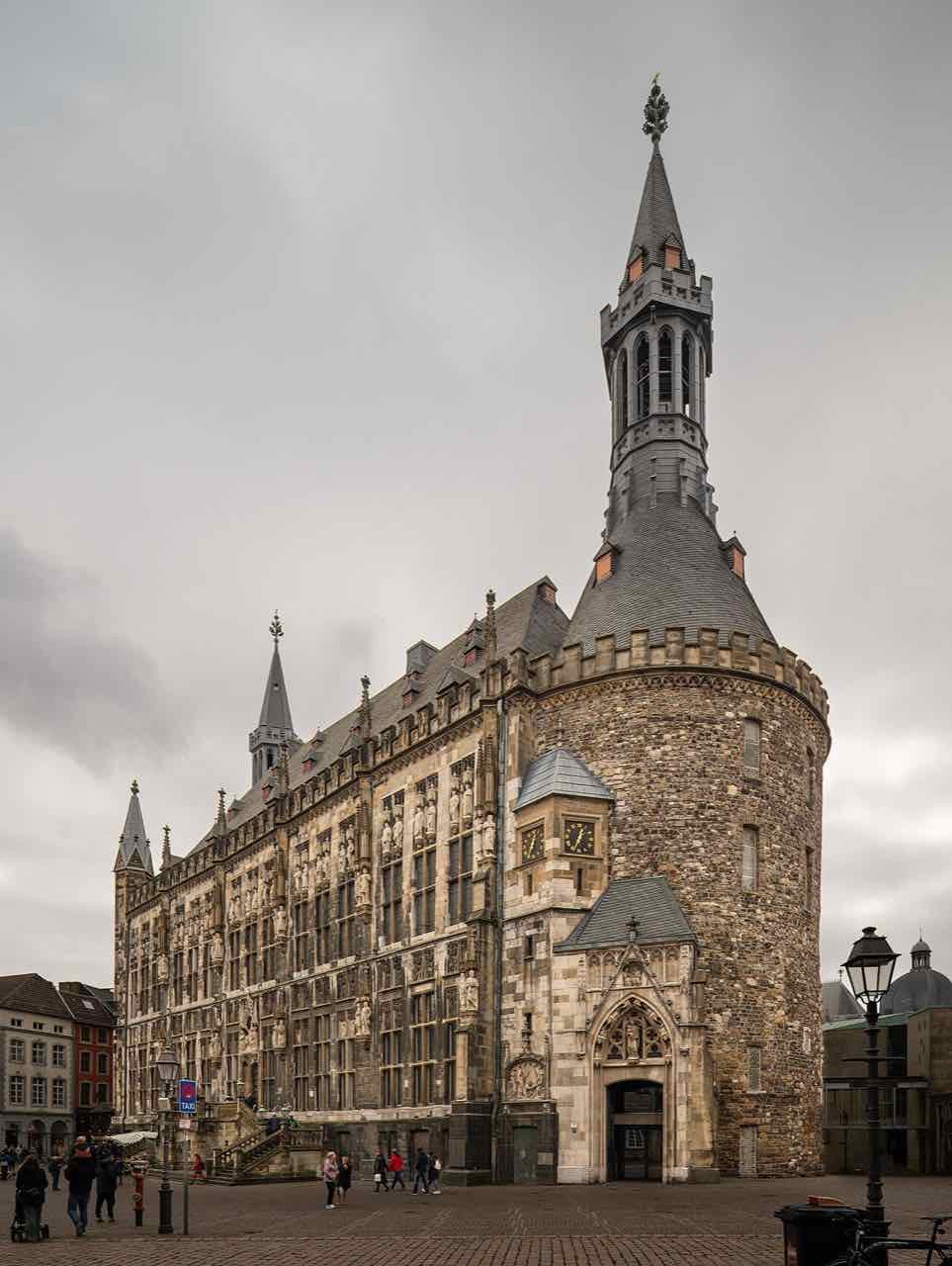
The Rathaus on the market square, with the Coronation Hall where the Charlemagne Prize is awarded. The tourist office lists the 2026 Christmas market for 20 November to 23 December.
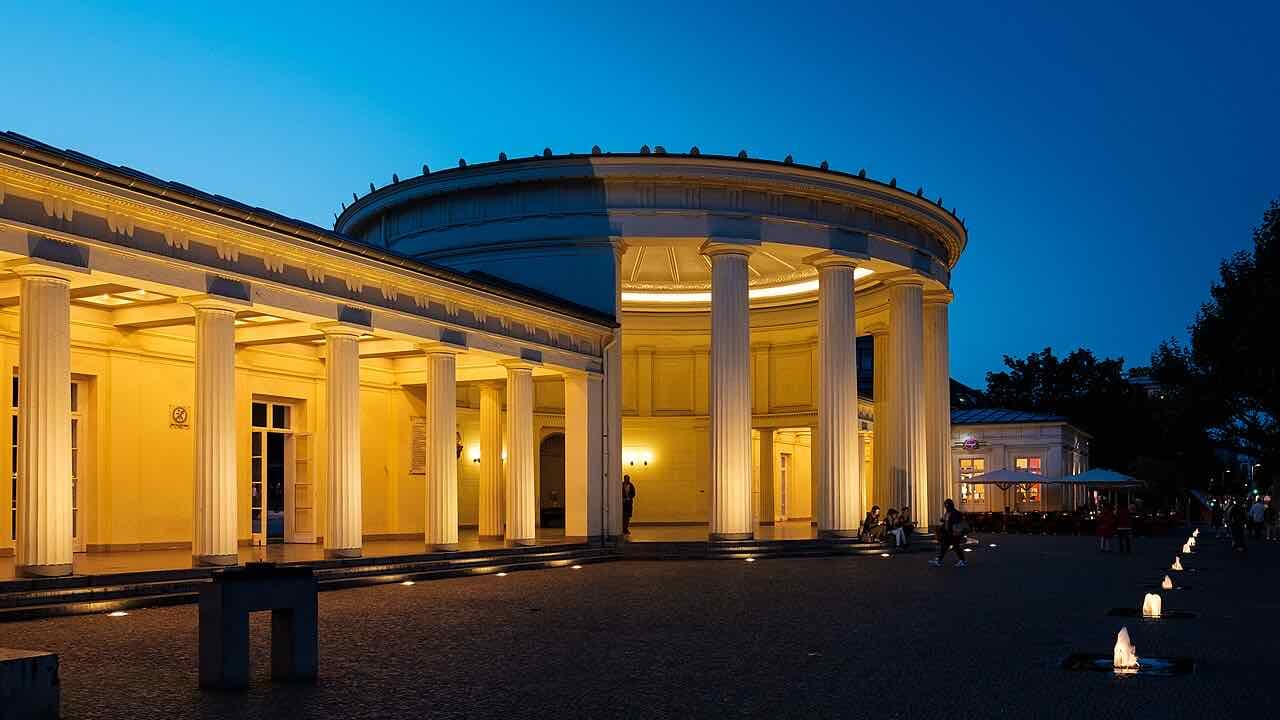
The round spa pavilion with a hot-spring fountain, and the Tourist Info office. It is a good place to meet before a guided tour.
The thermal baths with a sauna area. The Romans used the springs long before Charlemagne did.
Aachen's city museum.
The tourist office lists the Couven Museum (18th and 19th-century living), the Ludwig Forum for modern art and the others in one overview.
The point where three countries meet ↗
The Drielandenpunkt in Vaals, in the Netherlands, is about 323 m above sea level, free to visit and open at all times. A stone marks where Germany, the Netherlands and Belgium meet.
The local spiced bread, baked in flat loaves and made with sugar syrup instead of honey. Lambertz has a factory outlet at Ritterstraße 9 in Aachen.
Aachen is one of Germany's main carnival cities. The Rosenmontag parade for 2026 was listed for 8 February.
Squares, spa and slopes
Three countries for the price of a weekend
Aachen's railway station is the last stop in Germany for trains to Belgium. A fast ICE leaves every two hours for Liège and Brussels in one direction and Cologne and Frankfurt in the other, and the Eurostar from Paris stops here on its way to Cologne, Düsseldorf and Essen. Regional trains are more useful for everyday trips. The LIMAX (RE 18) runs every 30 minutes to Maastricht and on to Liège, RE 1 takes you to Cologne, Düsseldorf and the Ruhr, and the S 41 goes to Verviers and Liège. The Euregio, the cross-border region that Aachen belongs to together with Maastricht, Heerlen, Liège and Hasselt, even runs a free advice point, the GrenzInfoPunkt, for anyone working, living or studying on the other side of a border.
Your semester contribution helps here. The ticket line in the RWTH fee breakdown has a separate Zuid-Limburg add-on of 7.77 EUR for the Dutch province across the border. The International Student Center can tell you whether your permit allows short trips to Belgium and the Netherlands before you book anything.
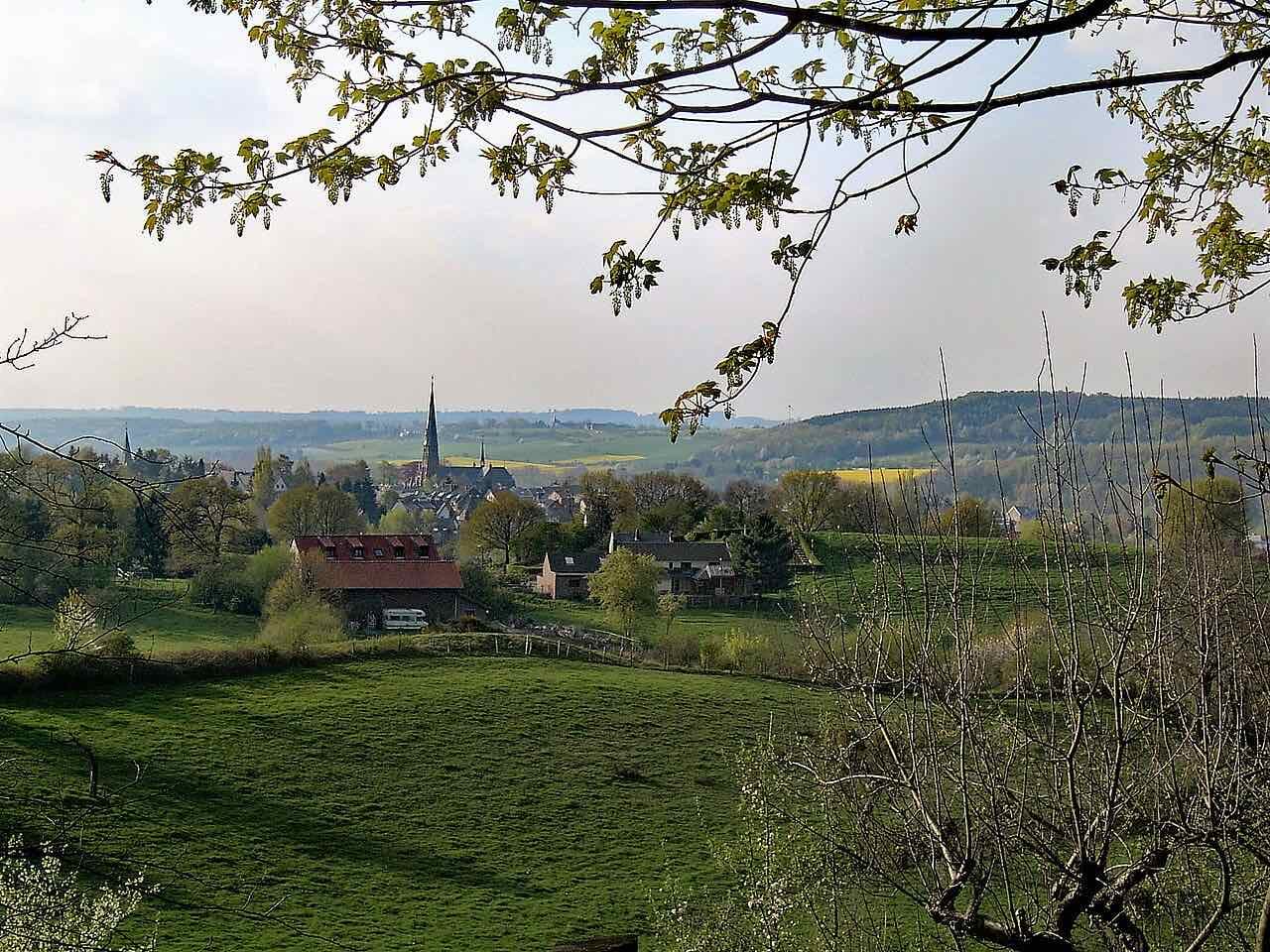
For nature, the Eifel National Park, founded in 2004 and about 110 square kilometres, is the big green destination in the region, while the Lousberg and the Aachen forest are near enough for a run before class. The Maastricht Aachen airport is 28 km away and Cologne Bonn is 88 km, so most students fly out of one of those or take the train.
What it costs to live here
- Semester contribution at RWTH (newest breakdown on the AStA page)
- 375.19 EUR in total: 12.62 EUR student body, 234.57 EUR for the semester ticket and its Zuid-Limburg add-on, 128 EUR Studierendenwerk contributionsource
- Studierendenwerk contribution
- raised from 108 EUR to 128 EUR from the 2026 summer semester; canteen prices also rose on 1 February 2026source
- Studierendenwerk apartment, Am Weißenberg 16-18
- 338 EUR for a 17 m² apartment, 272 to 474 EUR for a room in a shared apartmentsource
- Studierendenwerk, Bärenstraße 19-21
- 302 EUR plus electricity for a room in a shared apartment, 372 EUR plus electricity for an apartmentsource
- Studierendenwerk deposit
- two months of rent before you sign, repaid without interestsource
- Blocked account for a student visa
- 11,904 EUR a year, at most 992 EUR a monthsource
- Minijob without income tax
- up to 556 EUR a monthsource
Official prices from the places that charge them. Private rooms are dearer than the Studierendenwerk rents below, and the cheapest rooms go first.
Getting around, and why you will not need a car
Most students walk or cycle. The RWTH main building, the SuperC student centre, Mensa Academica and the Pontstraße bars are all inside the old centre, and RWTH's western campus has its own canteens at Ahornstraße and Vita. The AVV, the Aachen transport association, and the ASEAG buses cover the city and the area around it. The AStA's fee page calls your semester ticket the Semesterticket (DE) and prices it at 226.80 EUR in the newest breakdown, but the page does not say how far it reaches, so check the AStA ticket FAQ before you plan a long trip on it.
Aachen has a student-run bike-sharing group, esel.ac, which the RWTH list of initiatives includes among its roughly 109 accredited groups. If you live in one of the Studierendenwerk halls on Bärenstraße or Rütscher Straße, you are five to ten minutes on foot from the main building.
Work, research and employers around the university
Most jobs for students in Aachen come from the university and the research institutions around it, not from big offices.
Student assistant jobs at RWTH institutes ↗
Most institutes hire student assistants. Under the Residence Act these jobs do not count against the work-day limit for non-EU students, but you must still report them to the Ausländerbehörde. The AStA runs a Jobbörse for other student jobs.
Fraunhofer institutes in Aachen ↗
Fraunhofer lists three research institutes in the city: Laser Technology (ILT), Production Technology (IPT) and the Molecular Biology division of the IME. They employ students as assistants and thesis writers.
Wikipedia names the Ford Research Center among the industrial employers in Aachen's economy.
A platform for founders from RWTH and FH Aachen, where students, researchers and companies work on start-ups. Its news page says Aachen ranks among Germany's top four start-up cities.
The city runs a volunteer database where you can find unpaid roles with clubs and charities, which helps if your permit limits paid hours.
Part 2
Student life in Aachen
Where you can study
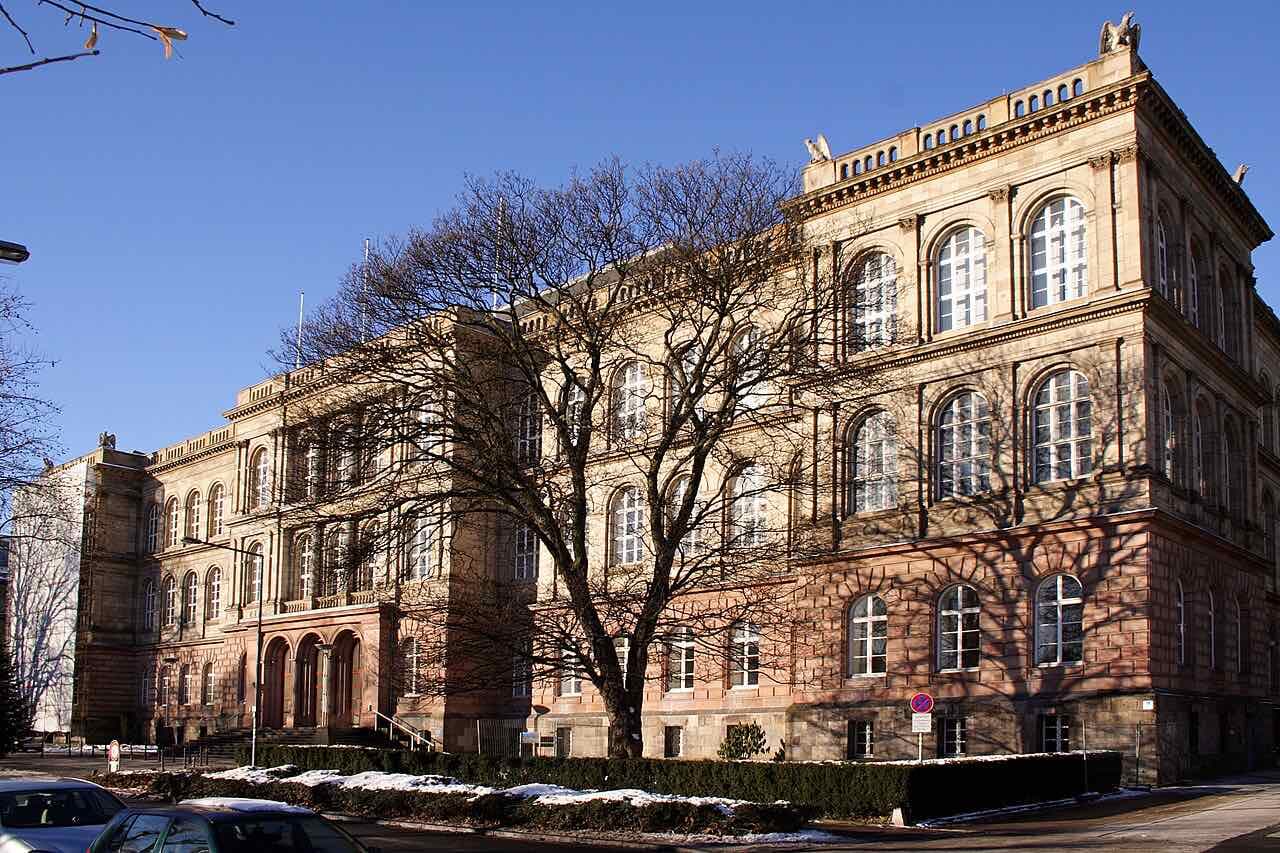
The technical university and the reason most people come: 44,382 students in winter semester 2025/26, 10 faculties, and 15,811 international students from 141 countries. The campus is spread through the city, with the main building and SuperC near the centre and further institutes to the west. It is strongest in engineering, natural sciences and architecture, and many master's programmes are taught in English. The International Student Center in SuperC advises on academic planning, visas and immigration.
International office ↗FH Aachen University of Applied Sciences ↗
One of the biggest universities of applied sciences in Germany, with about 15,000 students, four urban sites in Aachen and a campus in Jülich. It has ten faculties covering architecture, civil engineering, chemistry and biotechnology, design, electrical engineering, aerospace, business, mechanical engineering, medical technology and energy technology. Its International Oriented Studies are taught in English for the first two semesters, and it runs a preparatory Freshman Institute for international students in Geilenkirchen. Our board lists two FH Aachen programmes.
Katholische Hochschule NRW (KatHO), Aachen campus ↗
The Aachen site of the Catholic university of applied sciences, at Robert-Schuman-Straße 25 in Burtscheid, south of the centre. It teaches social work as a bachelor's (full-time, dual and compact formats) and has master's profiles in clinical-therapeutic social work and in education and participation. KatHO has 5,288 students in total across Aachen, Köln, Münster and Paderborn. Teaching is in German.
Hochschule für Musik und Tanz Köln, Aachen department ↗
The smallest department of the Cologne music and dance university, with about 130 to 140 students. It works closely with Theater Aachen and the Aachen symphony orchestra, including joint opera productions and internships at the theatre.
Student unions, services and groups
The student union. Its social team gives advice on BAföG, housing, jobs, health insurance and mental health, Monday to Friday 10:00 to 14:00. It also runs legal counselling on tenancy, a Jobbörse and the discount code service.
AV, the representation of foreign students ↗
Elected each year by RWTH's international students. It holds consultations on residence permits, visas and rental contracts, with a lawyer for foreigners' law you can see free of charge, and organises a Welcome Week every semester. Offices are in the Humboldt-Haus, Pontstraße 41, and at the AStA office in Mensa Academica.
Runs the residence halls (about 5,000 places in 24 halls in Aachen and Jülich), the canteens, the BAföG office, childcare and social counselling. Phone +49 241 80 93200.
The university sport centre, at Mies-van-der-Rohe-Straße 3, with over 100 different sports and the RWTH GYM, over 1,000 m² with more than 180 workout stations.
RWTH's International Office pairs new international students with experienced students, ideally from the same faculty, for practical advice on arriving and on the degree.
The local Erasmus Student Network section, which RWTH lists as a candidate section, for exchange students and international newcomers.
Part of AEGEE, a European student network with over 240 local groups in more than 40 countries. The Aachen group trains Erasmus tutors and accompanies international students during their stay.
INCAS, the Intercultural Centre of Aachen Students ↗
A student organisation supported by the International Offices of RWTH and FH Aachen, serving international students, interns and people taking a German course.
RWTH's international community centre at Pontstraße 41, open every day, where accredited student clubs and the AV organise cultural events. Individuals cannot book rooms, but you can go to the events.
Katholische Hochschulgemeinde (KHG) ↗
The Catholic student chaplaincy at Pontstraße 74-76. It offers services, groups, choirs, counselling and, once a month, a service in English and German.
Evangelische Studierendengemeinde (ESG) ↗
The Protestant student community at Nizzaallee 20, open to students of all nations and religions, with a student residence, Café International, counselling and a weekly newsletter.
The student radio station, which takes volunteers and trainees from all faculties.
The Sprachenzentrum is where RWTH points students who want to learn German.
A co-innovation platform where RWTH and FH students, researchers and companies launch start-ups together.
Overview of RWTH student initiatives ↗
Lists about 109 accredited groups: Formula Student teams, a student orchestra and big band, a debating club, a student film unit, UNICEF and Rock Your Life volunteering, EUROAVIA, BEST, AIESEC and many country groups.
Campus life and study culture
RWTH is large and technical, so your day depends on your faculty. Each winter semester more than 9,000 new students arrive, according to the university's own housing page, so lectures in the first weeks are crowded and the best advice is to find your faculty's student council early. The AV runs a Welcome Week each semester, and the lecture hall C.A.R.L. at Claßenstraße 11 is where the annual Day of Student Initiatives (TdsI) took place in November 2025, with the Global Village event the day before, hosted by AIESEC. If you want to see what student life offers, go to those two events: about 109 groups present themselves there, from Formula Student racing teams to a debating club.
A third of RWTH's students are from other countries, so you will not be the only foreigner in any lecture hall. The International Student Center in SuperC, room 329, Templergraben 57, can be reached on +49 241 80-90660 or at international@rwth-aachen.de. In-person office hours are Monday to Thursday 9:30 to 12:30. If you doubt your programme, they are also the people to talk to, not only about visas.
Check the language of instruction of each programme on RWTH's degree page before you apply, and use the Language Center if you need German. FH Aachen teaches the first two semesters of its International Oriented Studies in English.
Housing: how to get a room, and what to avoid
Finding a room is the hardest part of starting in Aachen. RWTH itself does not own dorms, so you rely on the Studierendenwerk, private dorms and the open market.
Studierendenwerk residence halls ↗
About 5,000 places in 24 halls in Aachen and Jülich. Rents are all-inclusive in most halls, with electricity billed separately in shared apartments. You can apply online even before you have been admitted; you show your enrolment papers only when you sign the contract. If you apply for the whole range of rooms the wait is about six months, and if you want only apartments it can be a year or more. Apply for the winter semester by August or September at the latest.
The Studierendenwerk keeps rooms for students on exchange or partner programmes. The application form comes from the International Office of your university.
RWTH's housing advice for international students ↗
Housing guide in PDF, plus advice by email at housing@rwth-aachen.de and +49 241 80 90681. Start looking two to three months before you arrive. Studierendenwerk deposits come back within 12 to 14 weeks of move-out, private ones can take up to six months.
ESG residence on Nizzaallee 20 ↗
The Protestant student community runs its own student residence. Applications for the 2026/27 winter semester have closed, so look at the next round.
RWTH warns against offers that ask for a deposit before you have seen the flat, especially from people who say they are abroad. Never pay by external transfer before you have a signed contract and have seen the room. The AV publishes a scam document and video, and the AStA gives legal advice on rental disputes.
Canteens and food
The Studierendenwerk runs nine dining halls, seven cafeterias and four coffee bars in Aachen and Jülich. The big one is Mensa Academica on Pontwall 3, which has existed for more than 90 years, was renovated between 2012 and 2014 and serves more than 6,000 guests a day. At the moment it runs on a reduced menu while it is renovated for energy efficiency. Mensa Bistro Templergraben, in the vaulted cellar of the RWTH main building at Templergraben 55, serves only vegetarian and vegan food. Mensa Ahornstraße and Mensa Vita are on the western campus, and Mensa Bayernallee, Eupener Straße, KMAC and Südpark serve the FH campus in the south. The newest cafeteria is in the C.A.R.L. lecture hall.
Mensa Academica takes only cashless payment by BlueCard, FH Card or guest card. For something other than canteen food, go to Pontstraße, where restaurants line the cobbled street.
Sport, clubs and nights out
Hochschulsport offers more than 100 sports across the city, with the sport centre at Mies-van-der-Rohe-Straße 3 and facilities that reach as far as the Rursee. The ski fair for 2026 is listed for 7 November, and the Ice Hockey Uni Cup for 10 December. Club sport also runs through the student societies: the academic sailing association, the student orchestra, the Bigband, the debating club and a film unit, all listed by RWTH.
Nights out happen on and around Pontstraße, the cobbled street in the Pontviertel, where restaurants, bars and clubs share the same few hundred metres and tables spill onto the street on warm evenings. Aachen is also a carnival city, and the Christmas market from 20 November to 23 December 2026 fills the centre. For football, Alemannia Aachen plays at the Neuer Tivoli, which holds 32,960 people. Money is tight for most students, so the practical rule is to check what the AStA and the cultural student group Projektverein akademischer Kultur put on, because that is usually free or cheap.
Your first weeks, step by step
- 1
Before you fly
Get your admission. Open the blocked account (11,904 EUR a year, 992 EUR a month) and apply for your student visa. Apply online for a Studierendenwerk room at once, and ask the International Student Center for a BeBuddy if you want one.
- 2
Arrival, first days
Register your address within two weeks at the Citizens' Office. You need the Wohnungsgeberbestätigung from your landlord and an appointment, which you book through the city's service portal.
- 3
First weeks
Enrol at RWTH and pay the semester contribution (375.19 EUR in the newest breakdown, semester ticket included). Join the AV's Welcome Week, and drop into the International Student Center at SuperC, room 329.
- 4
Residence permit
The Ausländeramt of the StädteRegion Aachen has a branch inside the RWTH SuperC, rooms 421 and 422, Templergraben 57. There is no open consultation hour, so book through the StädteRegion's online appointment tool. Phone +49 241 5198-3430, email info.auslaendische.studenten@staedteregion-aachen.de.
- 5
Bank and insurance
Open a bank account and arrange health insurance. AISA lists a partnership with the insurer BARMER for its members, and the AStA social team advises on insurance and BAföG.
- 6
Whenever you start work
Non-EU students may work up to 140 full days or 280 half days a year. Student assistant jobs at the university do not count against the limit but must still be reported to the Ausländerbehörde. A minijob pays up to 556 EUR a month without income tax. Ask the AV or the AStA social team before you sign.
Where you come from matters here
Pick your home country: food, faith, community groups and the consulate that serves you, checked 21 October 2026.
🇮🇳 Living in Aachen as an Indian student
Indian students are one of the largest groups at RWTH, and they have their own association with a website, an events calendar and a long list of cultural festivals. AISA names the Consulate General of India in Frankfurt as its partner for passport and visa matters.
AISA, the Association of Indian Students in Aachen ↗
A registered student association for Indian students at Aachen. Its site offers a Home Buddy programme for newcomers, accommodation enquiries, newsletters and a documents section, and lists a partnership with the insurer BARMER for health insurance. Past events include Utsav (the Indian cultural festival), Garba, Holi, Eid celebrations and Bollybeats, and registrations for a 2026 Baisakhi festival are open on its events page.
Consulate General of India, Frankfurt ↗
Friedrich-Ebert-Anlage 26, 60325 Frankfurt am Main. Its website covers passport services, Overseas Citizen of India (OCI) cards and attestation, with applications taken in the morning and collected in the late afternoon. Its site has a jurisdiction page, which tells you whether it serves your case.
Hinduistische Gemeinde Aachen ↗
The city's interfaith working group lists this Hindu community, but the page gives no address or website, so ask AISA where people go for festivals such as Holi and Diwali.
🇳🇬 Living in Aachen as a Nigerian student
We found no Nigerian student association with its own site in Aachen. The embassy handles passports and visas from Berlin, and the Protestant student community is open to students of all nations.
Neue Jakobstrasse 4, 10179 Berlin. Passport applications are by appointment booked on the Nigeria Immigration website, and the page says appointments are free. An enhanced e-passport requires a National Identity Number, and visa applications go through the VFS partner at Zimmerstrasse 68, Berlin.
Evangelische Studierendengemeinde Aachen ↗
Nizzaallee 20. It welcomes students of all nations, has a residence, a weekly newsletter, and counselling by appointment.
🇻🇳 Living in Aachen as a Vietnamese student
Aachen has a long-established Vietnamese-German friendship association, run by volunteers since 1999, that is a good first contact for Vietnamese students.
Deutsch-Vietnamesischer Freundeskreis Aachen e.V. ↗
Founded in 1999. It organises the traditional New Year celebration each spring, a stand at the multicultural festival in Kennedypark and a Moon Festival, and takes donations for its cultural and charitable work. RWTH lists it among its accredited initiatives.
The embassy's consular department in Berlin handles passports, legalisation and other procedures. A news item says it has been issuing electronic passports since 1 April 2026, and it warns about scammers posing as embassy staff.
🇧🇩 Living in Aachen as a Bangladeshi student
Aachen has no Bangladeshi consulate (the city's consulate list shows only honorary ones for other countries), and no Bangladeshi student association with its own website turned up. Two mosques open to any Muslim student are below.
Islamisches Zentrum Aachen (Bilal-Moschee) ↗
A mosque with daily prayer and programmes in German, Arabic, English and French, plus counselling and guided tours.
A community centre with prayer rooms, youth work and programmes in German, with materials in Turkish and English at festival times.
🇵🇰 Living in Aachen as a Pakistani student
Pakistani students have their own association in Aachen, and the city has two large mosques open to any Muslim student.
PSA Aachen, the Pakistan Student Association ↗
A student group that shares Pakistani culture and food with the Aachen community and helps new arrivals with health insurance, a bank account and finding a room. Its site lists past events such as a Pakistani breakfast and a stand at Global Village; contact through its Facebook and Instagram pages.
Islamisches Zentrum Aachen (Bilal-Moschee) ↗
Professor-Pirlet-Str. 20, 52074 Aachen. It offers lectures and classes in German, Arabic, English and French, a youth group for boys and men aged 13 to 27, a girls' group for ages 5 to 25, counselling and guided tours. Contact kontakt@izaachen.de or +49 241 88 906 0.
Moscheeplatz 1, 52068 Aachen. A Turkish-Islamic community with a prayer and community centre, youth and senior work; Friday prayer is at 14:30 in the summer-time period and the site says its doors are open to everyone.
🇨🇲 Living in Aachen as a Cameroonian student
RWTH lists a student initiative called 3 E's 4 Africa e.V., but it publishes no website we could confirm, and we found no Cameroonian association with its own site. The links below are for practical help and for a church community with a monthly English service.
The embassy covers Germany and nine other countries and is where you renew a passport or ask about consular papers.
Katholische Hochschulgemeinde Aachen ↗
Services on Sundays at 19:00 at the City-Kirche St. Nikolaus, bilingual German and English on the first Sunday of each month, plus an international service for English-speaking students at the Kind-Jesu-Kapelle (check the calendar for times). It also runs counselling and a Thursday morning prayer.
Café International at the ESG ↗
The Protestant student community lists Café International and a counselling service for international students, which resumes in October 2026. Contact beratung@esg-aachen.de.
🇨🇳 Living in Aachen as a Chinese student
Chinese students are well organised in Aachen: the student and scholar association has its own multilingual website, a freshman guide and a yearly festival on the square opposite SuperC.
VCWSA, Aachen Chinese Students and Scholars Association ↗
A registered, non-profit association for Chinese students in Aachen, with a site in German, English and Chinese. It publishes a freshman guide, runs the Aachen Chinese Festival at Platanenplatz (the square opposite SuperC) and a campus job fair in NRW, and has student competition teams that placed in Huawei tech contests. The site links to its Instagram, Bilibili, YouTube and LinkedIn pages.
Consulate General of China, Düsseldorf ↗
The nearest Chinese consulate general. Its site is mainly in Chinese, with a German version, and a consular notice explains how to handle passports and travel documents online through the China Consular app.
Chinese-German Society Aachen ↗
An e.V. accredited by RWTH as a student initiative; it is listed alongside the Aachen Chinese Finance Club on the RWTH initiatives page, which is the best place to find their current contact.
English-taught programmes in Aachen
Soonest open deadline first. Every entry links to its official source.
- Communications Engineering — Major of Electrical Engineering and Information TechnologyRWTH Aachen University · AachenmasterNo tuition15 Jan 2027Open
- Computer EngineeringRWTH Aachen University · AachenmasterNo tuition15 Jan 2027Open
- Systems and Automation — Major of Electrical Engineering and Information TechnologyRWTH Aachen University · AachenmasterNo tuition15 Jan 2027Open
- Electrical Power Engineering — Major of Electrical Engineering and Information TechnologyRWTH Aachen University · AachenmasterNo tuition15 Jan 2027Open
- Micro- and Nanoelectronics — Major of Electrical Engineering and Information TechnologyRWTH Aachen University · AachenmasterNo tuition15 Jan 2027Open
- International Business Development (MSc)FH Aachen University of Applied Sciences · AachenmasterNo tuition15 Jan 2027Open
- Applied Geosciences – Applied Mineralogy and Crystallography (AMC) (MSc)RWTH Aachen University · AachenmasterNo tuition15 Jan 2027Open
- Applied Geosciences – Computational Geology and Geophysics (CGG) (MSc)RWTH Aachen University · AachenmasterNo tuition15 Jan 2027Open
- Applied Geosciences – Energy & Mineral Resources (EMR) (MSc)RWTH Aachen University · AachenmasterNo tuition15 Jan 2027Open
- Applied Geosciences – Field-Based Geosciences (FBG) (MSc)RWTH Aachen University · AachenmasterNo tuition15 Jan 2027Open
- Georesources Management (MSc)RWTH Aachen University · AachenmasterNo tuition15 Jan 2027Open
- Applied Geosciences – Geoengineering (GIN) (MSc)RWTH Aachen University · AachenmasterNo tuition15 Jan 2027Open
- Biomedical Systems Engineering — Major of Electrical Engineering and Information TechnologyRWTH Aachen University · AachenmasterNo tuition15 Jan 2027Open
- Resilient Civil Engineering (RCE)RWTH Aachen University · Aachenmaster01 Mar 2027Open
- Battery Systems Engineering (BSE)RWTH Aachen University · Aachenmaster01 Mar 2027Open
- Biomedical EngineeringRWTH Aachen University · AachenmasterNo tuition01 Mar 2027Open
- Computer-Aided Conception and Production in Mechanical Engineering (CAME)RWTH Aachen University · Aachenmaster01 Mar 2027Open
- Management and Engineering in Computer-Aided Mechanical Engineering (MME-CAME)RWTH Aachen University · Aachenmaster01 Mar 2027Open
- Management and Engineering in Production Systems (MME-PS)RWTH Aachen University · Aachenmaster01 Mar 2027Open
- Master of Public Administration in European Studies (MPA-ES)RWTH Aachen University · Aachenmaster01 Mar 2027Open
- Robotic Systems Engineering (RoboSys)RWTH Aachen University · Aachenmaster01 Mar 2027Open
- Smart Production Engineering (SPE)RWTH Aachen University · Aachenmaster01 Mar 2027Open
- MSc Water Security and Global ChangeRWTH Aachen University · AachenmasterNo tuition15 Mar 2027Open
- IDEA League Joint Master's in Applied GeophysicsRWTH Aachen University · Aachenmaster01 Apr 2027Open
- Master of Science in Applied Health Informatics and Digital MedicineRWTH Aachen University · Aachenmaster15 Jul 2027Open
- Master of Science in PeriodontologyRWTH Aachen University · Aachenmaster15 Jul 2027Open
- MSc Battery Science and Technology in EngineeringRWTH Aachen University · AachenmasterNo tuition15 Jul 2027Open
- Sustainable Management — Water and EnergyRWTH Aachen University · AachenmasterNo tuition15 Jul 2027Open
- Software Systems EngineeringRWTH Aachen University · AachenmasterNo tuition15 Jul 2027Open
- MSc Sustainable Resources and Energy Supply – Specialisation in Repository SafetyRWTH Aachen University · AachenmasterNo tuition15 Jul 2027Open
- Automotive Engineering (MSc)RWTH Aachen University · AachenmasterNo tuition15 Jul 2027Open
- Global Business and Economics (Bachelor of Science)FH Aachen University of Applied Sciences · AachenbachelorNo tuition15 Jul 2027Open
- MSc Materials Engineering (International Profile)RWTH Aachen University · AachenmasterNo tuitionRollingApply anytime
- MSc PhysicsRWTH Aachen University · AachenmasterNo tuitionSee sourceCheck source
- MSc Sustainability Management: Technology, Analytics & Transformation (SMA)RWTH Aachen University · AachenmasterSee sourceCheck source
- Data ScienceRWTH Aachen University · AachenmasterNo tuitionSee sourceCheck source
- MSc Data Analytics and Decision Science (DDS)RWTH Aachen University · AachenmasterSee sourceCheck source
- European Mining Course (EMC)RWTH Aachen University · AachenmasterNo tuitionSee sourceCheck source
- Full-Time MBA Digitalisation & Industrial ChangeRWTH Aachen University · AachenmasterSee sourceCheck source
- MSc Engineering GeohazardsRWTH Aachen University · AachenmasterNo tuitionSee sourceCheck source
- MSc Management and Engineering in Technology, Innovation, Marketing and Entrepreneurship (MME TIME)RWTH Aachen University · AachenmasterSee sourceCheck source
- MSc Management and Engineering in Technology, Innovation, Marketing and Entrepreneurship (MME TIME) – part-timeRWTH Aachen University · AachenmasterSee sourceCheck source
- Advanced Computational Methods in Civil EngineeringRWTH Aachen University · AachenmasterNo tuition01 Sept 2026Deadline passed
- Railway Systems EngineeringRWTH Aachen University · AachenmasterNo tuition01 Sept 2026Deadline passed
Is Aachen right for you? Ask us. Free.
Tell us your passport, grades and budget. We compare Aachen with the other places you could study, then apply for you. You never pay us.
Get my free plan