Studying in North Rhine-Westphalia, Germany
Bochum
A university city that grew where the coal mines used to be, with one big campus, a pub district of 80 venues and a lake you can reach on the same tram ticket.
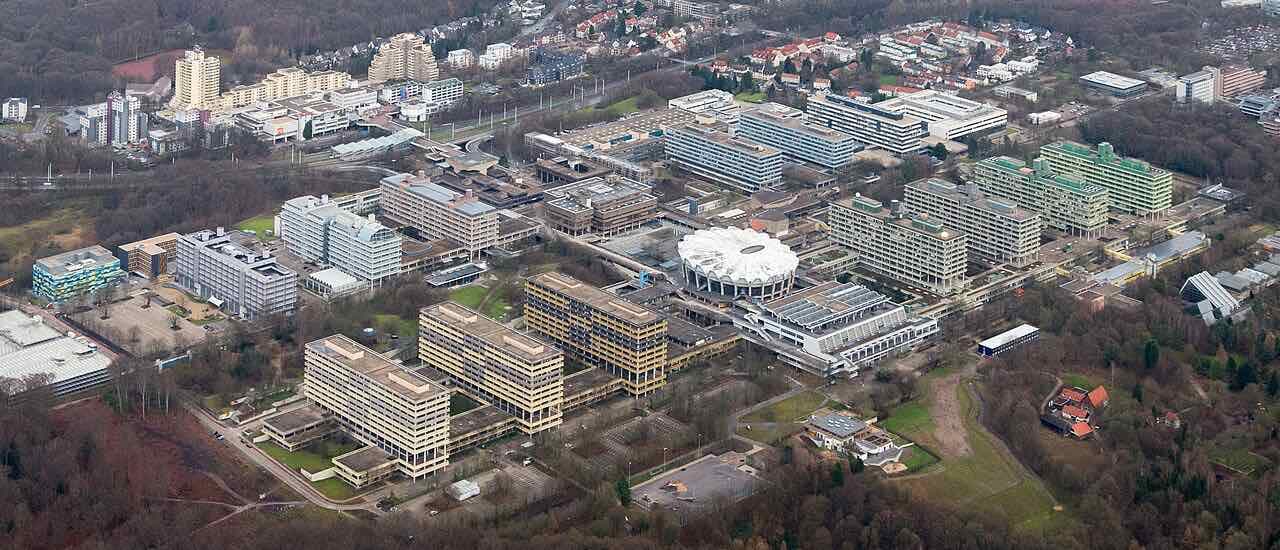
Bochum has about 359,000 people and one institution that shapes everything: Ruhr University, opened in 1965 as the first new public university in Germany after the war, with almost all of it on one campus south of the centre. The last coal mines closed between 1960 and 1980, and the university arrived in the same years. Today Bochum has a university of applied sciences, an engineering school that began as a mining school in 1816, a Protestant university and more. It is also home to the CASA IT-security cluster of excellence, a Max Planck institute for security and privacy and the Deutsches Bergbau-Museum. Your tram, your semester ticket, your canteen and your nights out are all within a short ride of the campus.
- Ruhr University Bochum
- 37,653 enrolled students; 21 faculties on one campus
- Hochschule Bochum
- almost 10,000 students on a Central Campus, a Health Campus and a campus in Velbert/Heiligenhaus
- Semester contribution (RUB, winter 2026/27)
- 380 EUR, including the Deutschland-Semesterticket (226.80 EUR), AKAFÖ (130 EUR) and AStA (23.20 EUR)
- Blocked account for a student visa
- 11,904 EUR per year, at most 992 EUR withdrawn per month
- Nearest airports
- Dortmund, Essen/Mülheim and Düsseldorf
Part 1
Living in Bochum
A mining town that turned into a student town
Bochum is first mentioned in 1041 and got its town charter in 1321, but it stayed small until coal and steel arrived. Between 1850 and 1904 the population went from about 4,500 to 100,000. Bombing in the Second World War destroyed about 83% of the built-up area, which is why the centre looks post-war rather than medieval. The mines closed between 1960 and 1980.
What came next is the thing to understand about Bochum. In the 1960s the state put a university here, and the campus became the city's main employer of young people and ideas. Later jobs went too: Nokia closed its Bochum plant in 2008, with about 20,000 people protesting, and Opel's car factory closed on a site now rebuilt as a technology quarter. The city did not have a single big industry to fall back on, so it leaned on research, health, IT security and housing companies instead.
For a student this means Bochum is built around you more than most German cities its size. The university, the tram that stops at it, the AStA and the canteens are the centre of gravity, and the pubs of the Bermuda3Eck are a ten-minute ride from campus.
What to see and do
Most of these are reachable by local transport, and several cost nothing.
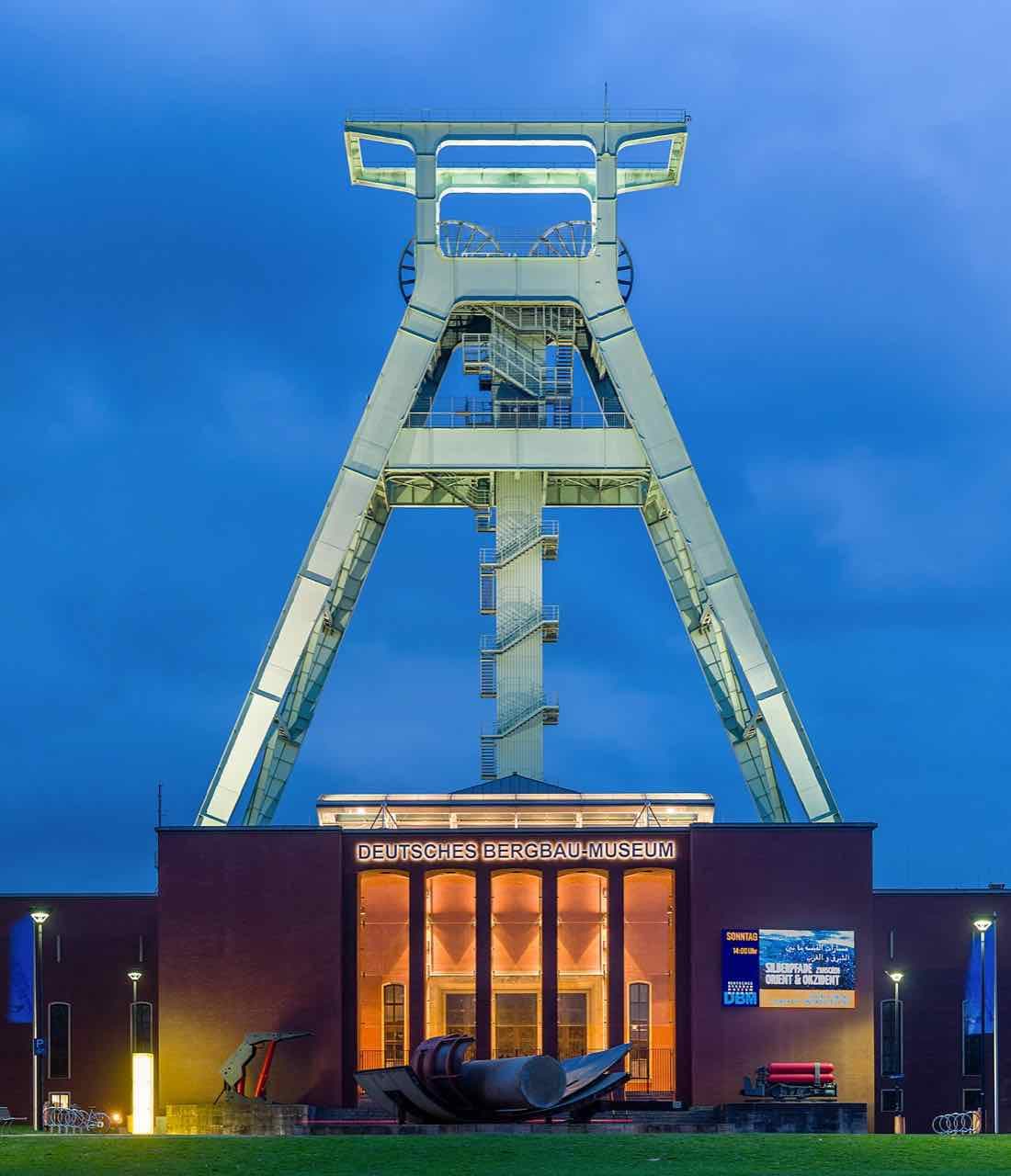
A research museum for mining, founded in 1930. It has a visitor's mine in the permanent exhibition and you can go up the headframe on a tower tour.
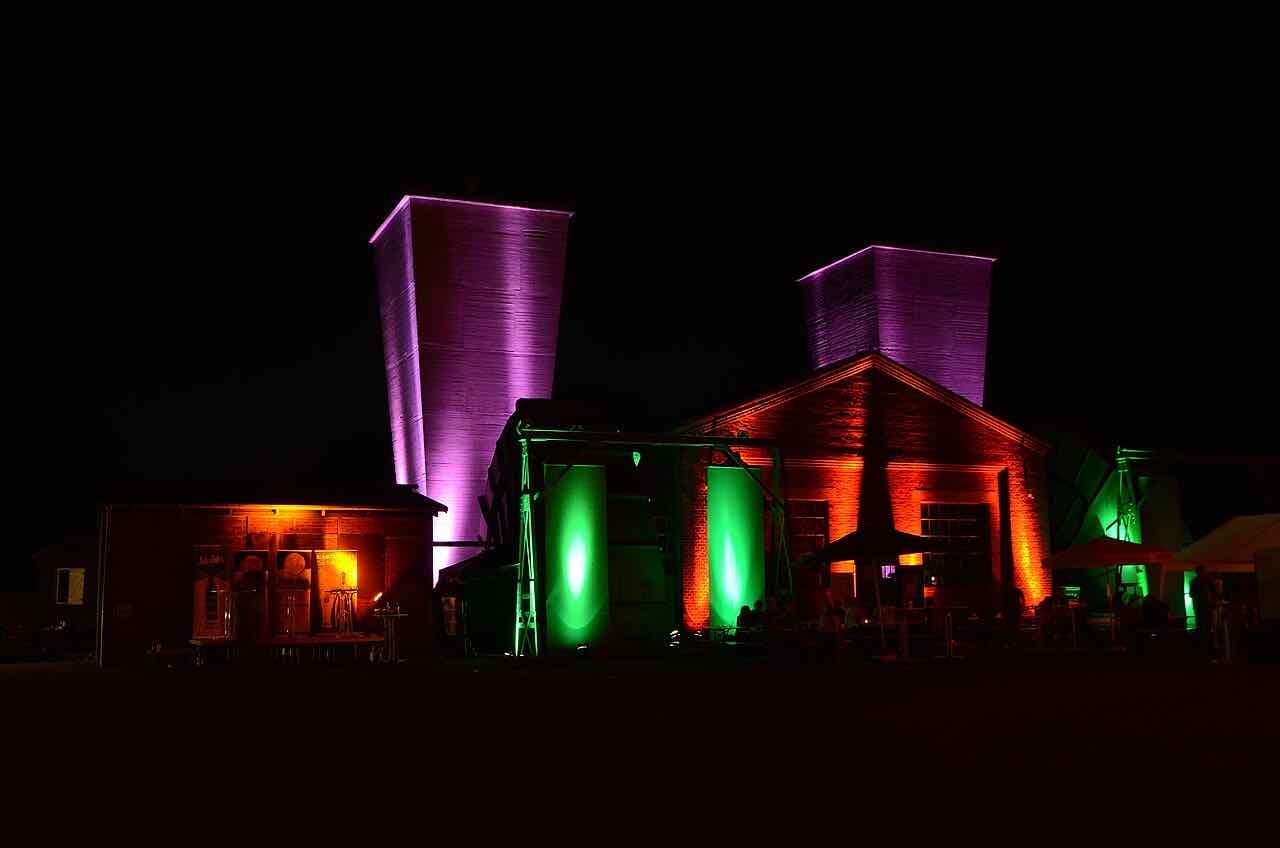
A former coal mine (1857 to 1973) at Günnigfelder Straße 251 that looks like a medieval castle. It is now an LWL industrial museum, with a steam winding engine from 1893 in the machine hall. The site lists free admission; check the opening times for the season.
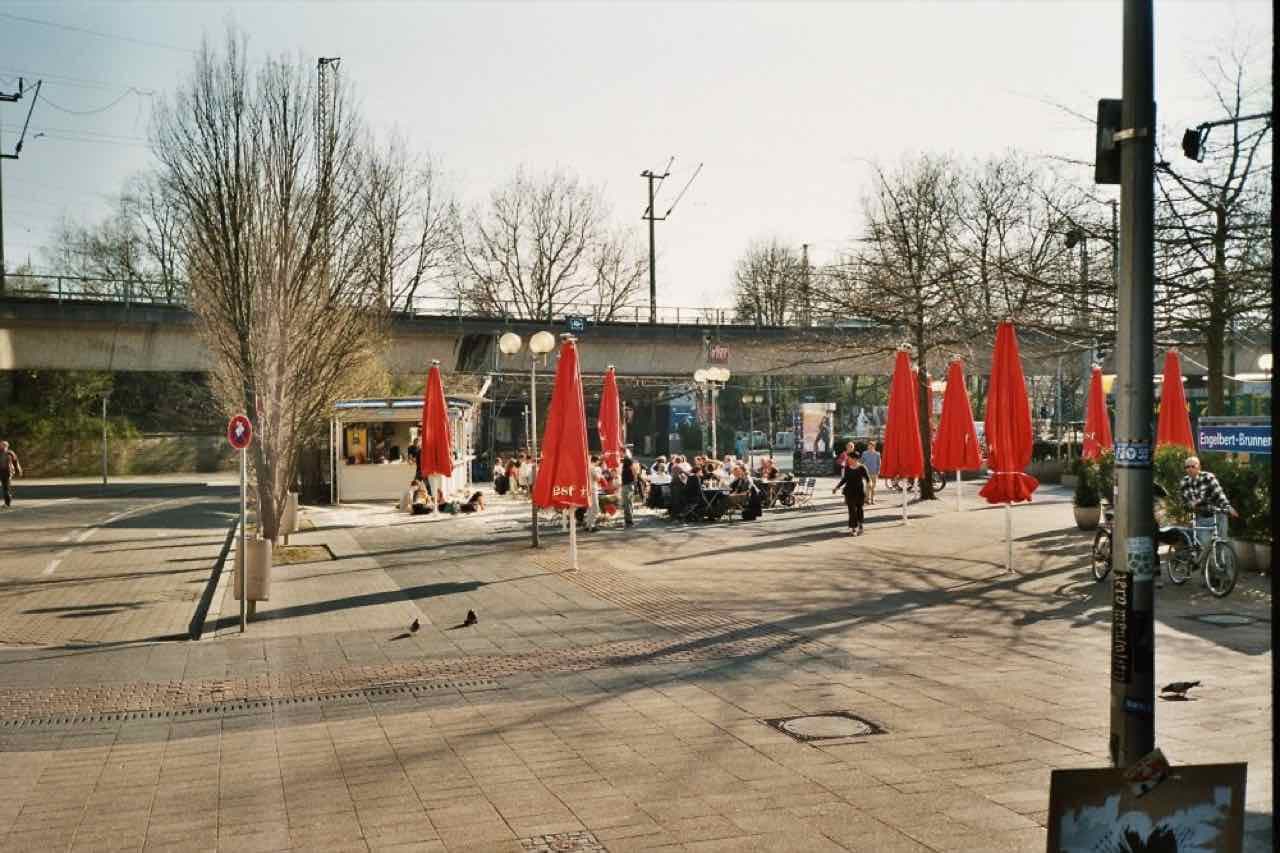
The best-known pub district in the Ruhr, with over 80 venues: pubs, beer gardens, restaurants, cinemas and clubs, next to the shopping streets. The outdoor season opens with a street party on 30 April.
At Castroper Straße 67, with a central star projector and eleven video projectors. Shows range from astronomy to music and readings.
A musical performed on roller skates on a 250-metre track through the audience, in a theatre built for it at Stadionring 24. The tourist office reports more than 18 million visitors.
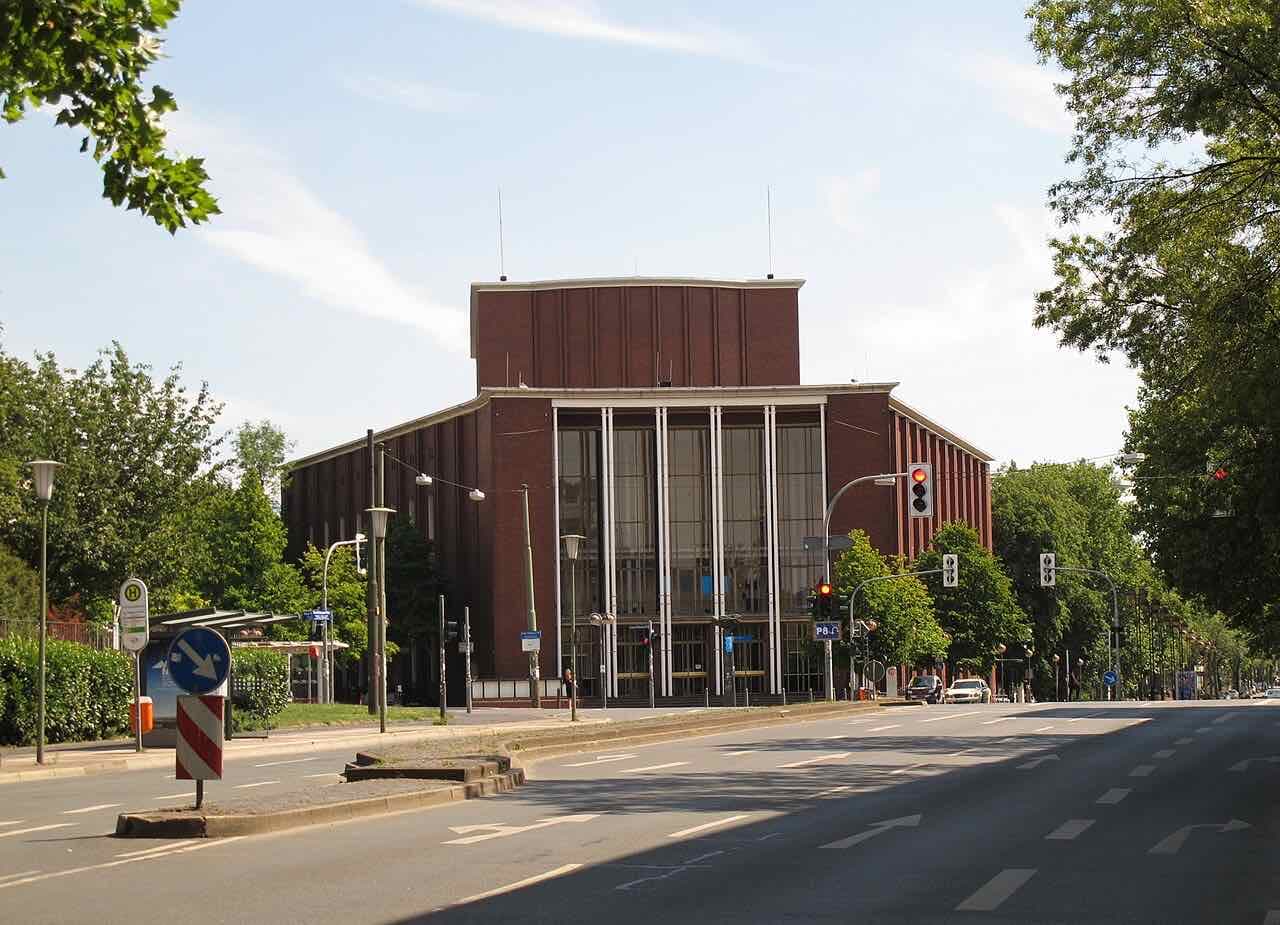
The city theatre. It sells selected productions at 10 EUR or 6 EUR on set days, and has a Soli-Ticket option. Box office at Königsallee 15.
Botanical Garden of Ruhr University ↗
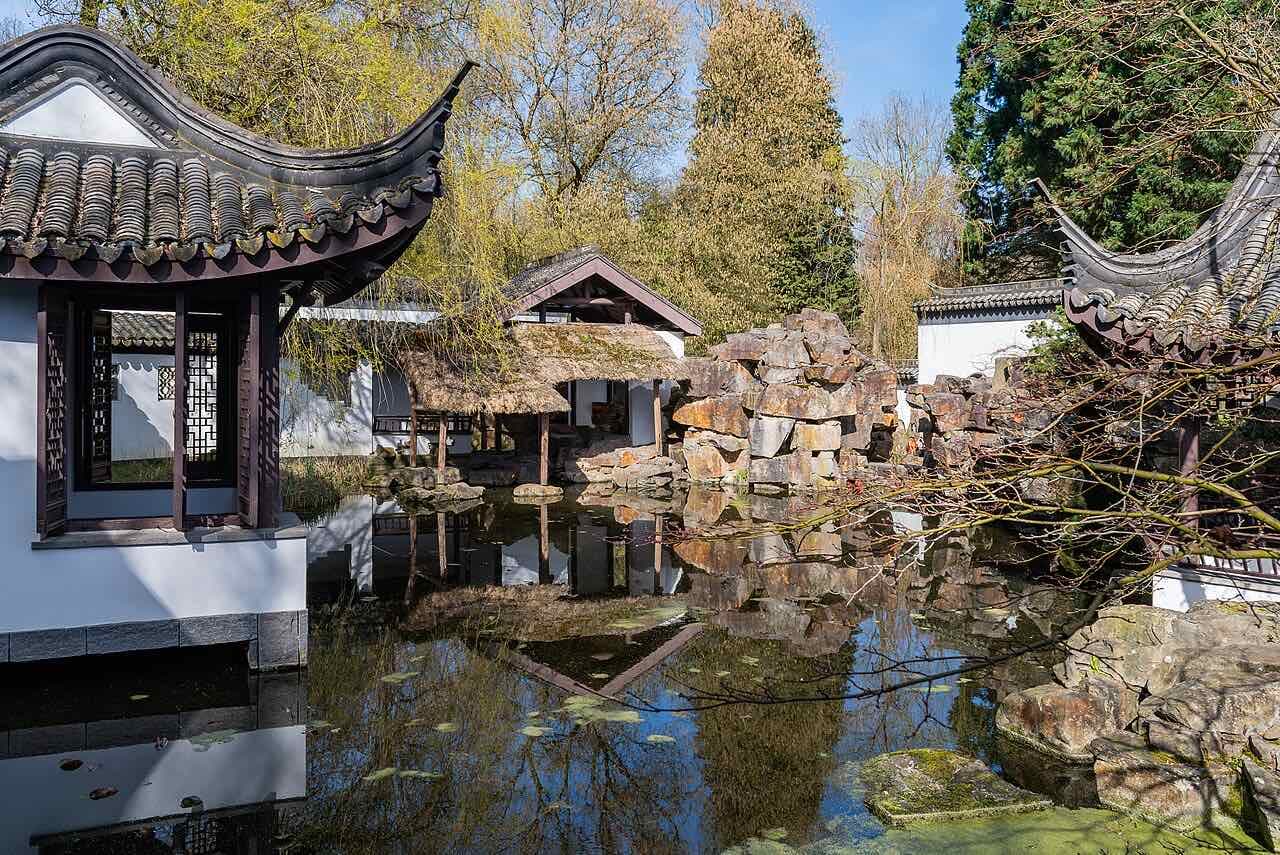
On the edge of the campus, open seven days a week with free admission, including a Chinese garden. Outdoor areas close at 18:00 in the summer term and 15:30 in the winter term.
Industry, night and green
Weekends: a lake, parks and hills
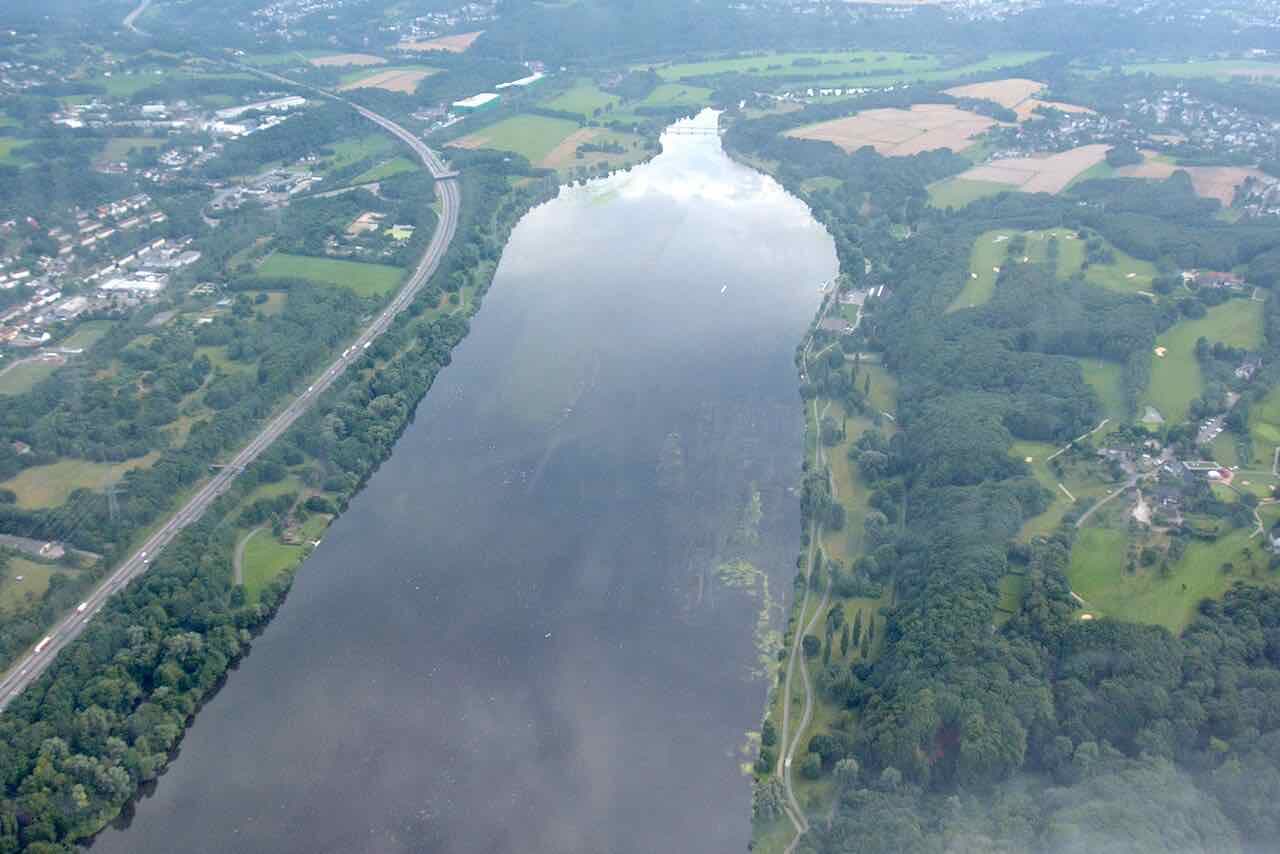
The Kemnader See is the youngest of the six Ruhr reservoirs, finished in 1979 and opened to the public in September 1980. It lies next to the university, so students go there between lectures. A small loop of 8.3 km and a large loop of 10 km go round it, and you can rent pedal boats, rowing boats, canoes and kayaks or learn windsurfing and stand-up paddling. A lit inline-skating route runs along the shore until 23:00. The Springorumtrasse cycle path leads from the lake into central Bochum.
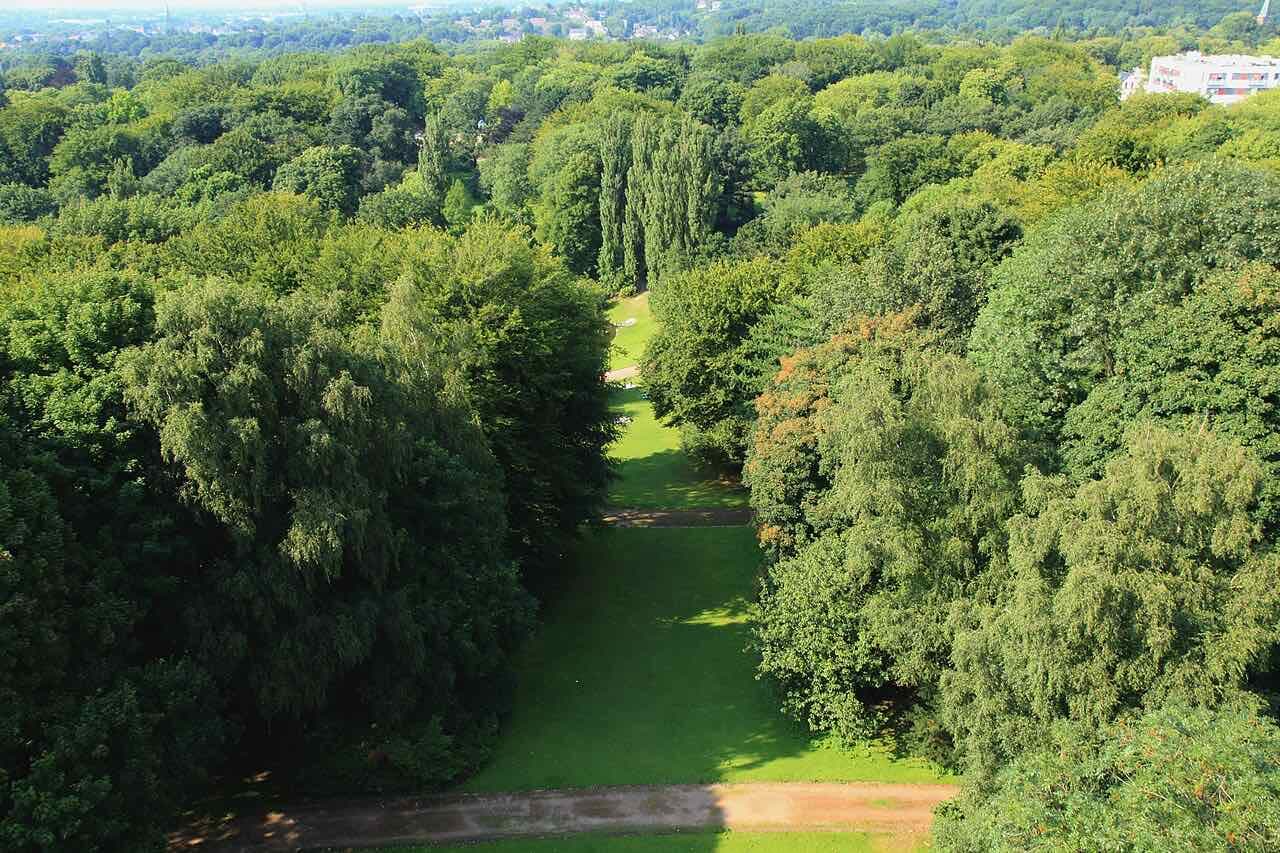
Closer to the centre the tourist office lists the Stadtpark with its Bismarckturm, the Westpark, the Tierpark, the Kortum-Park and the Tippelsberg hill as the green spots. The city is 13 km north to south and 17 km east to west, and its highest point is 196 m, so the hills are gentle rather than steep.
Getting around
BOGESTRA runs the buses, trams and a short underground line, and fares follow the regional VRR system. The U35 CampusLinie trains stop at Ruhr-Universität again from 12 October 2026. Your Deutschland-Semesterticket is valid on regional transport across Germany (buses, trams, S-Bahn and regional trains, not ICE or IC), from 1 October to 31 March in the winter semester. You show it in the RIDE Campus app or your phone wallet together with a photo ID, not as a printout.
Bochum Hauptbahnhof is on the Duisburg to Dortmund line, with long-distance trains and the Rhine-Ruhr S-Bahn. The A 40, A 43 and A 448 motorways cross the city. The nearest airports are Dortmund, Essen/Mülheim and Düsseldorf.
What it costs, with sources
- Semester contribution at RUB, winter 2026/27
- 380 EUR, of which 226.80 EUR is the Deutschland-Semesterticketsource
- Semester fee at THGA
- 256.80 EUR, with no tuition fees for Bachelor programmes and no numerus clausussource
- AKAFÖ hall Auf der Papenburg: room in a shared flat
- 305 to 328 EUR a month, generally including utilities and internetsource
- Same hall: single apartment, 20 to 30 m2
- 350 to 375 EUR a monthsource
- Same hall: furnished 2-room apartment
- 535 to 570 EUR a monthsource
- Blocked account for a student visa
- 11,904 EUR a year, 992 EUR a monthsource
- Theatre at Schauspielhaus Bochum
- 10 EUR or 6 EUR on set days for selected productionssource
- Botanical Garden of RUB
- free admissionsource
Prices change every semester; use the linked page for the current figure.
Where the jobs and research are
Bochum's economy is a mix of research, finance, housing and IT. These are real employers and institutes in town, not a promise of a job.
The housing company has its headquarters in Bochum and about 12,700 employees (2025).
The innovation quarter on the former Opel site, almost 70 hectares, with tech companies, start-ups, a Volkswagen infotainment development centre, an RUB research building and a start-up makerspace.
Led by Ruhr University, researching how to secure digital systems from hardware to society; its key partner is the Max Planck Institute for Security and Privacy.
Max Planck Institute for Security and Privacy ↗
Founded in May 2019 in Bochum, working in English, with a PhD programme. Its mission is to design, build and analyse security and privacy technology.
Wikipedia names G Data CyberDefense (IT security), GLS Bank, the GEA Group (founded in Bochum), Meteomedia and the Moritz Fiege brewery among Bochum's companies.
Honest cautions
The centre is not pretty in the postcard sense, because most of it was rebuilt after the war. The campus is the same: nearly all of its buildings are 1960s concrete, and fourteen of them are almost identical, so expect to get lost in the first week.
Language matters here. Ruhr University says that sufficient German is almost always required to study there, and Hochschule Bochum lists five degree programmes taught partly or fully in English. THGA's page does not name an English-taught degree, so ask its International Office about the programme you want.
It rains: about 814 mm a year, with cool winters. Summer can still pass 30 degrees on several days.
Part 2
Student life in Bochum
Where you can study
Ruhr-Universität Bochum (RUB) ↗
Opened in 1965 as the first new public university in Germany after the war. 37,653 students on one campus south of the centre, with 21 faculties from theology and law to engineering, medicine and computer science. It is known for IT security (the Horst Görtz Institute and the CASA cluster of excellence) and has a botanical garden, the Hegel-Archiv and a Musisches Zentrum on campus. Sufficient German is almost always required for degree programmes; the International Office advises prospective students and the RUBiss service helps degree and exchange students with social, cultural, administrative and legal questions.
International office ↗Hochschule Bochum (Bochum University of Applied Sciences) ↗
Almost 10,000 students on three campuses: the Central Campus and the Health Campus in Bochum, and Velbert/Heiligenhaus. Eight departments, including architecture, business, civil and environmental engineering, electrical engineering and computer science, geodesy, mechatronics and mechanical engineering, health sciences, and nursing, midwifery and therapy sciences. The former Hochschule für Gesundheit is now the Health Campus at Gesundheitscampus 6-8, with programmes such as physiotherapy, occupational therapy, midwifery, nursing and health psychology. Five degree programmes can be studied partly or fully in English: Geothermal Energy Systems (M.Sc.), Mechatronics (M.Sc.), Mechanical Engineering International (M.Sc.), International Business and Management (B.A., German and English) and International Management (M.Sc., German and English).
International office ↗Technische Hochschule Georg Agricola (THGA) ↗
A state-accredited private engineering university in Bochum, founded in 1816 as the Märkische Bergschule, a mining school. About 2,500 students in the 2017/18 winter semester, around 55% in part-time degrees. Bachelor programmes include applied materials science, electrical engineering, geotechnics and applied geology, mechanical engineering, process and environmental engineering and surveying; Master programmes include Georesource Engineering and Material Engineering and Conservation Science. Its International Office has a degree-student contact and a German preparation project.
International office ↗Evangelische Hochschule Rheinland-Westfalen-Lippe (EvH Bochum) ↗
A Protestant university of applied sciences. About 550 first-semester students started in winter 2026/27. Bachelor programmes include social work, inclusive education, early childhood education, nursing science and nursing education; Masters include Advanced Nursing Practice (M.Sc.) and Social Inclusion: Health and Education (M.A.). It lists English-language seminars, an International Study Programme and Blended Intensive Programmes, but no full degree taught in English.
International office ↗A university of applied sciences for real estate and housing at Springorumallee 20, which calls itself the largest of its kind in Germany. Degrees include B.A. Real Estate, B.A. International Real Estate, M.A. Real Estate Management and an MBA in real estate. Full-time, part-time, dual and distance formats. 209 students started in winter 2026/27.
Folkwang University of the Arts (acting in Bochum) ↗
Folkwang's main site is Essen-Werden, and its acting programme is taught at the Folkwang Theaterzentrum in Bochum, where the graduating acting class shows public work each autumn. About 310 new students started across music, dance, theatre, design and academic programmes in winter 2026/27.
Student unions, services and groups
AStA of Ruhr-Universität Bochum ↗
The student representation at RUB. It negotiates the Deutschland-Semesterticket and offers BAföG counselling, legal advice and social counselling, an emergency fund for international students, a bike workshop, a Repair Café, the KulturCafé, a theatre flat-rate for the Schauspielhaus and a gaming hub.
AAR, the autonomous foreign students' office ↗
Run by students at RUB's AStA: legal, social and life counselling, plus cultural and political events and German courses from beginner to intermediate level. Room 083 in the StudentInnenhaus, Universitätsstraße 150; aar@rub.de.
The Akademisches Förderungswerk, the student services body of Bochum. It runs the student halls of residence and publishes the Mensa menu for Hochschule Bochum; RUB's social contribution pays for it.
University sport at RUB: over 90 sports and about 470 courses, seven days a week, a taster week at the start of term and the 1,100 m2 Unifit gym. Courses are booked online.
The Bochum section of the Erasmus Student Network, which works with RUB's International Office to welcome exchange students; its site has the current events.
The student representation of Georg Agricola university: study counselling, excursions, talks and parties, cheap printing and office supplies. Office at Herner Straße 45, buero@asta.thga.de.
RUBiss, international student service ↗
Part of RUB's International Office; supports degree and exchange students with social, cultural, university, administrative and legal matters and organises events every semester.
Campus life and study culture
RUB is a campus university: nearly all buildings stand together south of the centre, planned in the 1960s as a harbour of knowledge, and the botanical garden, the Audimax with its organ and the arts centre are part of the same site. The Kemnader See is on the same side of the city, so students go there between lectures.
The AStA is the place to start for anything that is not teaching. It offers BAföG, legal and social counselling, an emergency fund for international students, a repair café and a bike workshop. Hochschule Bochum's Mensa menu is published by AKAFÖ, the same body that runs the student halls.
At Hochschule Bochum, the International Office advises applicants in person on Monday, Tuesday and Thursday, 09:30 to 12:30 (study@hs-bochum.de), has a separate contact for international degree students (welcome@hs-bochum.de), and announces a buddy programme on its page.
Housing: AKAFÖ halls and what they cost
AKAFÖ runs several student halls in Bochum. Use the housing page to apply, and read the rent per hall before you choose.
The student services body's page for its halls of residence in Bochum.
Auf der Papenburg 9-15 and 17-21 ↗
196 places in the 44801 Bochum area: rooms in 2-, 3-, 4-, 5- and 7-person flat shares at 305 to 328 EUR, single apartments at 350 to 375 EUR and 2-room apartments at 535 to 570 EUR. Rent is generally all-inclusive. The listing is on the DAAD accommodation finder.
Nights out and culture
The Bermuda3Eck is the answer to most evening questions: over 80 pubs, beer gardens, restaurants, cinemas and clubs in one district at Kortumstraße. Bochum Total, a large inner-city open-air festival, has been held around it every summer since 1986.
The Schauspielhaus sells selected productions at 10 EUR or 6 EUR on set days, and RUB's AStA offers a theatre flat-rate. The Planetarium runs shows beyond astronomy, including music and readings. For something very Bochum, Starlight Express plays in its own purpose-built hall.
Your first weeks, in order
- 1
Before you arrive
Arrange the blocked account (11,904 EUR for a year) and get a room offer. Contact your International Office; RUB's Admission Office takes questions on recognition of certificates at admission@ruhr-uni-bochum.de.
- 2
Week 1
Register your address at the Bürgerbüro Mitte in the Rathaus, Willy-Brandt-Platz 2-6. Visits are by appointment only, booked online or on 115.
- 3
Week 1
Enrol and pay the semester contribution (380 EUR at RUB for winter 2026/27). That payment is what gives you the Deutschland-Semesterticket; set it up in the RIDE Campus app or your phone wallet.
- 4
Weeks 1 to 4
Book your residence permit at the Ausländerbüro of the city of Bochum, which handles stay, entry, work, study and integration. RUB's checklist asks for the application form, passport, biometric photo, enrolment certificate, proof of funds and health-insurance proof (the insurance card is not enough). From the 5th subject semester it also asks for a statement from the university.
- 5
Weeks 1 to 4
Go to your international student service and to the AAR, which offers German courses from beginner to intermediate level. Join the Hochschulsport taster week.
- 6
Whenever you start work
Non-EU students may work up to 140 full or 280 half days a year if the permit was issued after 1 March 2024 (120 and 240 before). Student assistant jobs at the university and compulsory internships do not count toward the limit; other internships do. Self-employment needs the Ausländerbüro's permission.
Where you come from matters here
Pick your home country: food, faith, community groups and the consulate that serves you, checked 21 October 2026.
🇮🇳 Living in Bochum as an Indian student
Bochum has Indian restaurants in town and a large Tamil Hindu temple in Hamm. Your consular matters go to the consulate general in Frankfurt.
Sri Kamadchi Ampal Temple, Hamm ↗
A Tamil Hindu temple at Siegenbeckstraße 4, 59071 Hamm, founded by Tamils from Sri Lanka and described by the city of Hamm as the biggest temple in continental Europe. Daily services at 8:00, 12:00 and 18:00 in the 2017 city flyer; visitors take off their shoes, and guided visits are by appointment.
Consulate General of India, Frankfurt ↗
Responsible for Hesse, North Rhine-Westphalia, Rhineland-Palatinate and Saarland according to the state's official list. Passport, visa and OCI services.
Indian restaurants in Bochum ↗
The speisekarte.de directory lists 16 Indian restaurants in Bochum, among them imlee, Taj Mahal and Nandy's in the city centre.
🇳🇬 Living in Bochum as a Nigerian student
For consular matters Nigerians in NRW go to the consulate general in Frankfurt or the embassy in Berlin. In Bochum, an English-speaking church and the AAR are the first contacts.
Neue Jakobstraße 4, Berlin. Passport appointments are booked through the Nigeria Immigration Service website; the embassy says appointments are free and passport collection is on Fridays.
ECC Bochum, English-speaking Christian Congregation ↗
A congregation in Bochum that worships in English.
The foreign students' office, which offers counselling and German courses for international students.
🇻🇳 Living in Bochum as a Vietnamese student
The Consulate General of Vietnam for NRW is in Frankfurt. In Bochum there is an Asian supermarket in the city centre.
Consulate General of Vietnam, Frankfurt ↗
Kennedyallee 49, Frankfurt; consular visits Monday, Wednesday and Thursday 9:00 to 12:00 and 14:00 to 17:00, and NRW is in its district per the state's official list.
Kortumstraße 72, 44787 Bochum, an Asian supermarket in the city centre.
Counselling and German courses for international students at RUB.
🇧🇩 Living in Bochum as a Bangladeshi student
The Embassy of Bangladesh is in Berlin. No Bangladeshi student group is listed here, so start with the AAR and the mosque and prayer room.
Embassy of Bangladesh, Berlin ↗
Kaiserin-Augusta-Allee 111, 10553 Berlin; listed by the German Foreign Office with the website bangladeshembassy.de.
The foreign students' office at RUB: counselling, events and German courses.
Mosque and prayer room in Bochum ↗
The Islamische Gemeinde Bochum at Dibergstraße 35-37 and a prayer room at the university on Universitätsstraße 150.
🇳🇵 Living in Bochum as a Nepali student
The Embassy of Nepal is in Berlin. No Nepali community group is listed here, so use the AAR and ESN for your first contacts.
Guerickestraße 27, 10587 Berlin. Services include passport, visa, travel document, power of attorney and attestation of documents.
The foreign students' office: counselling, events and German courses.
The Erasmus Student Network section; events for international students.
🇵🇰 Living in Bochum as a Pakistani student
Pakistani citizens in NRW fall under the consulate general in Frankfurt, and Pakistan has an honorary consul in Düsseldorf. In Bochum there is a mosque and a prayer room at the university.
Consulate General of Pakistan, Frankfurt ↗
Passport and NADRA services (NICOP/POC), attestation, power of attorney and emergency travel documents. The honorary consul in Düsseldorf can be reached at office@pakistan-nrw.de.
Mosque and prayer room in Bochum ↗
A directory lists the Islamische Gemeinde Bochum at Dibergstraße 35-37 and a prayer room at Ruhr University, Universitätsstraße 150.
Counselling and German courses for international students.
🇬🇭 Living in Bochum as a Ghanaian student
Ghana's embassy is in Berlin. In Bochum an English-speaking church and the AAR are the first contacts.
Passports, document legalisation and other consular matters for Ghanaians in Germany go through the embassy in Berlin.
ECC Bochum, English-speaking Christian Congregation ↗
A congregation in Bochum that worships in English.
Counselling and German courses for international students.
🇨🇲 Living in Bochum as a Cameroonian student
Cameroon's embassy is in Berlin. The first contacts in Bochum are the English-speaking congregation and the foreign students' office.
Ulmenallee 32, 14050 Berlin. Passport with a pre-enrolment portal, consular card, power of attorney and birth-certificate transcription.
ECC Bochum, English-speaking Christian Congregation ↗
A congregation in Bochum that worships in English.
Counselling and German courses for international students.
🇺🇸 Living in Bochum as an American student
NRW has one US Consulate General, in Düsseldorf. English-language church life in Bochum is covered by one congregation, and ESN helps with the social side.
US Consulate General, Düsseldorf ↗
Willi-Becker-Allee 10, Düsseldorf; its district is the state of North Rhine-Westphalia, per the state's official list of consulates.
ECC Bochum, English-speaking Christian Congregation ↗
An English-language congregation in Bochum, profiled by evangelisch.de.
The Erasmus Student Network section, which works with RUB's International Office and runs events for international students.
🇨🇳 Living in Bochum as a Chinese student
The Chinese Consulate General for all of NRW is in Düsseldorf, and RUB has a Chinese garden on campus.
Chinese Consulate General, Düsseldorf ↗
Schanzenstraße 131, Düsseldorf; its district is North Rhine-Westphalia. Passports and travel documents can be handled online through the China Consular app, and the site carries a notice about a dedicated email for education matters.
Chinese garden, Botanical Garden of RUB ↗
A walled garden in southern Chinese style inside the botanical garden. Admission is free, and the garden is open seven days a week.
A branch of the Asian supermarket chain at Kortumstraße 72, 44787 Bochum.
English-taught programmes in Bochum
Soonest open deadline first. Every entry links to its official source.
- Computer Science MScRuhr-Universität Bochum · BochummasterNo tuition15 Dec 2026Closing soon
- English and American StudiesRuhr-Universität Bochum · BochummasterNo tuition15 Jan 2027Open
- Geothermal Energy SystemsBochum University of Applied Sciences · BochummasterNo tuition15 Jan 2027Open
- Lasers and Photonics (Master of Science)Ruhr-Universität Bochum · BochummasterNo tuition15 Jan 2027Open
- History & Philosophy of Science and Logic (HPS+Logic)Ruhr-Universität Bochum · BochummasterNo tuition15 Jan 2027Open
- Master of Science in ChemistryRuhr-Universität Bochum · BochummasterNo tuition15 Jan 2027Open
- Molecular Sciences – Spectroscopy and SimulationRuhr-Universität Bochum · BochummasterNo tuition15 Jun 2027Open
- Subsurface Engineering (SubSurf)Ruhr-Universität Bochum · BochummasterNo tuition15 Jul 2027Open
- Mechanical Engineering: Sustainable Energy Systems and Circular Process Engineering (MSc)Ruhr-Universität Bochum · Bochummaster15 Jul 2027Open
- Cognitive Science (MSc)Ruhr-Universität Bochum · BochummasterNo tuition15 Jul 2027Open
- Computational Engineering (CompEng)Ruhr-Universität Bochum · BochummasterNo tuition15 Jul 2027Open
- GeosciencesRuhr-Universität Bochum · BochummasterNo tuition15 Jul 2027Open
- MA European Culture and Economy (ECUE)Ruhr-Universität Bochum · BochummasterNo tuition15 Jul 2027Open
- Master in Philosophy (Focus: Theoretical Philosophy)Ruhr-Universität Bochum · Bochummaster15 Jul 2027Open
- Master of Arts Programme in Ethics – Economics, Law and PoliticsRuhr-Universität Bochum · BochummasterNo tuition15 Jul 2027Open
- Master of Science in Biochemistry (MSc Biochem)Ruhr-Universität Bochum · BochummasterNo tuition15 Jul 2027Open
- Religious StudiesRuhr-Universität Bochum · Bochummaster15 Jul 2027Open
- Global Sustainability EconomicsRuhr-Universität Bochum · BochummasterNo tuition15 Jul 2027Open
- Materials Science and SimulationRuhr-Universität Bochum · BochummasterNo tuitionSee sourceCheck source
- Joint Master's Programme in International Humanitarian Action (NOHA)Ruhr-Universität Bochum · BochummasterSee sourceCheck source
- Sport and Exercise Sciences for Health and PerformanceRuhr-Universität Bochum · BochummasterSee sourceCheck source
- Master of Arts in Development ManagementRuhr-Universität Bochum · BochummasterNo tuitionSee sourceCheck source
- Master of Science in PhysicsRuhr-Universität Bochum · BochummasterSee sourceCheck source
- Master of Science in Electrical Engineering and Information Technology — Specialisation: Biomedical EngineeringRuhr-Universität Bochum · BochummasterNo tuition01 Sept 2026Deadline passed
- Master of Science in Electrical Engineering and Information Technology — Specialisation: Communication SystemsRuhr-Universität Bochum · BochummasterNo tuition01 Sept 2026Deadline passed
- Master of Science in Electrical Engineering and Information Technology — Specialisation: Engineering PhysicsRuhr-Universität Bochum · BochummasterNo tuition01 Sept 2026Deadline passed
Is Bochum right for you? Ask us. Free.
Tell us your passport, grades and budget. We compare Bochum with the other places you could study, then apply for you. You never pay us.
Get my free plan