Studying in Brandenburg, Germany
Cottbus
A technical university in Lower Lusatia, with a theatre, a park of pyramids, the Spreewald next door and a brand-new lake where the coal mine was.
Cottbus is the second-largest city in Brandenburg, with about 95,000 people, and it sits in Lower Lusatia roughly 100 km south-east of Berlin and 90 km from Dresden. It is a city in the middle of a change: the open-cast mine at its northern edge closed in 2015 and is now Germany's largest artificial lake, and the region is building new employers around energy, rail and medicine. For a student that has a few practical meanings. The Brandenburg University of Technology (BTU) is a technical university with about 7,700 students, and the students there come from more than 120 countries. The Studierendenwerk's furnished dorm flats cost roughly 220 to 340 euros a month with everything included. A medical university opened here in 2024 and matriculated its first 38 medical students on 11 October 2026. The city itself is quiet and green, with a state theatre, a big film festival each November and the Spreewald canals a short trip away. It is not Berlin, and the point of this page is to say honestly what it is instead.
- BTU students
- about 7,700, from 126 countries
- Semester contribution (BTU, winter 2026/27)
- 391.80 EUR, including 226.80 EUR for the semester ticket
- Dorm rooms (Studierendenwerk Ost:Brandenburg)
- four halls in Cottbus, 220 to 340 EUR a month including utilities, 300 EUR deposit
- Blocked account for a student visa
- 11,904 EUR per year (992 EUR a month)
- FilmFestival Cottbus 2026
- 3 to 8 November, films from Central and Eastern Europe
- Cottbuser Ostsee
- about 1,900 hectares, fully flooded since December 2024
Part 1
Living in Cottbus
A textile town, a GDR regional capital, and a city that is changing again
Cottbus was first mentioned in 1156 and has belonged to Brandenburg or Prussia since 1445, apart from the years 1807 to 1815 when it was Saxon. The 19th century brought textile industry and growth. In February 1945 the city was bombed and in April captured by Soviet forces. From 1952 to 1990 it was the capital of the GDR district of Cottbus, and its population peaked at 128,943 in 1989. Since reunification it has shrunk to about 95,000 and shifted towards services, science and administration.
Cottbus is also the centre of Lower Lusatia, where the Sorbian (Wendish) minority lives, and street signs in the city are bilingual in German and Lower Sorbian. Few Sorbs live in the city itself, but it is the political and cultural centre of the Lower Sorbian people, and the city's website offers a Sorbian version of its pages.
The change you will notice is the coal exit. The mine called Tagebau Cottbus-Nord sent its last coal train in December 2015. Flooding it with water from the Spree began in April 2019, and the resulting lake reached its target level in October 2024. In January 2024 Deutsche Bahn opened a large maintenance works in the city, and a new main building of the Lausitz Park shopping centre opened in May 2025. A medical university is being built up at the city hospital. For a student it means a city where new institutions are being set up around you, not a finished and expensive one.
What to see and do
The centre is compact. Most of this is reachable by tram, bus or bike from the BTU Zentralcampus.
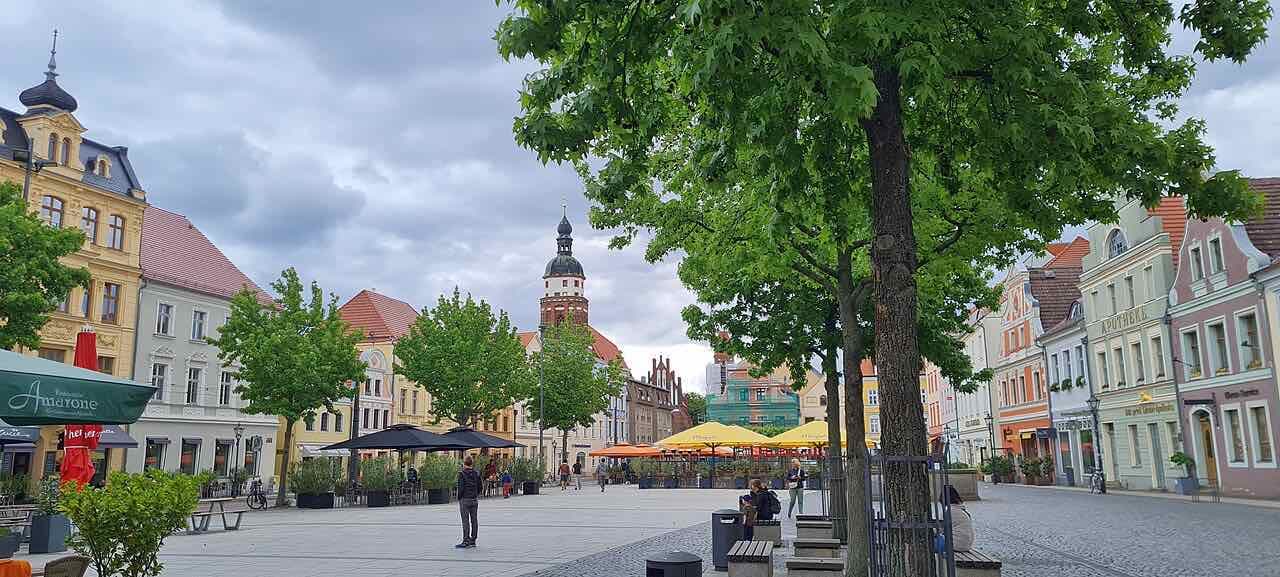
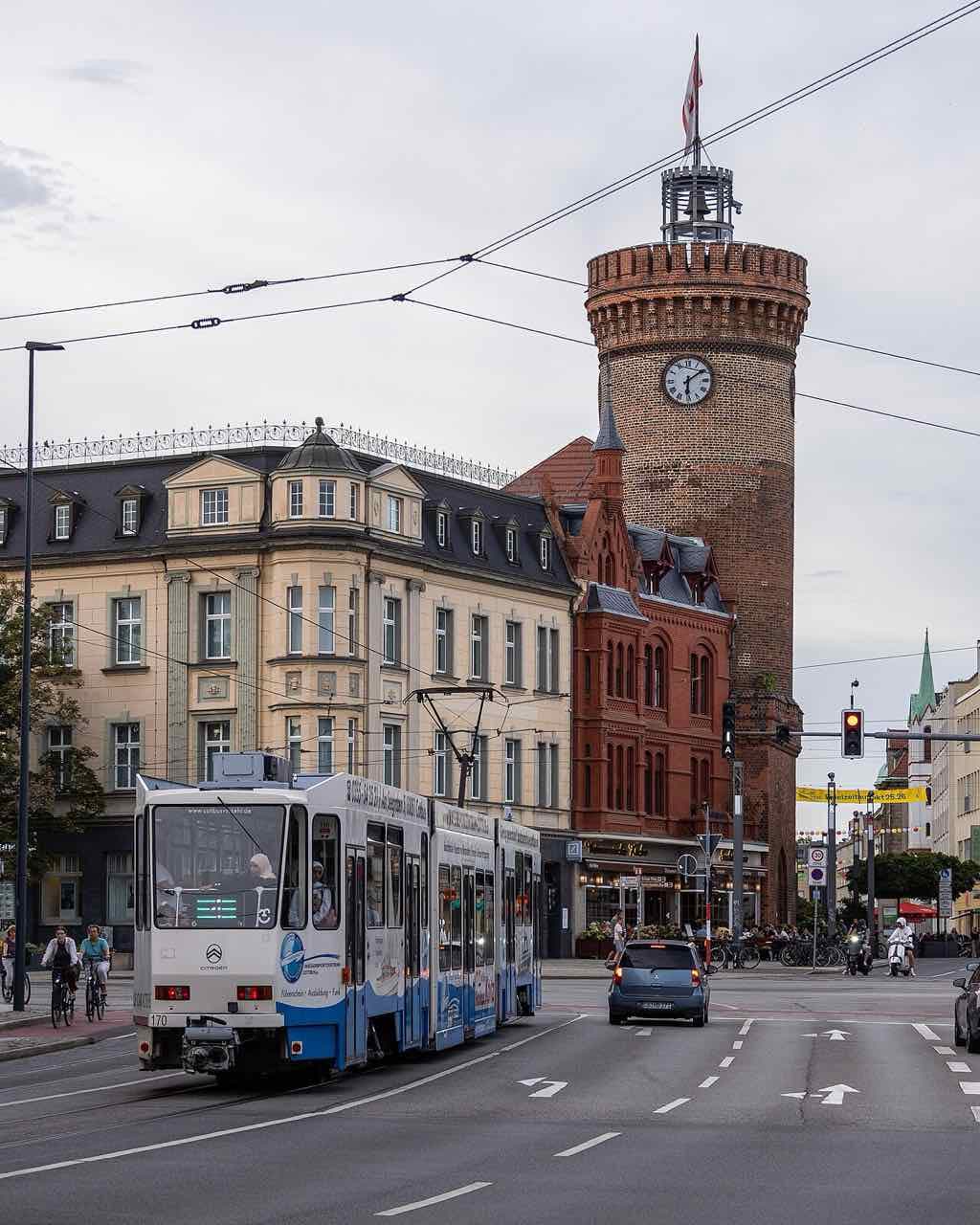
The old market square, with the late-Gothic brick Oberkirche St. Nikolai, which the city describes as the largest church in Lower Lusatia, and the Spremberger Turm, a brick landmark tower in the centre.
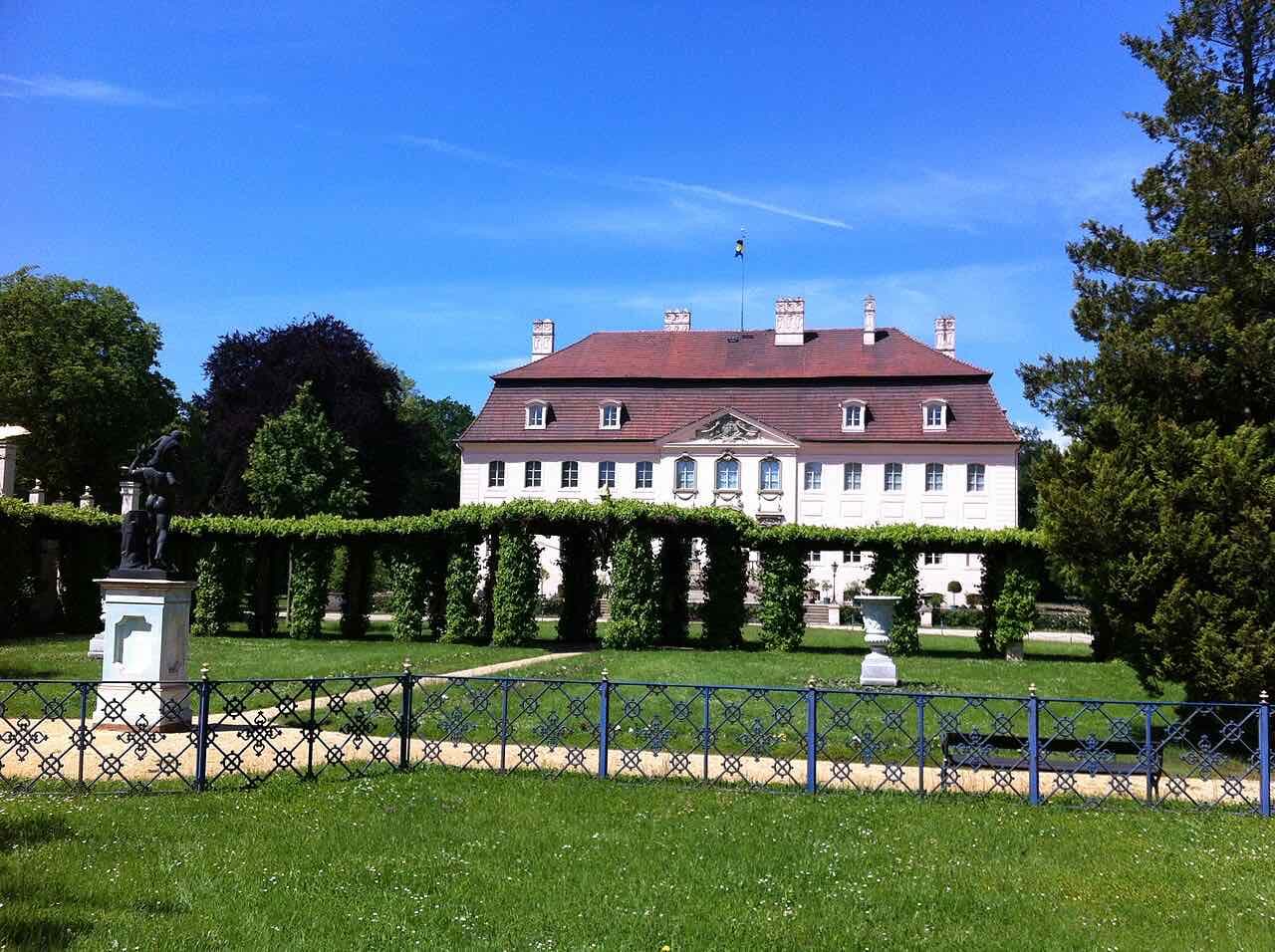
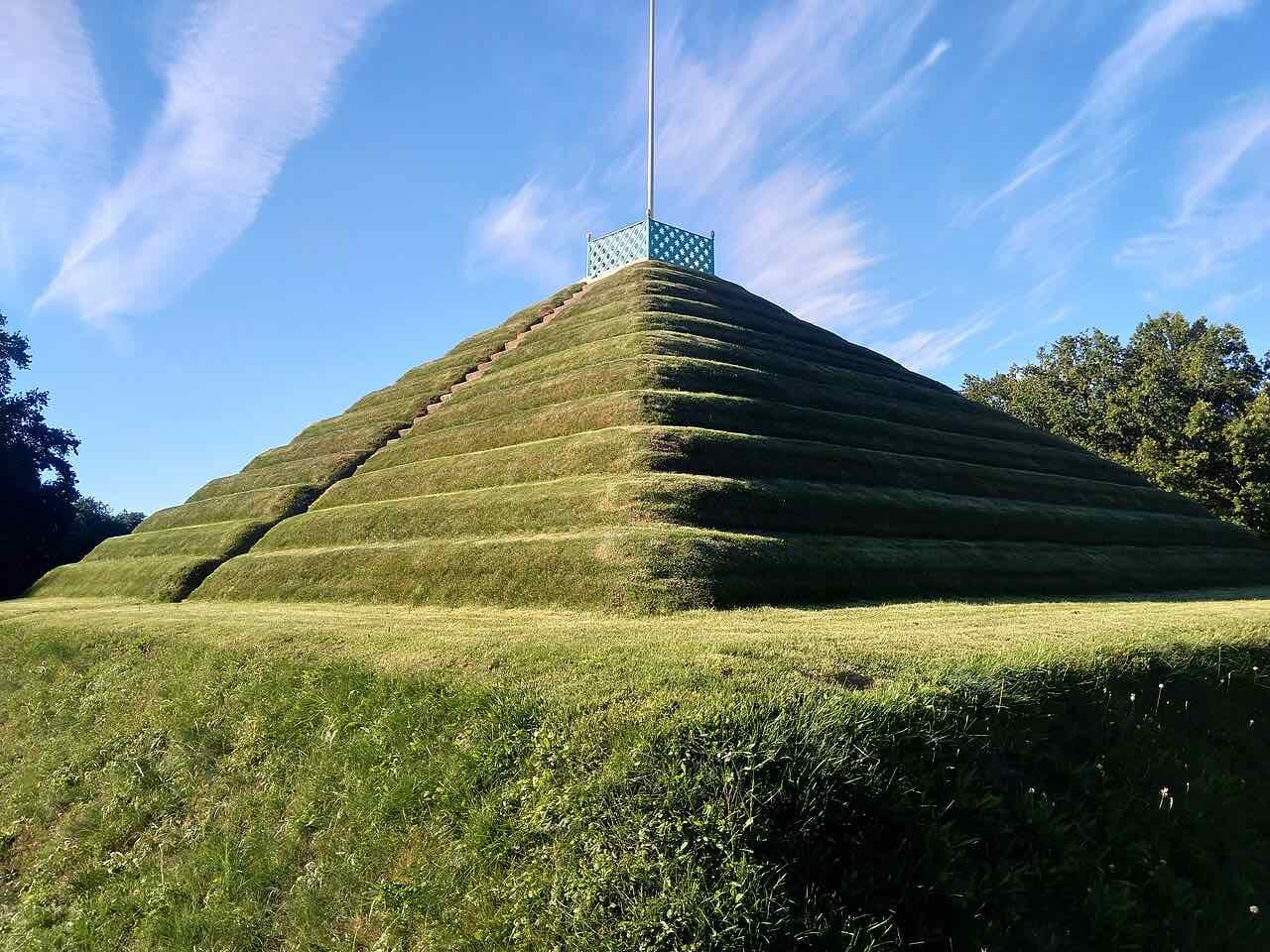
The park laid out by Fürst Hermann von Pückler is known as the 'Park der Pyramiden', with a pyramid in the lake that is the prince's burial place. The foundation runs it from Robinienweg 5, and tickets can be bought online. 2026 is the 250th anniversary of the birth of his wife, Lucie.
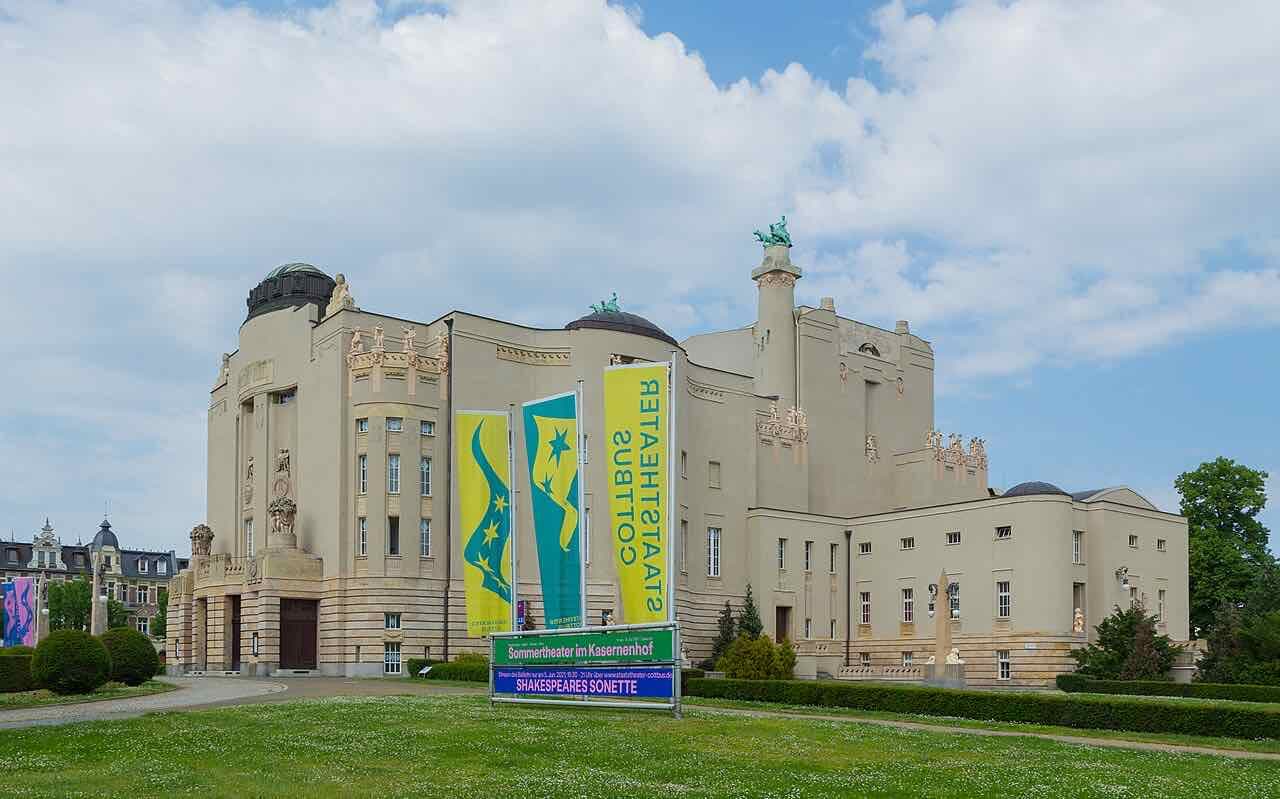
Opera and musicals, drama, ballet and concerts. The programme lists a student ticket (BTU-Studi-Ticket) and a discounts page; check there for current prices.
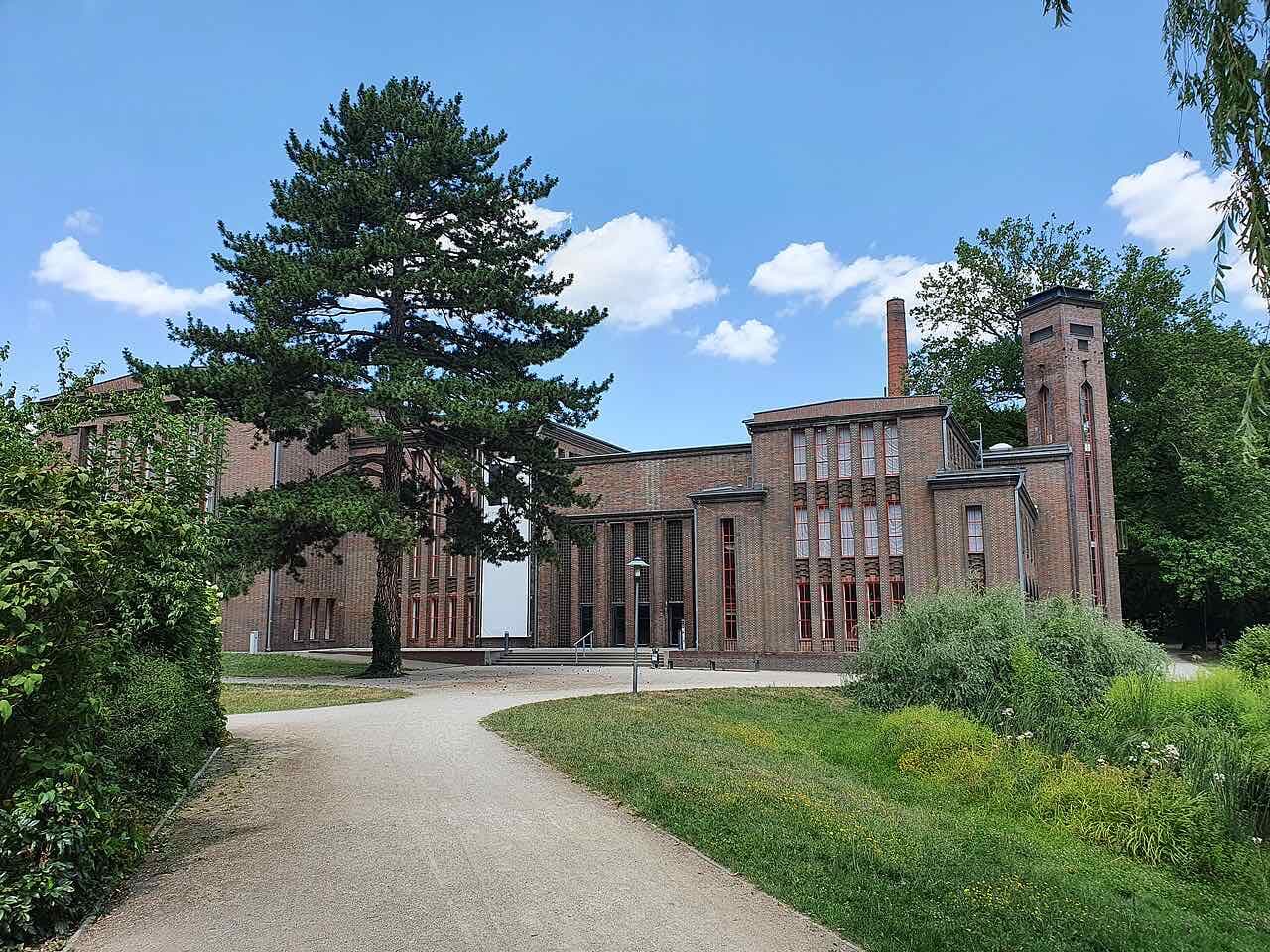
Dieselkraftwerk, Brandenburg State Museum of Modern Art ↗
A former power station at Uferstraße/Am Amtsteich 15, open Tuesday to Sunday from 11:00 to 19:00. Exhibitions this autumn include GDR photography and a poster show; the museum also runs English-language guided tours in Cottbus.
A festival of contemporary cinema from Central and Eastern Europe, with international and German premieres. The 36th edition runs from 3 to 8 November 2026.
The city's page lists the Oberkirche, the Klosterkirche (the 'Wendische Kirche'), the Lutherkirche, the Catholic Propstei church St. Maria Friedenskönigin and the synagogue, which the Jewish community received in 2015.
The city lists festivals, concerts and the German-Polish events that come from the partnership with Zielona Góra.
Palace, pyramid, theatre and power station
The lake where the mine was
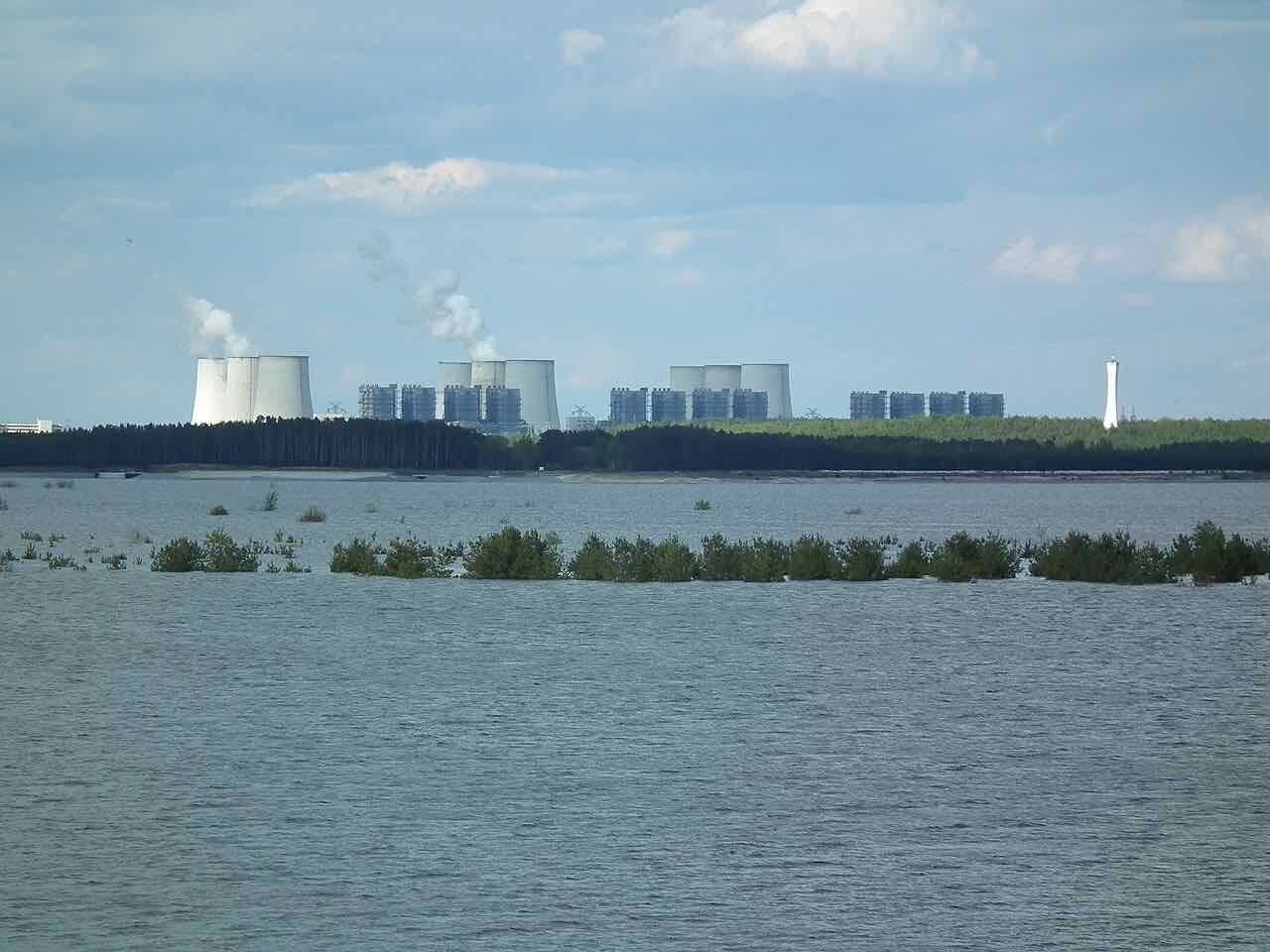
The Cottbuser Ostsee is about 1,900 hectares, planned as Germany's largest artificial lake, and it has been fully flooded since December 2024. It is still a building site around the edges. The city and the project site report that a harbour district in Cottbus is being built, a walking and cycling path along the lake (the Seeachse) started its third construction section in March 2026, and a path around the whole lake is planned for 2029. A floating solar plant on the water is described as the largest on a former mine lake in Germany.
So go and look, but do not expect a finished beach resort. The lake is a good example of what the region is: former industrial land being turned into something people can use, over many years. Check the lake's own site before you plan a swim or a sailing day, because opening rules for bathing and boats are not fixed in one place.
Weekends: the Spreewald, Berlin and Dresden
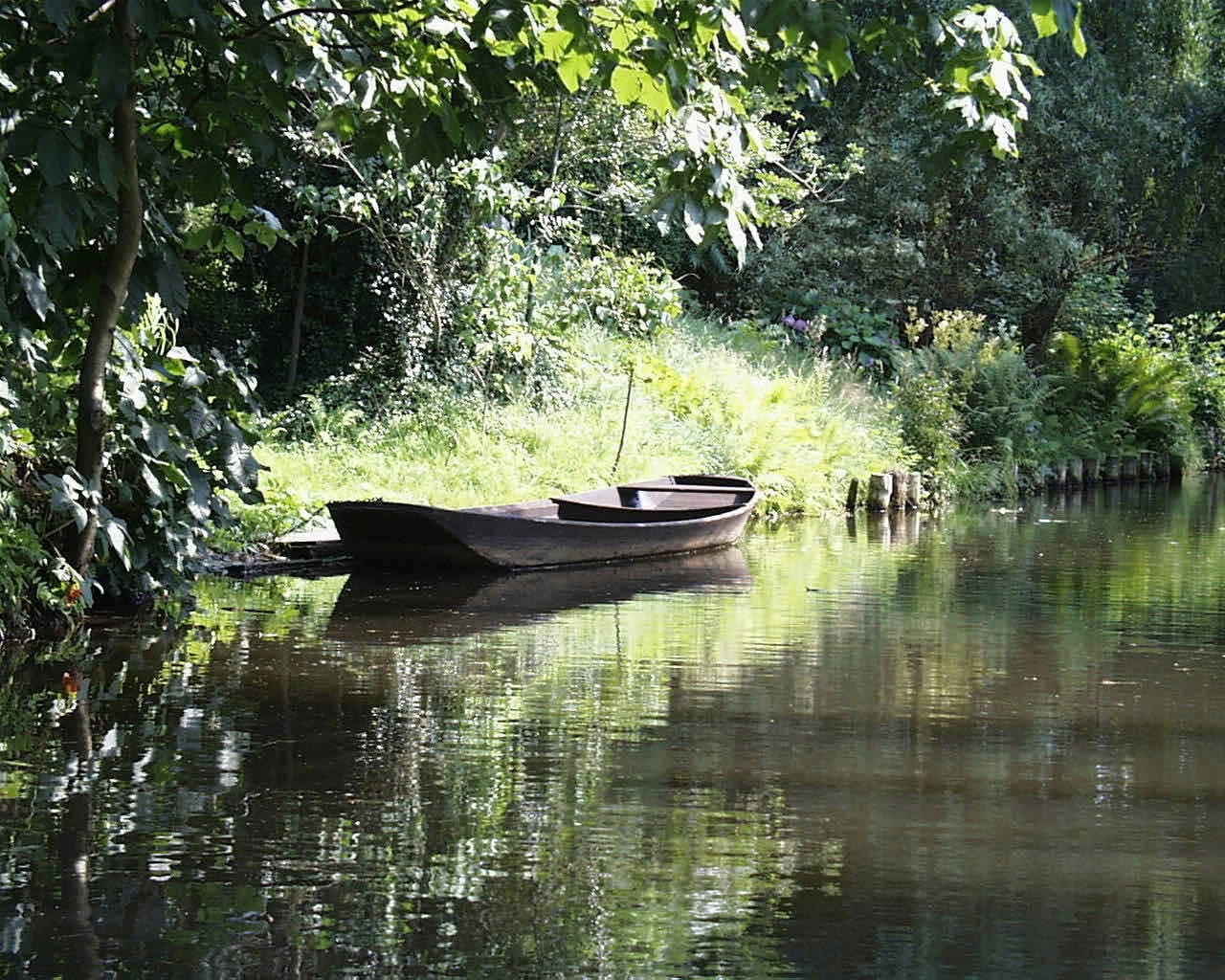
The Spreewald, a UNESCO biosphere reserve of branching waterways north and north-west of Cottbus, is the standard day trip. You can go on a traditional punt boat through the canals, cycle the Gurkenradweg (a 260 km route named after the local gherkins) and eat in the villages. The Spreewald's own site gives the details.
Berlin is about 100 km away and Dresden about 90 km, which puts both within a day trip, and Zielona Góra in Poland is about 90 km to the north-east. The city's tram and bus network, run by Cottbusverkehr, covers local trips.
On match days the football is Energie Cottbus, who play in the LEAG Energie Stadion (about 22,500 seats) and returned to professional football in 2024. The city says it has an Olympic training base, and its sports pages list its clubs.
Where the work is
Cottbus is a smaller job market than Berlin or Dresden, and some of its biggest employers are new. None of this is a promise of work; it shows where an internship, a student job or a first job after graduation can come from.
Medizinische Universität Lausitz - Carl Thiem ↗
A university hospital that employs about 4,200 people from more than 60 nations, and trains staff in eight health professions at its academy, including nursing, physiotherapy and emergency paramedic work.
Deutsche Bahn maintenance works ↗
The city lists the new Deutsche Bahn works among its structural-change projects.
Fraunhofer IEG and the Lausitz Science Park ↗
Also named on the city's structural-change page, with the Net Zero Valley Lausitz initiative that the city presented in May 2026. Relevant if you study energy, materials or engineering.
The university's own job and internship service, with listings of student jobs.
A city service at Berliner Straße 157 for newcomers, with advice on language courses, jobs, housing, health and which office handles which form. Open Monday 13:00 to 16:00, Wednesday 09:00 to 12:00 and Thursday 13:00 to 16:00; write to welcome@cottbus.de.
Part 2
Student life in Cottbus
Where you can study
Brandenburgische Technische Universität Cottbus-Senftenberg (BTU) ↗
The technical university of Brandenburg, with about 7,700 students and more than 2,000 first-year students in the latest intake. Its main campus is the Zentralcampus in Cottbus, and it has a second campus in Senftenberg and a branch in Spremberg. It lists 126 countries among its students. Degrees marked as international on its Master's page include Artificial Intelligence, Cyber Security, Power Engineering, Environmental and Resource Management, World Heritage Studies, Biotechnology, Micro- and Nanoelectronics and Physics. The university says it offers English-language degrees at Bachelor, Master and PhD level and publishes a filtered list; check the language of each programme before you apply. Applications from abroad go through uni-assist.
International office ↗Medizinische Universität Lausitz - Carl Thiem (MUL-CT) ↗
A university of medicine founded on 1 July 2024 around the Carl-Thiem hospital at Thiemstraße 111, Brandenburg's first university hospital. The first 38 students of the human medicine model degree were matriculated on 11 October 2026, and four degree programmes are being set up. Its academy trains eight health professions. The language of instruction is not stated on its site, so assume German unless the programme page says otherwise.
Student unions, services and groups
Studierendenrat (StuRa) of the BTU ↗
The student council and the executive body of the student body. The Cottbus office is in the Mensa of the Zentralcampus, room 0.39, Friedlieb-Runge-Straße 1, open Tuesday and Thursday 9:00 to 12:00. It also deals with the semester ticket, and its international department takes part in welcome events for exchange students. Write to office@stura-btu.de.
Studierendenwerk Ost:Brandenburg ↗
Runs the dorms, the canteens and BAföG for the Cottbus and Senftenberg campuses. Its Cottbus housing page lists four halls.
Studienstart International and the International Relations Office ↗
Advice and support for starting studies at the BTU, including a Welcome and Registration Point for international first-year students that runs from 7 September to 30 October 2026. Write to international+studystart@b-tu.de.
University sport on both campuses. Courses in the winter term run from 12 October 2026 to 31 January 2027, and you book them online through the booking system linked on the page. Write to sport@b-tu.de.
Studierendengemeinde Cottbus (ESG) ↗
The Protestant student community. It says it is open to students of all faculties, nationalities and church backgrounds, or none. It holds university services in the Klosterkirche and a Get Together on Thursdays at 18:00 at Schillerstraße 56, and it runs an emergency fund for international students in financial crisis.
A Christian student group open to every field and background, meeting on Wednesdays at 19:00 at Parzellenstraße 93, with a section for international students. Write to cottbus@smd.org.
The student club at Papitzer Straße 4, with weekly nights such as Magic Monday, jam sessions, a quiz night and a queer regulars' table.
A stage for student-led projects, backed by the Studierendenwerk. It has theatre nights and invites students with a project who need a room.
The student cinema, with films on Wednesdays in the semester, mostly in the Quasimono; admission is generally for students and university staff.
A service and social club listed by the BTU among its student engagement groups.
BTU campus life: groups, clubs and international associations ↗
The university's list of international student groups, clubs such as the Writers Club and Retro Gaming Club, and campus culture.
Campus life and study culture
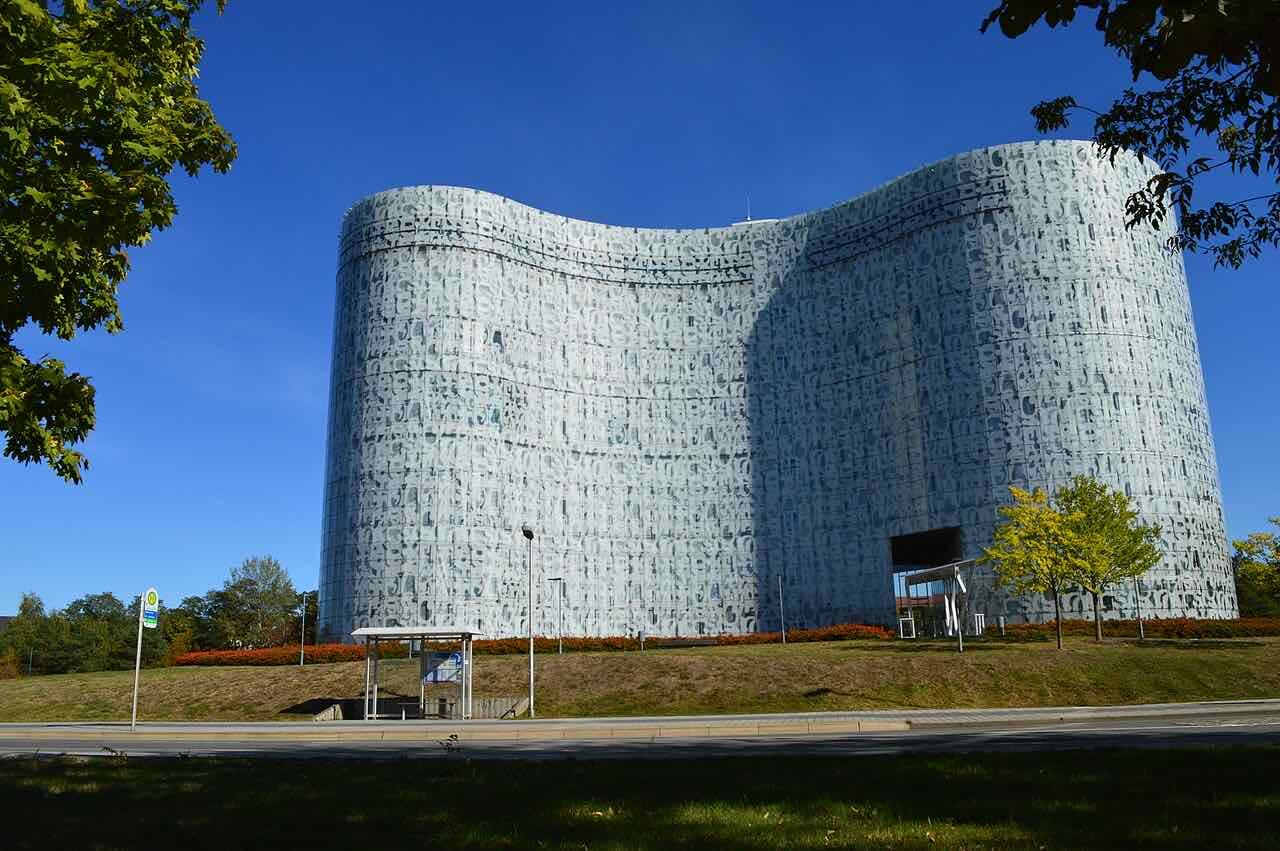
The Zentralcampus is where most students spend their days, with the library, the Mensa, the StuRa office and the Studierendenwerk's biggest dorms close together. The library building has a curved facade printed with letters, and you will see it on every campus photo. The university also has a Cottbus-Sachsendorf campus and a Senftenberg campus, so check which site your own programme uses before you rent a room.
Study is practical and technical: engineering, energy, environment and materials, computer science and mathematics, plus heritage studies. The international student groups of the BTU are listed by country on its campus-life page, so you can often find a group from your own country before you arrive.
A language note. Many Master's programmes are taught in English, but daily life in Cottbus runs in German. City offices and the supermarket will not switch to English, so the BTU's German courses at the Language Centre are worth booking in your first semester.
What you pay each semester and each month
- Student services contribution
- 100.00 EUR per semestersource
- Semester ticket contribution
- 226.80 EUR per semestersource
- Student body contribution
- 14.00 EUR per semestersource
- Enrolment and re-registration fees
- 51.00 EUR per semestersource
- Total semester fee
- 391.80 EURsource
- Cheapest dorm range
- Lipezker Straße 46: 220 to 305 EUR a month, average 251 EURsource
- Universitätsstraße 1-16 dorm
- 235 to 330 EUR a month, average 253 EURsource
- Erich-Weinert-Straße 3-6 dorm
- 270 to 340 EUR a month, average 290 EURsource
- Dorm deposit
- 300 EURsource
- Blocked account for the visa
- 11,904 EUR a year, 992 EUR a monthsource
- Minijob income without tax
- up to 556 EUR a monthsource
Figures for the BTU's 2026/27 winter semester and the Studierendenwerk halls. Food, health insurance and private rent are not included.
Housing: apply early, and look privately too
The Studierendenwerk says demand for its rooms far exceeds supply, so apply as soon as you have an admission and look at private options at the same time. Dorm rooms are furnished, with internet and all utilities in the rent.
Universitätsstraße 1-16 (Zentralcampus) ↗
408 one-room apartments and 670 single rooms in two-room apartments, 20 to 31 m2.
Erich-Weinert-Straße 3-6 (Zentralcampus) ↗
277 one-room apartments and 22 single rooms in shared flats, 21 to 31 m2.
Private student housing: T1 Campus Cottbus and Prima Campus ↗
Private halls that the BTU lists next to the Studierendenwerk's. Each has its own application.
A private student residence in Cottbus listed by the BTU Welcome Centre.
Municipal and cooperative landlords ↗
The BTU lists GWC and eG Wohnen as housing companies in Cottbus and says finding a flat near the university is generally easy. Private flats are usually unfurnished, so check what is included.
Food, sport and evenings
The Studierendenwerk runs canteens on the Zentralcampus, at Cottbus-Sachsendorf and in Senftenberg. The BTU notes that the Zentralcampus canteen is currently a temporary building north of the FMPA, so check the Studierendenwerk's menu page for the current location and prices.
Evenings are the student club Muggefug, the Wednesday student cinema, the Bühne 8 stage, and the city's theatre. The BTU also lists a campus TV, a retro-gaming club, an otaku club and several technical groups, and the Hochschulsport has courses on both campuses.
Spend one evening at the FilmFestival in November: it is the biggest cultural event of the year in the city, and it shows films you will not find in a normal cinema.
Faith and community
The BTU's list of student groups includes two Christian groups, and the city names a synagogue and several churches.
Studierendengemeinde (ESG) with services in the Klosterkirche ↗
University services on selected Thursdays at 19:00, for example 29 October 2026 and 28 January 2027.
Propstei- und Pfarrkirche St. Maria Friedenskönigin ↗
The Catholic parish church of Cottbus, described on the city's page.
The building was handed to the Jewish community of Cottbus in 2015.
The large late-Gothic brick church on the Altmarkt that the city lists among its main sights.
Your first weeks
- 1
Before you fly
Apply for a dorm room through the Studierendenwerk and keep looking privately. Open the blocked account (11,904 EUR a year for the visa) and have your health insurance proof ready. Write to the BTU's Studystart International team if you are unsure what to bring.
- 2
First two weeks
Register your address at the Stadtbüro, Karl-Marx-Straße 67. Book an appointment online through the city's booking page (the BTU's Welcome Centre page explains the steps), or walk in on Tuesdays from 13:00 to 18:00. Bring your landlord's confirmation of residence (Wohnungsgeberbestätigung) and your passport. You get the registration certificate straight away, and you need it for a bank account.
- 3
As soon as you are registered
Enrol at the BTU and pay the semester fee. At the Welcome and Registration Point for international first-year students (7 September to 30 October 2026) the university helps with the first steps.
- 4
Within the first month
Apply for your residence permit. The Ausländerbehörde in Cottbus takes applications online only, at the earliest two days after you registered. Bring the registration certificate, passport, a digital biometric photo, health insurance, enrolment certificate and proof of funds. The card takes about 4 to 6 weeks to produce. The city offers special consultation hours for BTU students.
- 5
In the first semester
Join one student group (an international association, the ESG or SMD, Hochschulsport) and look at the German courses of the Language Centre. If you take a part-time job, remember that students from outside the EU may work 140 full days or 280 half days a year, and up to 556 EUR a month is tax-free.
Where you come from matters here
Pick your home country: food, faith, community groups and the consulate that serves you, checked 21 October 2026.
🇮🇳 Living in Cottbus as an Indian student
Indian students at the BTU have their own association with a website, and there is a separate group for Malayali students. There is no Indian consulate in Cottbus; consular services are at the Embassy in Berlin. The city's page of churches and religious sites lists no Hindu temple or gurdwara.
Indian Student Association Cottbus (ISAC) ↗
A BTU student association that calls itself 'Connecting Indians and Germans'. Its site has guides for newcomers on admission, accommodation, city registration, opening a bank account and reaching Cottbus, and links to a WhatsApp community and the BTUIndians Facebook group.
Tiergartenstraße 17, Berlin. Passport, visa, OCI and attestation services are handled by the embassy, and since 20 January 2026 applications need an online appointment. Submission hours are 09:30 to 12:30.
🇳🇬 Living in Cottbus as a Nigerian student
Nigerian students at the BTU run their own association. Cottbus has no Nigerian consulate; passports and other consular work go through the Embassy in Berlin.
Nigerian Students in Cottbus (NAIJA-BTU) ↗
A BTU student group for Nigerian students, listed with its contact on the university's campus-life page.
Neue Jakobstraße 4, Berlin. Submissions are accepted Monday to Thursday from 10:00 to 14:00. Visa applications go through VFS, and passport applicants book an appointment on the Nigeria Immigration website first.
🇳🇵 Living in Cottbus as a Nepali student
The BTU has a Nepalese Student Association with a Facebook group. The nearest Nepalese embassy is in Berlin; Cottbus has no consulate.
Nepalese Student Association BTU ↗
A BTU student group for Nepalese students, with an email address and Facebook group listed by the university.
Guerickestraße 27, Berlin. Its consular pages cover passports, visas, travel documents, powers of attorney, NRN ID and document verification.
🇵🇰 Living in Cottbus as a Pakistani student
The BTU has a Pakistan Student Association. Cottbus has no Pakistani consulate; residents of Brandenburg get consular services at the Embassy of Pakistan in Berlin.
Pakistan Student Association BTU Cottbus (PSA) ↗
A BTU student group for Pakistani students, with its contact on the university's campus-life page.
Its consular jurisdiction page lists Brandenburg among the states served from Berlin. Consular hours are Monday to Thursday, 09:00 to 12:00.
🇨🇳 Living in Cottbus as a Chinese student
The BTU's East Asian Student Association (EASA) is currently recruiting a new team. The Chinese Embassy and its consular document hall are in Berlin; Cottbus has no Chinese consulate.
East Asian Student Association (EASA) ↗
A BTU student association for East Asian students; to join the new team, write to studentactivities@b-tu.de.
The embassy is at Märkisches Ufer 54, and its consular document hall is at Brückenstraße 10, Berlin, open Monday to Friday 09:00 to 12:00.
English-taught programmes in Cottbus
Soonest open deadline first. Every entry links to its official source.
- PhysicsBrandenburg University of Technology Cottbus-Senftenberg · CottbusmasterNo tuition15 Jan 2027Open
- Control of Renewable Energy SystemsBrandenburg University of Technology Cottbus-Senftenberg · Cottbusmaster31 Jan 2027Open
- Hybrid Electric Propulsion TechnologyBrandenburg University of Technology Cottbus-Senftenberg · CottbusmasterNo tuition15 May 2027Open
- Transformation StudiesBrandenburg University of Technology Cottbus-Senftenberg · CottbusmasterNo tuition15 May 2027Open
- Environmental and Resource Management (MSc)Brandenburg University of Technology Cottbus-Senftenberg · CottbusmasterNo tuition15 May 2027Open
- Environmental and Resource Management (BSc)Brandenburg University of Technology Cottbus-Senftenberg · CottbusbachelorNo tuition15 Jul 2027Open
- Artificial IntelligenceBrandenburg University of Technology Cottbus-Senftenberg · CottbusmasterNo tuition15 Aug 2027Open
- Mathematical Data ScienceBrandenburg University of Technology Cottbus-Senftenberg · CottbusmasterNo tuition15 Aug 2027Open
- MathematicsBrandenburg University of Technology Cottbus-Senftenberg · CottbusmasterNo tuition15 Aug 2027Open
- Micro- and NanoelectronicsBrandenburg University of Technology Cottbus-Senftenberg · CottbusmasterNo tuition15 Aug 2027Open
- Heritage Conservation and Site ManagementBrandenburg University of Technology Cottbus-Senftenberg · CottbusmasterNo tuitionSee sourceCheck source
- Power EngineeringBrandenburg University of Technology Cottbus-Senftenberg · CottbusmasterNo tuitionSee sourceCheck source
- Transfers-Fluids-Materials in Aeronautical and Space Applications (TFM-ASA)Brandenburg University of Technology Cottbus-Senftenberg · CottbusmasterSee sourceCheck source
- Cyber SecurityBrandenburg University of Technology Cottbus-Senftenberg · CottbusmasterNo tuitionSee sourceCheck source
- Urban Design and Sustainable RevitalisationBrandenburg University of Technology Cottbus-Senftenberg · CottbusmasterSee sourceCheck source
- World Heritage StudiesBrandenburg University of Technology Cottbus-Senftenberg · CottbusmasterNo tuitionSee sourceCheck source
Is Cottbus right for you? Ask us. Free.
Tell us your passport, grades and budget. We compare Cottbus with the other places you could study, then apply for you. You never pay us.
Get my free plan