Studying in North Rhine-Westphalia, Germany
Dortmund
A Ruhr city that swapped coal and steel for logistics, software and research, with a lake, a football stadium and student rooms near campus
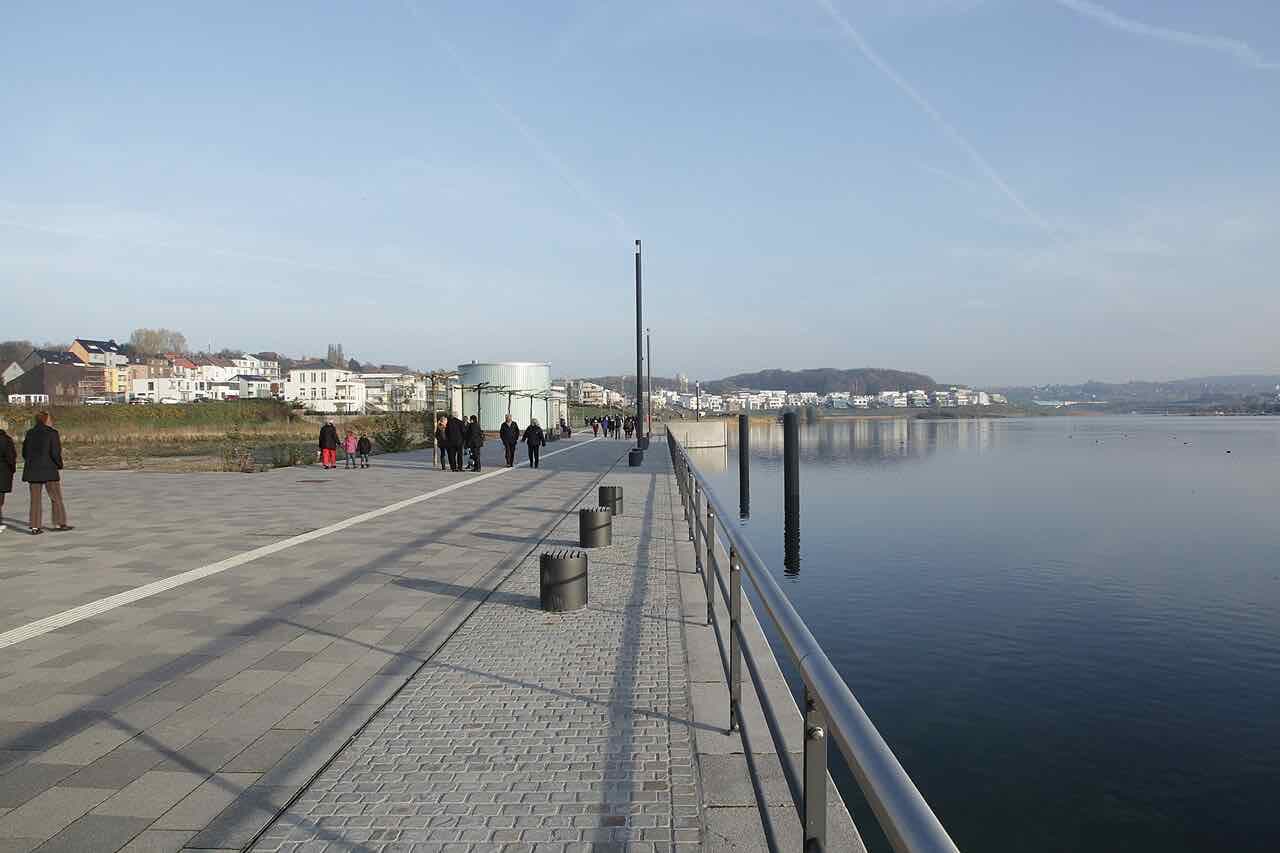
Dortmund is a working city that has reinvented itself. The last colliery closed in 1987, and what was a steelworks now holds a lake with a harbour promenade, while the old blast furnace next to it can be climbed. A research university, a university of applied sciences with eight departments, several private universities and a ring of research institutes sit inside the city, and the main campuses sit close to the dormitories and canteens. The FH Dortmund calls living costs very low compared with other German cities, the Nordstadt has residents from more than 100 nations, and the city's own pages describe its people as direct, warm and a bit self-mocking. If you want a big-city study life without a big-city price tag, in the middle of the Rhine-Ruhr region, this is a sensible place to spend your degree.
- State and region
- North Rhine-Westphalia, in the Rhine-Ruhr metropolitan region
- Last colliery closed
- 1987
- Semester fee (FH Dortmund)
- About 330 EUR per semester
- Monthly budget FH Dortmund recommends
- 992 EUR available per month
Part 1
Living in Dortmund
From coal and steel to software and logistics
Dortmund was a coal, steel and beer town. The city's tourism pages put it plainly: the last colliery closed in 1987, but traces of industry are everywhere, and somebody in almost every family worked at a pit or at the Hoesch steelworks. What you see today is the second life. The old industrial sites are museums, parks and event spaces, and the city has spent decades turning itself into a centre for information technology, logistics and biotechnology.
For a student this mix is useful. You study next to institutes that work on logistics, software systems, analytical science and molecular physiology, and you live in a city where a former steelworks is now a lake with a 3.2 km path around it.
The tone is Ruhr: direct, practical and quick to joke. The city describes its dialect as soft Ruhr German, with "watt" and "datt" for "what" and "that", and says that here it matters less where you come from than how you treat people. You will hear that in the canteen and at the kiosk, the "Büdchen", which is where a lot of Dortmund's social life happens.
What to see and do
Most of these are short rides from the main station or from either TU campus.
A lake in Dortmund-Hörde, opened in spring 2011 on the site of a former steelworks. 3.2 km of paths for walking, running, cycling and skating, a harbour area and water sports.
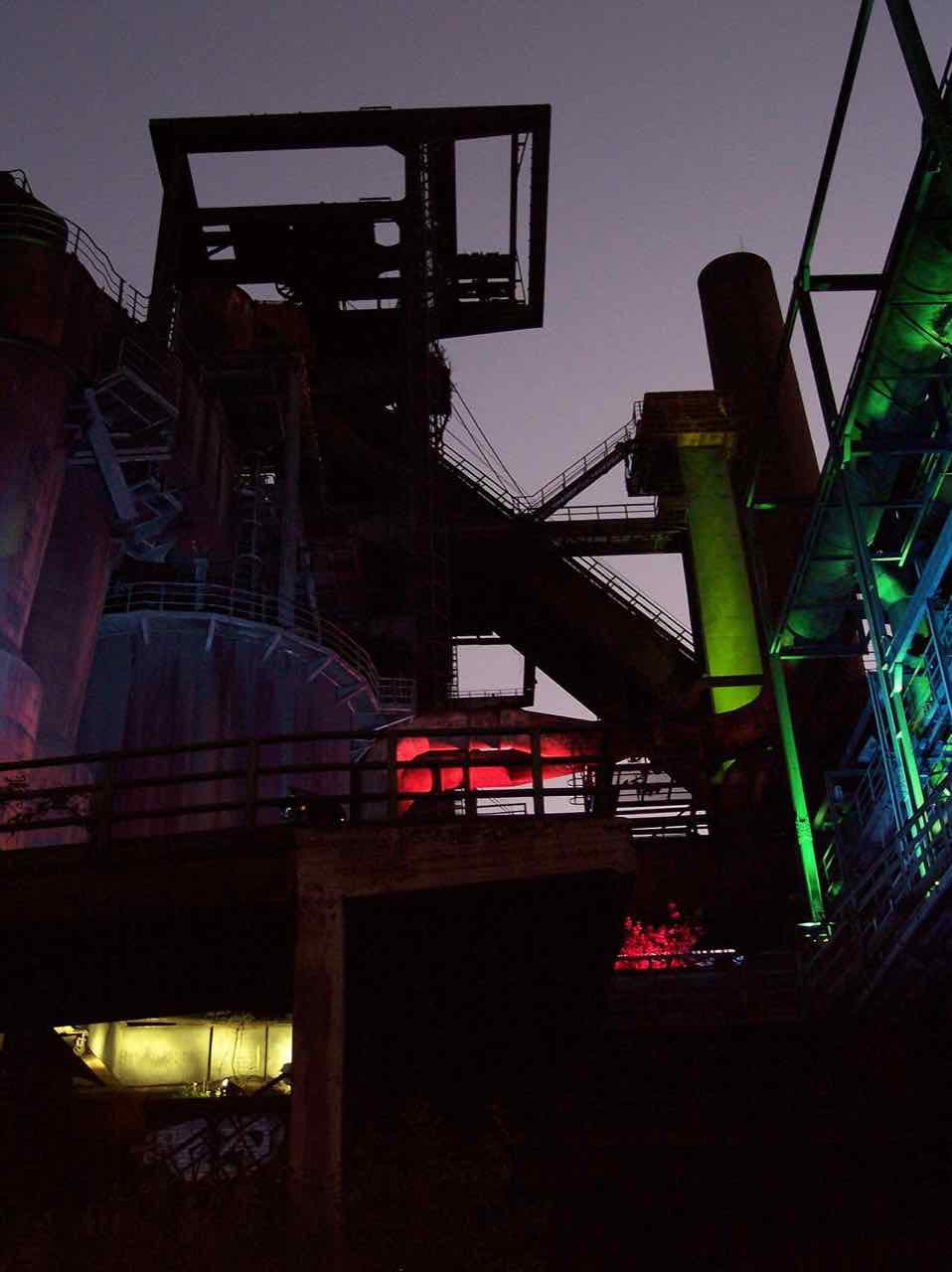
Next to the lake, a former blast furnace site with two huge furnaces still standing. Guided tours climb one of them, about 65 metres up, via a skywalk on a gas pipe. Sturdy shoes needed.
Westfalenpark and Florianturm ↗
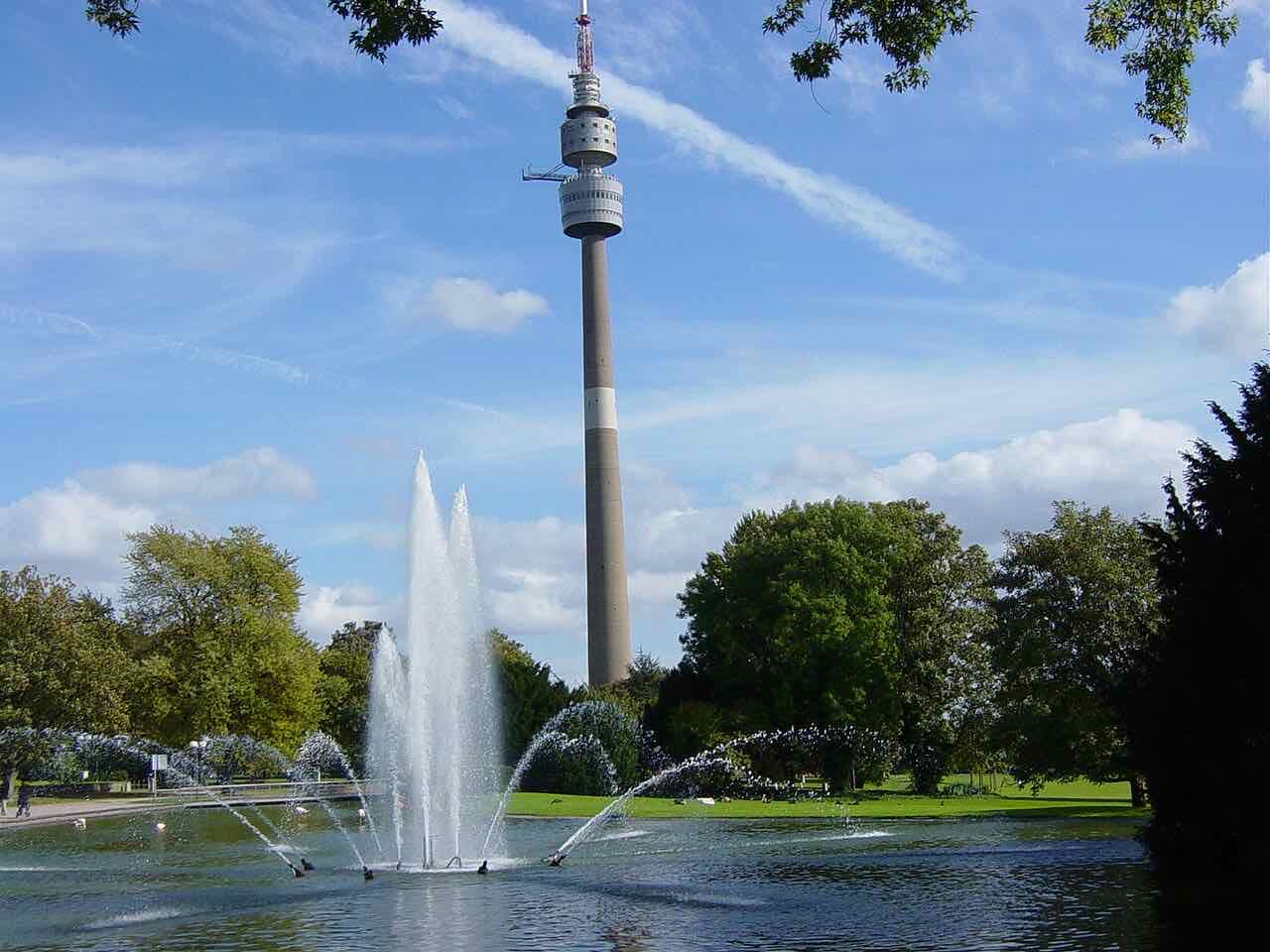
A large park with the Deutsches Rosarium, playgrounds, sports areas and a year-round events programme. The Florianturm gives a view over the whole city.
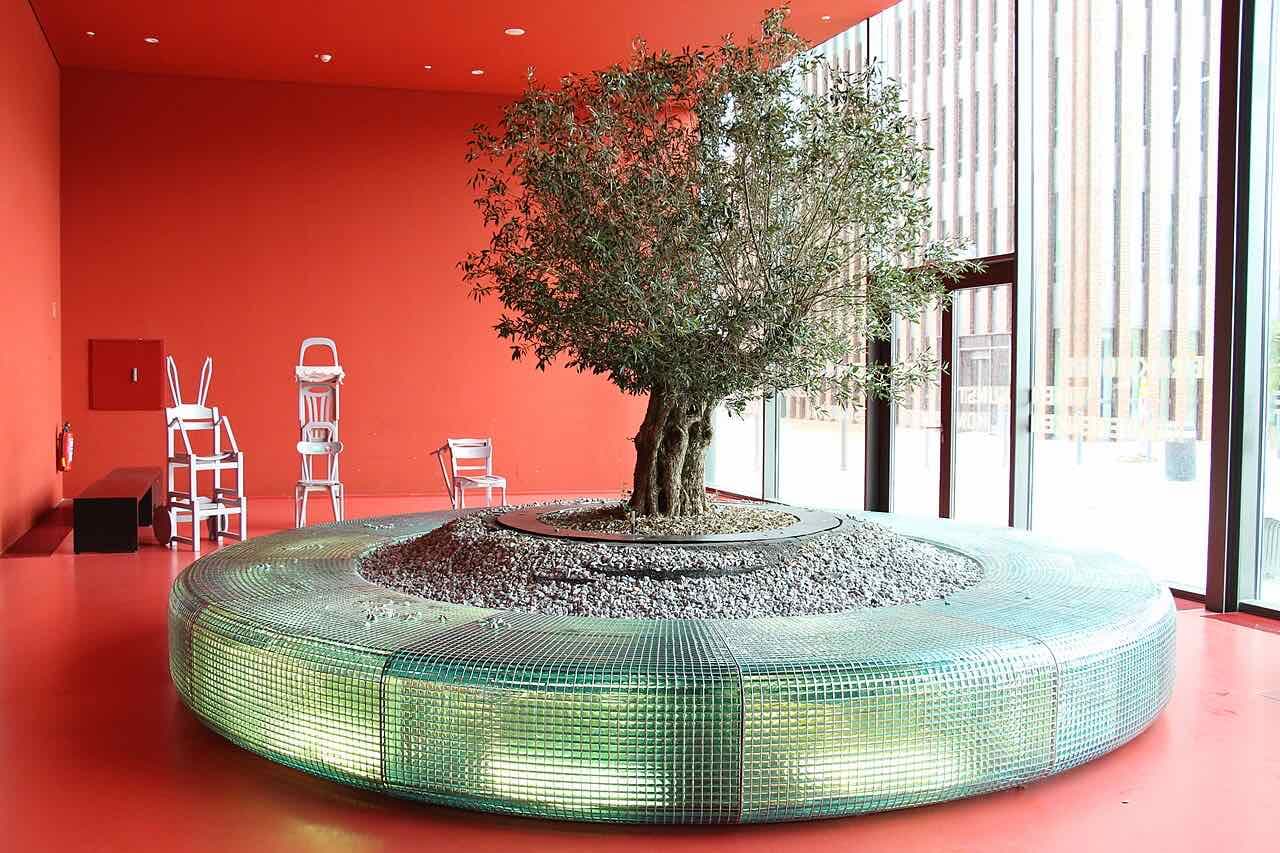
The former Union brewery, with a lit "U" on the roof. It holds the Museum Ostwall (modern art from Expressionism to video art), the Kunsthalle Dortmund and UZWEI, a creative floor with exhibitions and workshops.
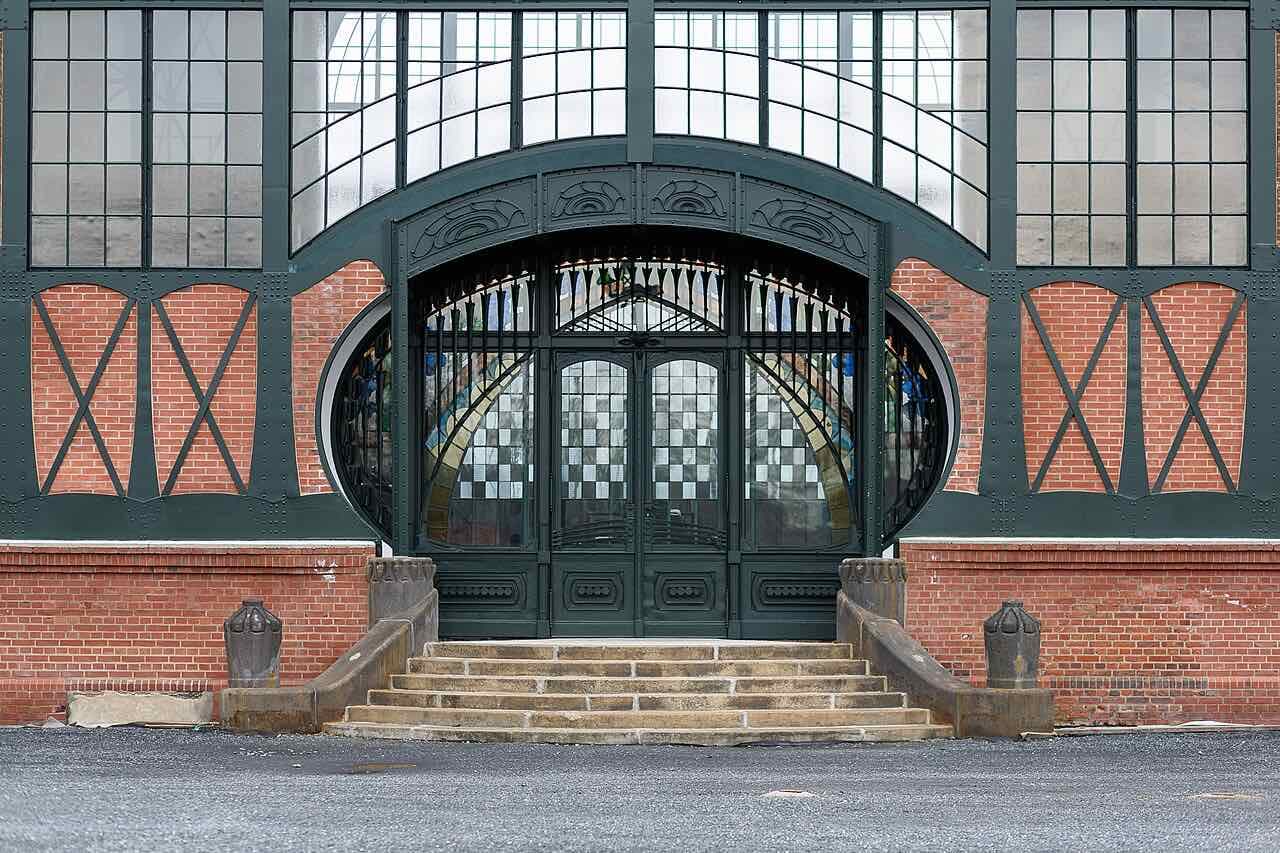
One of Germany's finest industrial monuments, in the west of the city, with twin winding towers and an ornate machine hall portal. The city also points to Zeche Gneisenau and the former Kokerei Hansa in Huckarde.
DASA Arbeitswelt Ausstellung ↗
Germany's largest exhibition about the world of work, spread over almost two football pitches, with hands-on rooms.
The national football museum, open Tuesday to Sunday, 10:00 to 18:00.
Konzerthaus Dortmund and Theater Dortmund ↗
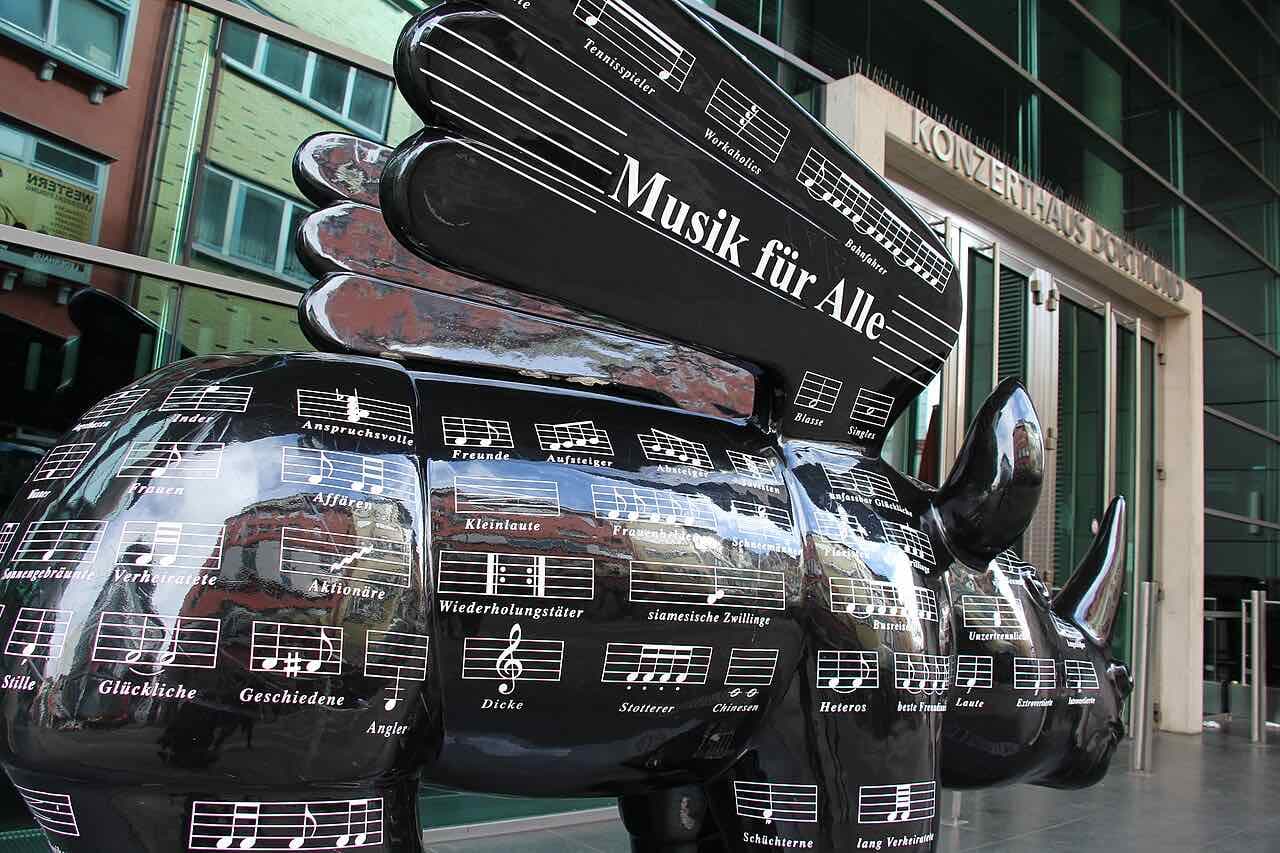
The concert hall and the city theatre are the two big stages. The Orchesterzentrum|NRW also gives public concerts, usually free.
Industry, park and culture
Neighbourhoods, and where students end up
The city's own neighbourhood guide gives a good first map. Which one suits you depends on your campus and your budget.
South-west of the centre, with old Art Nouveau buildings, big trees and many cafés. Once the classic student pub quarter, now also home to families and graduates. The Möllerbrücke has become an informal meeting spot for young people in warm months. The FH Dortmund's Campus Sonnenstraße is here.
South-east of the centre between Hohe Straße and Ruhrallee, with shops, many restaurants and quiet residential blocks. The city notes that it is close to the universities and attractive for students and young professionals.
Right behind the Dortmunder U, with street art, studios and affordable flats. The city describes a creative scene and an everyday multicultural mix.
East of the old city walls, with Art Nouveau houses and restaurants. One of the most popular central residential areas, and priced like it.
North of the main station and around the harbour. The city says more than 100 nations live between the harbour and Borsigplatz; there are clubs, bars and a growing number of start-ups and creative projects in the Hafenviertel. Rough around the edges, and very lively.
Innenstadt and Brückstraße quarter ↗
The Alter Markt has the nightlife, and the streets around Brückstraße have independent shops, bars and clubs favoured by young people.
Football is a way of belonging
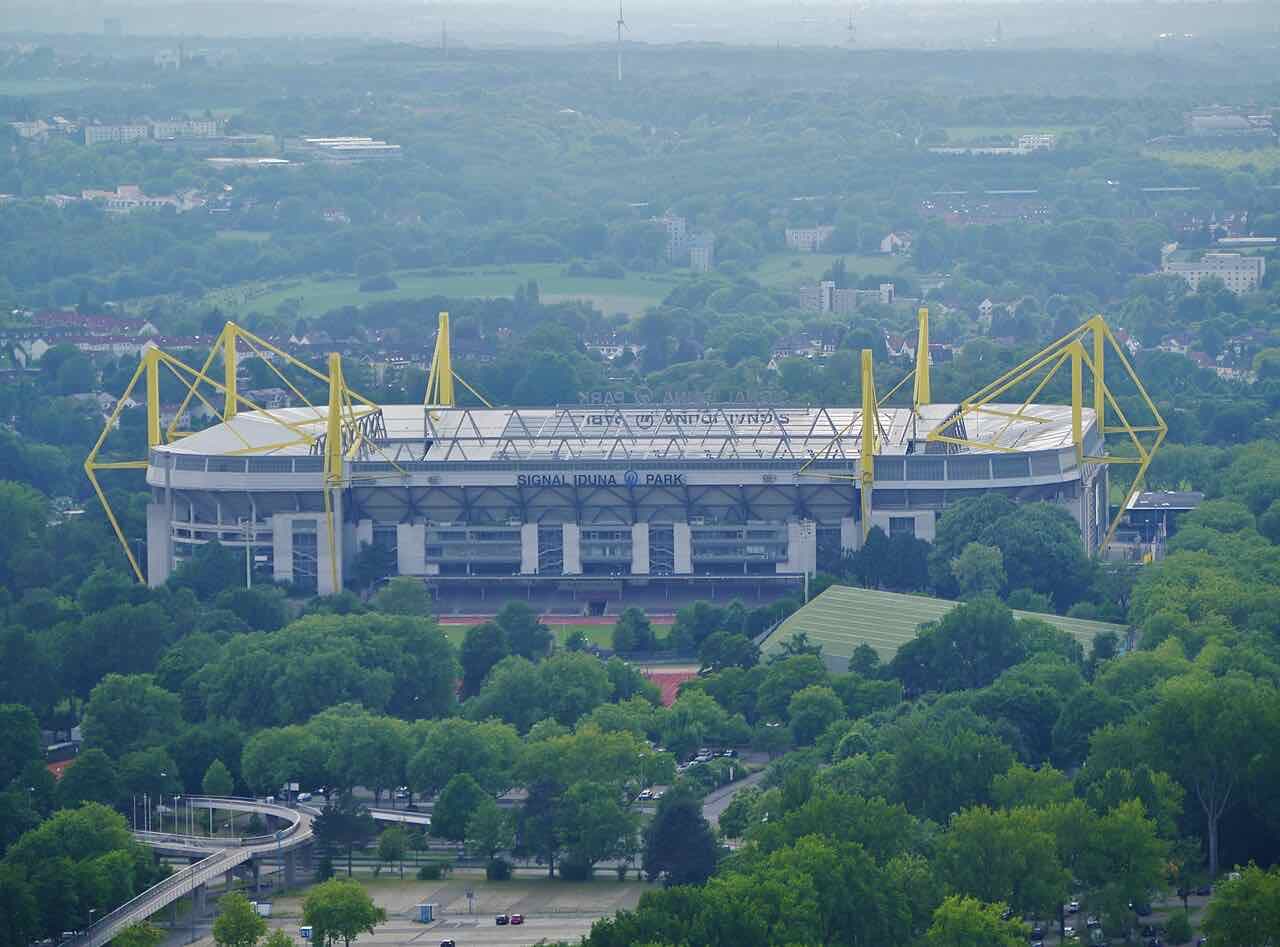
Borussia Dortmund was founded at the Borsigplatz in 1909 and plays in black and yellow. Its stadium holds 80,000 and is the largest in Germany, and on match days the whole city feels it, in the stadium, in the pubs and at home in front of the television. The city's own page calls industrial heritage and football the two shared reference points that tie generations together.
You do not have to love football to live here. The Deutsches Fußballmuseum is a good rainy-day visit, and the FH Dortmund's buddy programme for international students includes a Signal Iduna Park event.
Getting around and arriving
Dortmund is a transport hub. The main station has direct connections to many cities in Germany and abroad, there is a central bus station, and the airport in Wickede is the third-largest commercial airport in NRW. Locally the city names U-Bahn, buses and S-Bahn. Bike and e-scooter sharing is available across the city, including metropolradruhr.
As a student you will rarely buy a ticket. The TU's student union says that since summer semester 2024 the semester ticket is a Deutschland-Semesterticket, valid on public transport across Germany. Check what your own university's semester fee includes before you buy a separate pass.
The TU's student union runs a bike workshop and lists the metropolradruhr bike-sharing system, and the city has a cycling information page.
What it costs
- Room in a Studierendenwerk dormitory
- 350 to 500 EUR per month, depending on size and equipmentsource
- Furnished room in a dormitory or private flat (FH estimate)
- 450 to 600 EUR per monthsource
- Food
- about 200 EUR per monthsource
- Health, accident and liability insurance
- about 150 EUR per monthsource
- Broadcasting fee (Rundfunkbeitrag)
- about 18 EUR per month; only one person per shared flat payssource
- Phone and internet
- about 20 EUR per monthsource
- Study materials
- about 30 EUR per monthsource
- Leisure, culture, sport
- about 60 EUR per monthsource
- Semester fee reserve
- about 55 EUR per month, around 330 EUR per semester at FH Dortmundsource
- Total FH Dortmund suggests you have available
- 992 EUR per monthsource
The FH Dortmund's own estimates for a student, rounded. They change; check the current page before you plan your finances.
Jobs, employers and research on the doorstep
Dortmund's economy is built around logistics, IT, insurance, energy and biotechnology. These are real organisations, not a promise of a job.
TechnologieZentrumDortmund (TZDO) ↗
The city's technology park runs several centres: logistics and IT, biomedicine, production technology, micro and nanotechnology (MST Factory), the e-port in the digital harbour and the B1st Software Factory for IT founders.
The Fraunhofer Institute for Material Flow and Logistics, on Joseph-von-Fraunhofer-Straße.
The Fraunhofer Institute for Software and Systems Engineering in the Speicherstraße, working on data spaces.
The FOM's Dortmund page names insurer Continentale, the energy network operator Westnetz, the retailer TEDi, the music label Century Media and the Dortmunder Actien-Brauerei as companies based in the city.
Part 2
Student life in Dortmund
Where you can study
The city's research university, with two campuses, Campus Nord and Campus Süd, and the university's address at August-Schmidt-Straße 4. The faculty of mathematics, for example, offers an English-taught master's, Industrial Mathematics, and reports that together with Ruhr-Universität Bochum it succeeded in the Excellence Strategy with the Ruhr Innovation Lab. Applications and enrolment run through its campus portal.
International office ↗Fachhochschule Dortmund (Dortmund University of Applied Sciences and Arts) ↗
Around 70 bachelor's and master's programmes in eight departments: architecture, design, computer science, engineering (electrical engineering, mechanical engineering and information technology), social sciences and business. Three campuses in the city: Sonnenstraße in the Kreuzviertel, Emil-Figge-Straße next to the TU, and Max-Ophüls-Platz in the centre. It stresses applied teaching, labs and small groups. Check each programme page for its language of instruction.
International office ↗ISM International School of Management ↗
A private business school, state-recognised and holding the AACSB accreditation, with a campus in Dortmund and six more in Germany. Programmes listed for Dortmund include B.Sc. International Management, Finance & Management, Applied Data Science & Business Analytics, and masters such as International Management, Finance and Business Intelligence & Data Science, in full-time, part-time and dual formats. It charges tuition fees; check the current amount on its site.
International office ↗FOM Hochschulzentrum Dortmund ↗
The Dortmund study centre of the FOM, a private university for people who study alongside work. Lectures are on campus in the east of the city or streamed from FOM studios as Digital Live study. It also runs dual bachelor's programmes with employers.
IU Internationale Hochschule, Campus Dortmund ↗
A campus of the IU in the Lindemannstraße, offering dual study programmes. The campus has a student kitchen and a common room.
Hochschule für Polizei und öffentliche Verwaltung NRW, Studienort Dortmund ↗
The state's university for police and public administration has a study location in Dortmund with around 1,500 students, with a main site and a city-centre site. Its dual programmes prepare for careers in the public service, so check the admission rules before you plan on it.
The state's central centre for training professional orchestral musicians, at Brückstraße 47. It is run jointly by the music universities of Detmold, Düsseldorf, Essen (Folkwang) and Cologne, and offers the master's degree Orchesterspiel. Its concerts are open to the public and mostly free.
Max Planck Institute of Molecular Physiology ↗
Research in molecular physiology. It takes bachelor's and master's students and PhD candidates, and has a welcome service for newcomers.
Leibniz-Institut für Analytische Wissenschaften (ISAS) ↗
A Leibniz institute for analytical science with sites at Bunsen-Kirchhoff-Straße 11 and on the Otto-Hahn-Straße campus next to the TU.
IfADo, Leibniz-Institut für Arbeitsforschung an der TU Dortmund ↗
Research on work, health and human factors in ergonomics, immunology, psychology and neuroscience, with a programme for graduate students.
Fraunhofer Institute for Material Flow and Logistics (IML) ↗
Applied logistics research on Joseph-von-Fraunhofer-Straße 2-4.
Fraunhofer Institute for Software and Systems Engineering (ISST) ↗
Applied research on data spaces and digital infrastructure, in the Speicherstraße.
Student unions, services and groups
The student union, at Emil-Figge-Straße 50. It runs counselling on rent, law, BAföG and social issues, a bike workshop, a job and flat exchange, certified copies and the semester ticket pages, and has a page in English.
Student parliament (StuPa) of the TU Dortmund ↗
The student parliament; recognised student groups can apply to it for funds.
Recognised student groups at the TU ↗
The AStA's list includes the English Theatre Group, LatinDO, the Muslimische Hochschulgruppe, the Iranian and Kurdish student groups, UNICEF HSG, Uni-Film-Club, Campusgarten, an e-sports group and GET Racing, a formula student team. Ask there before you start your own group.
Counselling for international students (AStA TU) ↗
Weekly counselling on residence law and visa extensions, benefits, labour law, admission rules and contracts. It is not binding legal advice. See the page for the current time and place.
Autonomous committees at the TU ↗
The AStA lists autonomous committees for international students (Ausländer*innenreferat), for people with disabilities, and for queer and feminist topics.
The FH's student union, with first legal advice, the semester ticket, hardship applications, project funding and departments for social issues, international students, IT and sustainability.
AStA FH Dortmund: international students ↗
A first point of contact for international students at the FH, who can answer questions or point you to the right person.
Housing in ten residences, the canteens and cafés, BAföG, psychological and social counselling, cultural events and childcare for student parents.
The local section of the Erasmus Student Network, listed by the TU AStA among its groups.
FH Dortmund buddy programmes ↗
A buddy for international first-semester bachelor's students, plus a senior mentoring programme for international master's students who want to practise German.
Katholische Hochschulgemeinde Dortmund ↗
The Catholic university parish at Liebigstraße 49a, with an international programme of evenings, counselling and emergency financial help.
The student representatives of the ISM, plus working groups for marketing, events and sport.
Campus life and study culture
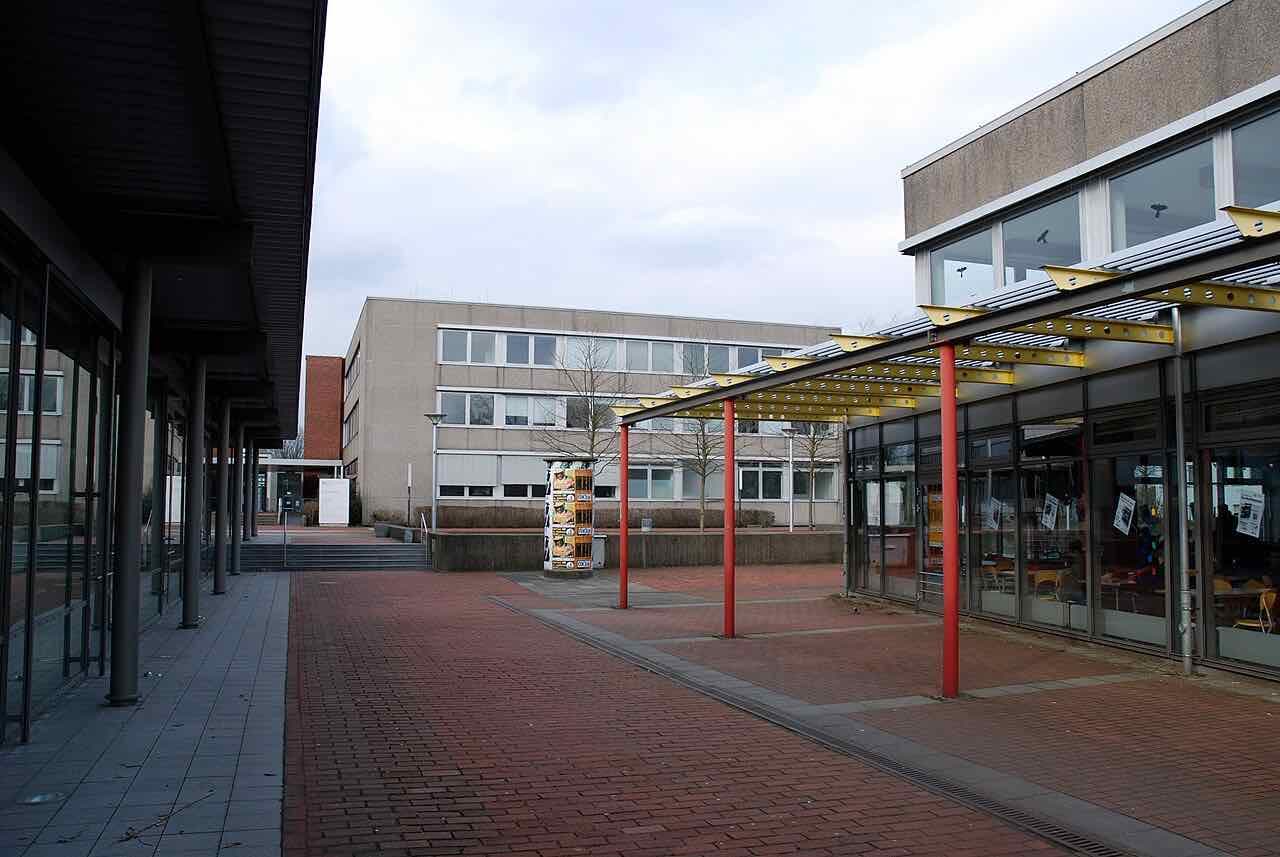
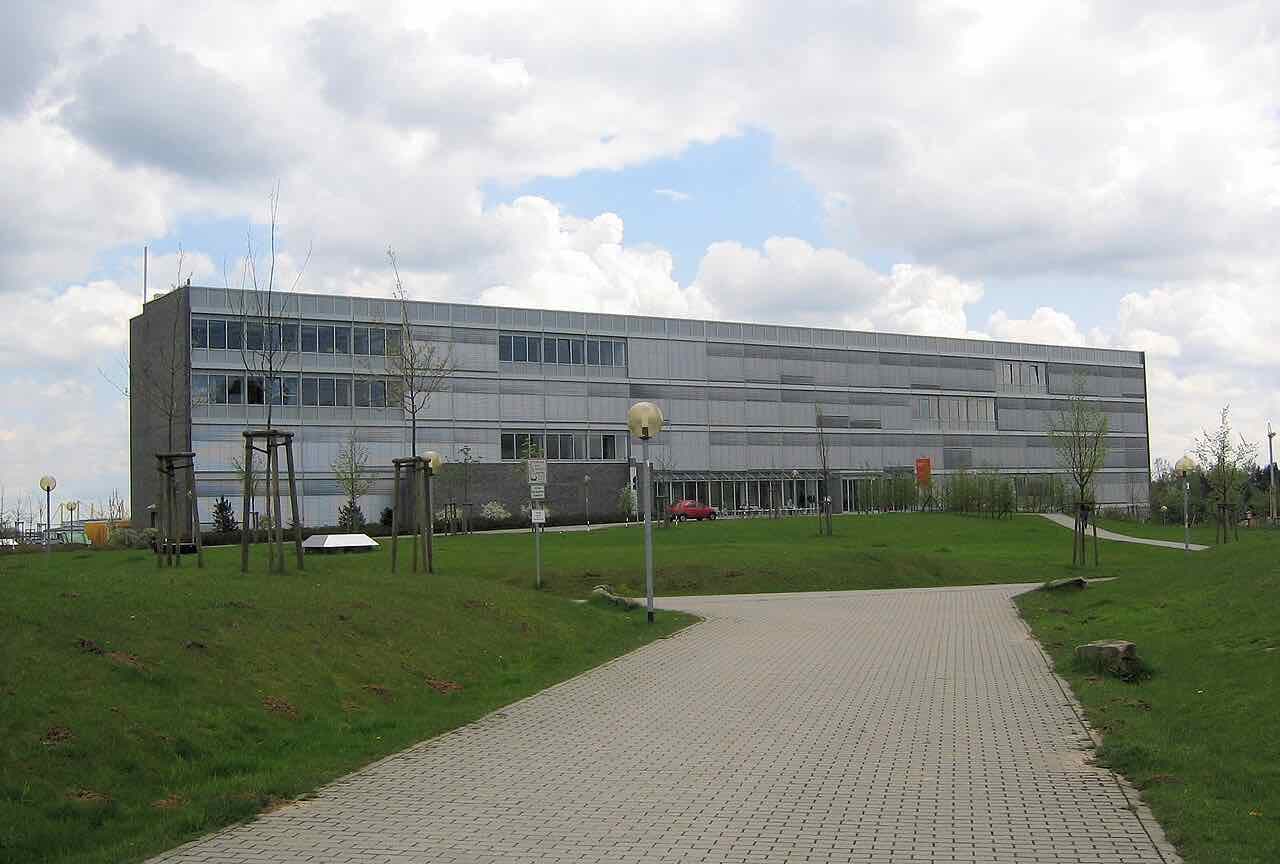
The TU has two campuses, Campus Nord and Campus Süd, each with its own canteens, and the main student housing is a short walk away. The FH Dortmund is spread over three city sites: the Sonnenstraße campus in the Kreuzviertel, the Emil-Figge-Straße campus next to the TU and the historic building at Max-Ophüls-Platz in the centre. The private ISM, FOM and IU offer full-time, dual or part-time formats.
The FH describes its model as applied science: labs, projects with companies and small groups where professors know your name. For international students the FH runs introduction days, GO!2FH, that cover immigration rules, the Deutschland-Semesterticket, housing tips and campus life.
If something goes wrong, you are not alone. The AStA runs pages for people who have experienced racism or antisemitism, and both student unions offer legal and social counselling for free.
On campus
Housing: dormitories, flats and how to apply
Rent is the largest cost. The Studierendenwerk's rooms are the cheapest, but you must apply early and quickly.
Studierendenwerk Dortmund residences ↗
Ten residences, including the Studentendorf on Vogelpothsweg, Am Gardenkamp, Emil-Figge-Straße, Meitnerweg, Ostenbergstraße and Baroper Straße. Rooms are furnished, rents include utilities and internet, and the FH quotes 350 to 500 EUR depending on size.
Since August 2024 there is no waiting list. Free room profiles are published on Mondays and Wednesdays at 10:00; you apply by type, location and maximum rent. The room goes to the first person with complete documents. You need a German bank account for the contract, and the stay is limited to eight semesters, with an extension of up to a year possible.
Students of the TU Dortmund, FH Dortmund, FH Südwestfalen, FernUniversität Hagen and Folkwang's Dortmund site. ISM students can be placed when capacity allows, with a surcharge. PhD candidates and guest students are not eligible. Rooms cannot be viewed in person.
The FH estimates 450 to 600 EUR for a furnished room in a flat, which it calls cheap compared with other German cities. The AStA runs a job and flat exchange, and unfurnished rooms are common and can be furnished cheaply second-hand.
Canteens and food
The Studierendenwerk runs the canteens at all the main campuses.
The Hauptmensa has vegan, vegetarian and flexi dishes; the food fakultät serves pizza and fresh pasta; the Galerie has a winter garden and a large terrace.
The Archeteria serves daily dishes, buffets and sandwiches, and the Mensa Süd is at August-Schmidt-Straße 2, right above it.
The Mensa kostBar is in the lecture hall building at Emil-Figge-Straße 40, another canteen is in the basement of the listed building at Max-Ophüls-Platz, and the one on Sonnenstraße is in the middle of the Kreuzviertel. Café C serves coffee at the Mensa building and Emil-Figge-Straße.
Weekends, sport and nights out
Weekends are about water, parks and the match. Run or cycle the 3.2 km around the PHOENIX See, picnic in the Westfalenpark, or walk through the Kreuzviertel to the Möllerbrücke on a warm evening. For nights out, the Alter Markt, the Brückstraße quarter, the Unionviertel behind the Dortmunder U and the clubs and bars of the Nordstadt are the places to start.
The Konzerthaus and the Theater Dortmund are both in the centre, and the AStA's cultural offers include a theatre flat rate. The Orchesterzentrum|NRW gives mostly free concerts. The city also runs open-air events at the Dortmunder U in summer.
The PHOENIX See offers water sports, and the city lists sports facilities and clubs on its sport pages.
Faith and community
Dortmund has many places of worship. These are confirmed, working starting points.
Katholische Hochschulgemeinde (KHG) ↗
University parish with an international programme.
Christian-Islamic Dialogforum Dortmund ↗
Run by Christian and Muslim institutions including the Rat der Muslimischen Gemeinden Dortmund, with regular visits to the city's mosque associations. Open to everyone.
ACK Dortmund (Council of Christian Churches) ↗
Nine member churches, including Greek Orthodox, Romanian Orthodox, Old Catholic and Methodist congregations.
Evangelischer Kirchenkreis Dortmund ↗
Lists ecumenical and interreligious work, including dialogue with Muslims and Jews.
Your first weeks
- 1
Before you arrive
Apply for a Studierendenwerk room as soon as you have an admission letter; new room profiles go online on Mondays and Wednesdays at 10:00, and a German bank account is needed for the contract. Try the AStA flat exchange as a fallback.
- 2
Week 1: register your address
Register with the city's Bürgerdienste. Bring the completed registration form, the landlord's confirmation (Wohnungsgeberbescheinigung), your passport and your residence permit with its supplementary sheet. If you arrived on a national visa (D visa), the city's team for entry and employment (38/2-1) gives you the appointment for registration and the first permit.
- 3
Week 1-2: residence permit
The city's Amt für Migration team "Ausbildung & Studium" handles student permits at the Stadthaus, Olpe 1. There are no walk-in hours; you book through its contact form. Bring your passport, a current biometric photo, enrolment certificate, proof of funds (blocked account or declaration of commitment) and proof of health insurance. Extensions cost 93 EUR; apply at least two weeks before the permit expires.
- 4
Week 1-2: health insurance, bank, broadcasting fee
Proof of health insurance is required for the permit, a German bank account is needed for a Studierendenwerk room, and a Rundfunkbeitrag registration of about 18 EUR a month, shared by flatmates.
- 5
Week 2: orientation
Join the FH's GO!2FH days or your university's introduction week, sign up for the buddy programme, and book the AStA's counselling for international students if anything about your permit or contract is unclear.
- 6
First months: jobs
Look at the AStA's job exchange and your department's research assistant (HiWi) offers; HiWis usually need at least six semesters. The DAAD's study portal states that students' permitted working time depends on whether you are from the EU and on your residence permit, that the rules are strict and that breaking them can lead to exmatriculation. Ask the AStA's international counselling before you sign anything.
Where you come from matters here
Pick your home country: food, faith, community groups and the consulate that serves you, checked 21 October 2026.
🇮🇳 Living in Dortmund as an Indian student
The Consulate General of India in Frankfurt covers North Rhine-Westphalia, according to its jurisdiction page. The Auslandsgesellschaft has a German-Indian circle in Dortmund, and the FH Dortmund features students from India on its welcome page.
Consulate General of India, Frankfurt ↗
Responsible for NRW. Its site has passport services, online appointment booking and registration for Indian nationals.
List of Indian associations in the consulate's area ↗
The consulate's own list. None is based in Dortmund; the nearest are in Cologne, Bonn and Düsseldorf, and there are also NRW-wide groups such as Gujarati Samaj NRW and NRW Kannada Koota.
Deutsch-Indischer Länderkreis, Auslandsgesellschaft Dortmund ↗
One of the 28 country circles under the Auslandsgesellschaft's roof, which organises talks, films and conversation evenings.
🇳🇬 Living in Dortmund as a Nigerian student
The Auslandsgesellschaft's list of country circles has no Nigerian one. The Embassy of Nigeria in Berlin is the official contact in Germany.
The embassy's site for passports, visas and community notices.
Deutsch-Afrikanisches Wirtschaftsforum NRW ↗
A biennial business forum in Dortmund focused on NRW and Africa, useful for contacts and internships.
🇻🇳 Living in Dortmund as a Vietnamese student
No Vietnamese association is listed among the Auslandsgesellschaft's circles. The Embassy of Vietnam in Berlin is the official contact. The Nordstadt is the place in Dortmund to look for shops and cafés with an international range.
Consular services in Germany.
More than 100 nations live between the harbour and Borsigplatz, with a mix of restaurants, culture and everyday life.
🇧🇩 Living in Dortmund as a Bangladeshi student
No Bangladeshi association is listed among the Auslandsgesellschaft's circles. The Embassy of Bangladesh in Berlin is the official contact.
Embassy of Bangladesh, Berlin ↗
Consular services and notices for Bangladeshi citizens in Germany.
Recognised student groups at the TU Dortmund ↗
A list that includes the Muslimische Hochschulgruppe and groups for students from several countries; ask the AStA how to start one.
🇳🇵 Living in Dortmund as a Nepali student
The Auslandsgesellschaft's circles do not include a Nepali one. The Embassy of Nepal in Berlin is the official contact.
Consular services and announcements.
AStA counselling for international students ↗
Free counselling on permits, work rules and contracts, a good first stop while you find your own network.
🇵🇰 Living in Dortmund as a Pakistani student
Passport and visa matters for Pakistan are handled by its diplomatic missions in Germany; check the embassy's website for which office covers North Rhine-Westphalia. In Dortmund, the city's Muslim communities have a council, the Rat der Muslimischen Gemeinden Dortmund.
Christian-Islamic Dialogforum Dortmund ↗
Involves the Rat der Muslimischen Gemeinden Dortmund and visits mosque associations regularly. A good way to find which mosque is near you.
Muslimische Hochschulgruppe, TU Dortmund ↗
Listed among the recognised student groups on the AStA's page.
Features a student from Pakistan studying scenography and communication in the design department.
🇬🇭 Living in Dortmund as a Ghanaian student
Ghana has a place in Dortmund's international life through the Auslandsgesellschaft, which has a German-Ghanaian society among its 28 circles, and through the Africa business forum it runs in the city every two years.
Deutsch-Ghanaische Gesellschaft, Auslandsgesellschaft Dortmund ↗
A circle for people interested in Ghana within the Auslandsgesellschaft.
Deutsch-Afrikanisches Wirtschaftsforum NRW ↗
Held in Dortmund every two years since 2010, bringing together business, politics, science and civil society; a way to see where African-German business contacts are made.
🇨🇲 Living in Dortmund as a Cameroonian student
No Cameroonian association is listed among the Auslandsgesellschaft's circles. The embassy in Berlin is the official contact, and the FH Dortmund has Cameroonian students: a student from Cameroon tells his story on its welcome page.
Consular services and information for Cameroonians in Germany.
Profiles of international students, including one from Cameroon studying electrical engineering, and an overview of the International Office's support.
Deutsch-Afrikanisches Wirtschaftsforum NRW ↗
A forum in Dortmund every two years for business contacts between NRW and Africa.
🇺🇸 Living in Dortmund as an American student
The U.S. Consulate General in Düsseldorf serves North Rhine-Westphalia.
U.S. Consulate General Düsseldorf ↗
Covers NRW. The consul general's page on the embassy site, with links to services.
Deutsch-Amerikanische Gesellschaft, Auslandsgesellschaft Dortmund ↗
A German-American circle for talks and exchange in Dortmund.
🇨🇳 Living in Dortmund as a Chinese student
The nearest Chinese mission is the Consulate General of the People's Republic of China in Düsseldorf, whose site has a German version.
Chinese Consulate General, Düsseldorf ↗
Consular matters for NRW: visas, legalisation and an introduction to North Rhine-Westphalia.
Deutsch-Chinesische Gesellschaft, Auslandsgesellschaft Dortmund ↗
A German-Chinese society among the Auslandsgesellschaft's country circles.
English-taught programmes in Dortmund
Soonest open deadline first. Every entry links to its official source.
- Technomathematics (Industrial Mathematics)TU Dortmund University · DortmundmasterNo tuition15 Dec 2026Closing soon
- Master's in Medical InformaticsDortmund University of Applied Sciences and Arts · DortmundmasterNo tuition15 Dec 2026Closing soon
- Erasmus Mundus Joint Master's — Advanced Methods in Particle PhysicsTU Dortmund University · Dortmundmaster31 Dec 2026Open
- Scenographic Design and CommunicationDortmund University of Applied Sciences and Arts · DortmundmasterNo tuition15 Jan 2027Open
- Automation and RoboticsTU Dortmund University · DortmundmasterNo tuition15 Jan 2027Open
- Theatre and DigitalityDortmund University of Applied Sciences and Arts · DortmundmasterNo tuition15 Jan 2027Open
- Spatial Planning for Regions in Growing Economies (SPRING)TU Dortmund University · Dortmundmaster01 Mar 2027Open
- Master of Science in Medical Physics and Physics of Living SystemsTU Dortmund University · DortmundmasterNo tuition02 Apr 2027Open
- Master of Science in ChemistryTU Dortmund University · DortmundmasterNo tuition15 May 2027Open
- Biochemical Engineering – Specialisation: Biopharmaceutical EngineeringTU Dortmund University · DortmundmasterNo tuition15 May 2027Open
- Chemical Engineering – Specialisation: Process Systems EngineeringTU Dortmund University · DortmundmasterNo tuition15 May 2027Open
- Master of Science in Chemical BiologyTU Dortmund University · DortmundmasterNo tuition15 May 2027Open
- Master of Science in Manufacturing Technology (MMT)TU Dortmund University · DortmundmasterNo tuition15 May 2027Open
- Religion, Ethics, and PoliticsTU Dortmund University · DortmundmasterNo tuition15 May 2027Open
- Master's in Embedded Systems Engineering (ESE)Dortmund University of Applied Sciences and Arts · DortmundmasterNo tuition15 Jul 2027Open
- European Master's in Project Management (EuroMPM)Dortmund University of Applied Sciences and Arts · DortmundmasterNo tuition15 Jul 2027Open
- Master's in Digital Transformation (MDT)Dortmund University of Applied Sciences and Arts · DortmundmasterNo tuition15 Jul 2027Open
- Economic Policy and JournalismTU Dortmund University · DortmundmasterNo tuition15 Sept 2027Open
- Master of Science in Data ScienceTU Dortmund University · DortmundmasterNo tuition01 Oct 2027Open
- Master of Science in PhysicsTU Dortmund University · DortmundmasterNo tuition08 Oct 2027Open
- Master's in FinanceInternational School of Management (ISM) · DortmundmasterRollingApply anytime
- Master's in International ManagementInternational School of Management (ISM) · DortmundmasterRollingApply anytime
- Master's in Psychology & ManagementInternational School of Management (ISM) · DortmundmasterRollingApply anytime
- Bachelor's in International ManagementInternational School of Management (ISM) · DortmundbachelorRollingApply anytime
- Master Business Intelligence & Data ScienceInternational School of Management (ISM) · DortmundmasterRollingApply anytime
- Master International Logistics & Supply Chain ManagementInternational School of Management (ISM) · DortmundmasterRollingApply anytime
- Master International BusinessInternational School of Management (ISM) · DortmundmasterRollingApply anytime
- Master Luxury, Sales & Fashion ManagementInternational School of Management (ISM) · DortmundmasterRollingApply anytime
- Bachelor's in Applied Data Science & Business AnalyticsInternational School of Management (ISM) · DortmundbachelorRollingApply anytime
- Bachelor Finance & ManagementInternational School of Management (ISM) · DortmundbachelorRollingApply anytime
- Master Strategic Marketing ManagementInternational School of Management (ISM) · DortmundmasterRollingApply anytime
- Triple Master's Degree — Mechanics of Sustainable Materials and Structures (MS²)TU Dortmund University · DortmundmasterSee sourceCheck source
- Political Conflict StudiesTU Dortmund University · DortmundbachelorNo tuitionSee sourceCheck source
- Sustainable Energy SystemsTU Dortmund University · DortmundmasterNo tuitionSee sourceCheck source
- EconometricsTU Dortmund University · DortmundmasterNo tuitionSee sourceCheck source
Is Dortmund right for you? Ask us. Free.
Tell us your passport, grades and budget. We compare Dortmund with the other places you could study, then apply for you. You never pay us.
Get my free plan