Studying in Hesse, Germany
Fulda
A baroque cathedral city on the edge of the Rhön, with a university of applied sciences that counts over 3,100 international students.
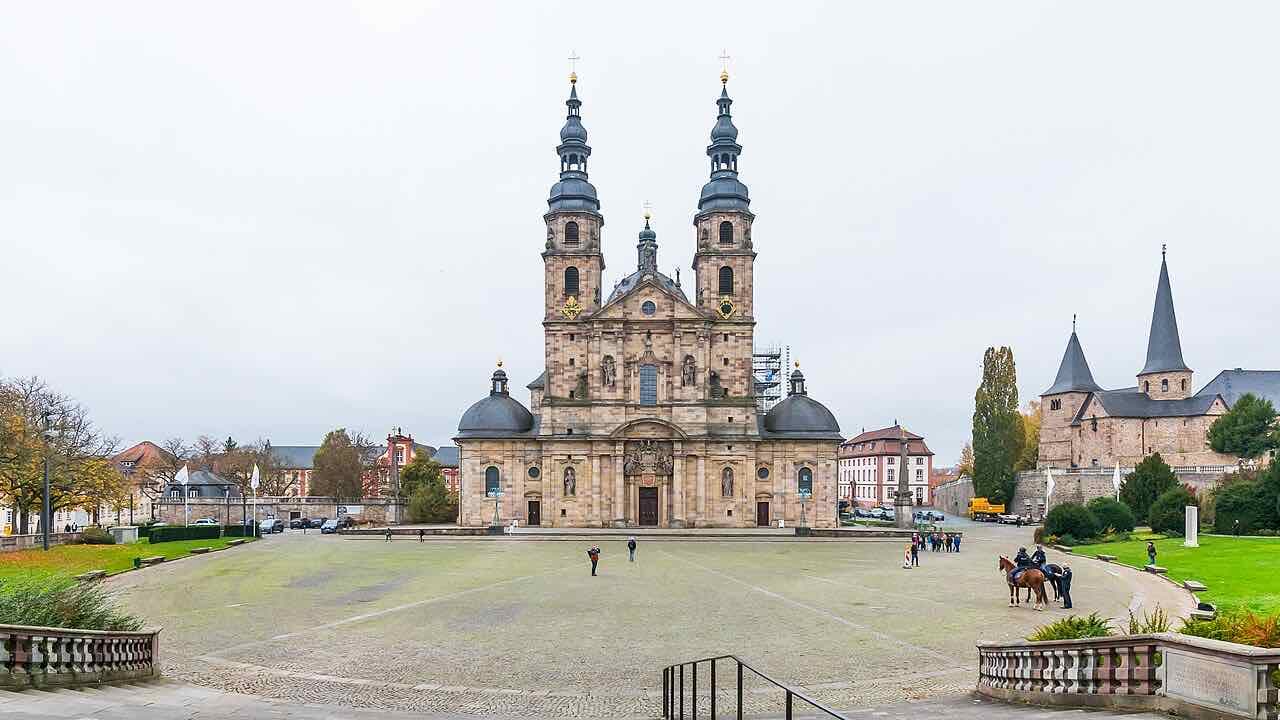
Fulda is a city of about 65,000 people in the north-east of Hesse, built around a monastery that was founded in 744, a baroque cathedral and a prince-abbots' palace. Hochschule Fulda sits on a campus of old barracks in the middle of town, a short walk from the cathedral square, and its own pages give more than 3,100 international students from over 90 countries and almost 10,000 students in total. Study here and you get a city small enough to cross on foot, a campus with a family feel, ten master's programmes that list English as a language of instruction, and the low hills of the Rhön biosphere reserve at the edge of town for your weekends. The price of that is that Fulda is not a metropolis: the consulates for your home country are in Frankfurt or Berlin, and the communities from your home country are small and mostly student-run, so you will make most of your friends on campus.
- Population
- 65,755 (31 Dec 2025) on 104.05 km2
- Distance to Frankfurt
- 108 km to the south-west; Frankfurt is also where the nearest consulates are
- Climate
- Cool temperate: January average 0.6 C, July average 17.7 C, about 665 mm of precipitation a year
- Students at Hochschule Fulda
- Almost 10,000 in total; over 3,100 international students from more than 90 countries
- Semester contribution
- About 400 EUR a semester, which includes the AStA and the Deutschland semester ticket
- Dorm rents (Studierendenwerk Gießen, Fulda)
- From 245 EUR to 906 EUR a month across six halls, depending on flat type
Part 1
Living in Fulda
A monastery town that turned baroque
Fulda starts with a monastery. Sturmius founded it in 744 on behalf of Boniface, the missionary who is buried here since 754, and in 774 Charlemagne gave the abbey the status of an imperial monastery. For the next thousand years the abbots were also the rulers of the surrounding territory, which is why the town has a palace and not just a church.
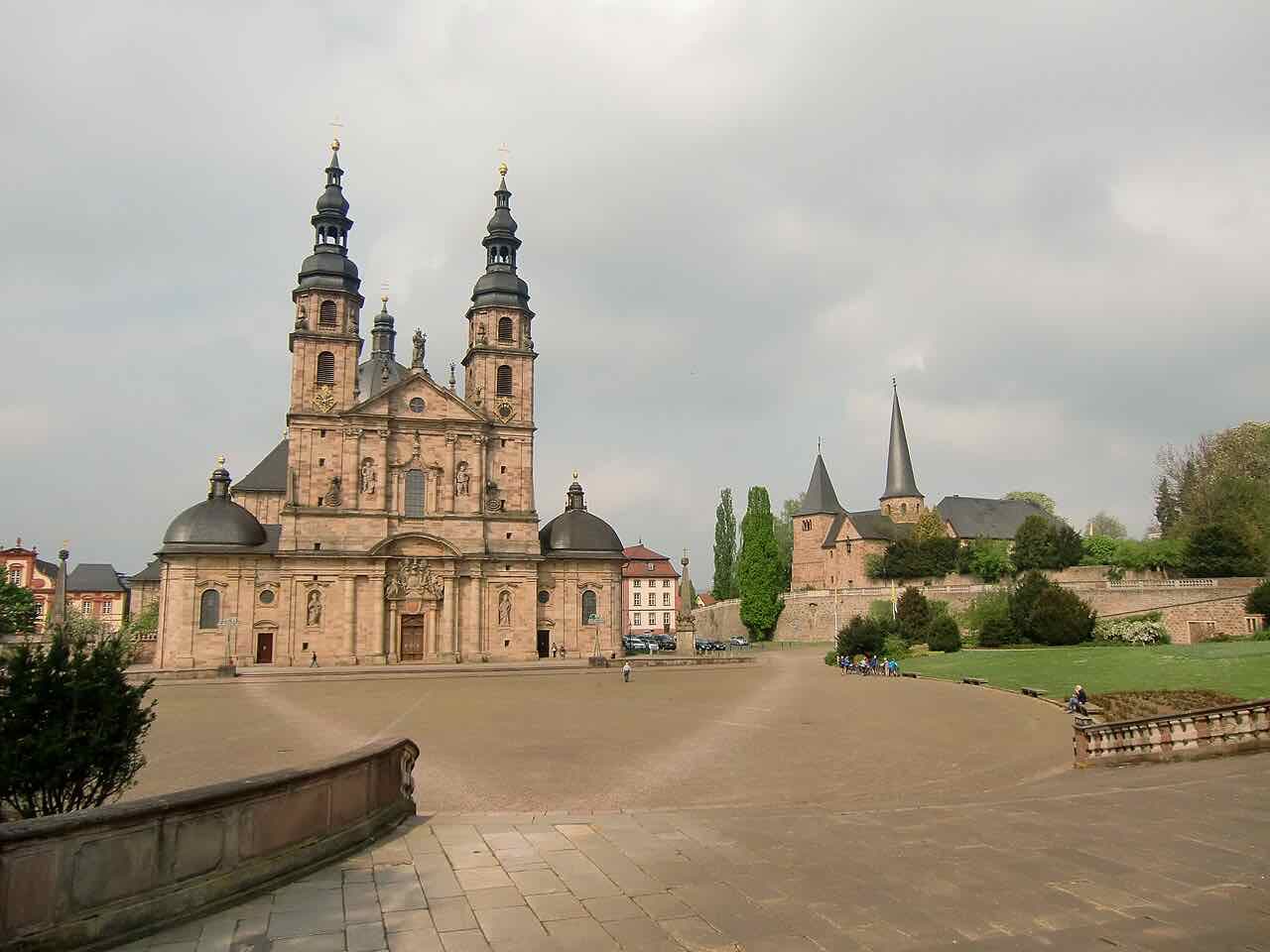
Around 1700 Prince-Abbot Adalbert von Schleifras had the Romanesque basilica replaced by today's cathedral and a new palace, both designed by Johann Dientzenhofer in the baroque style. The cathedral of St Salvator is the best-known landmark of Fulda, and the tourist office calls it the most important baroque church in Hesse. Between 1734 and 1805 the town also had a Catholic university with theology, philosophy, medicine and law, so students are not new here.
What you notice as a student is how compact it all is. The old town, the palace, the cathedral square and the station are all within walking distance of each other, and the campus sits only a little further out.
What to see in your first weeks
The tourist office groups the baroque district on one page, and you can do the lot in an afternoon.
Johann Dientzenhofer's cathedral, the city's best-known landmark, which the tourist office calls the most important baroque church in Hesse.
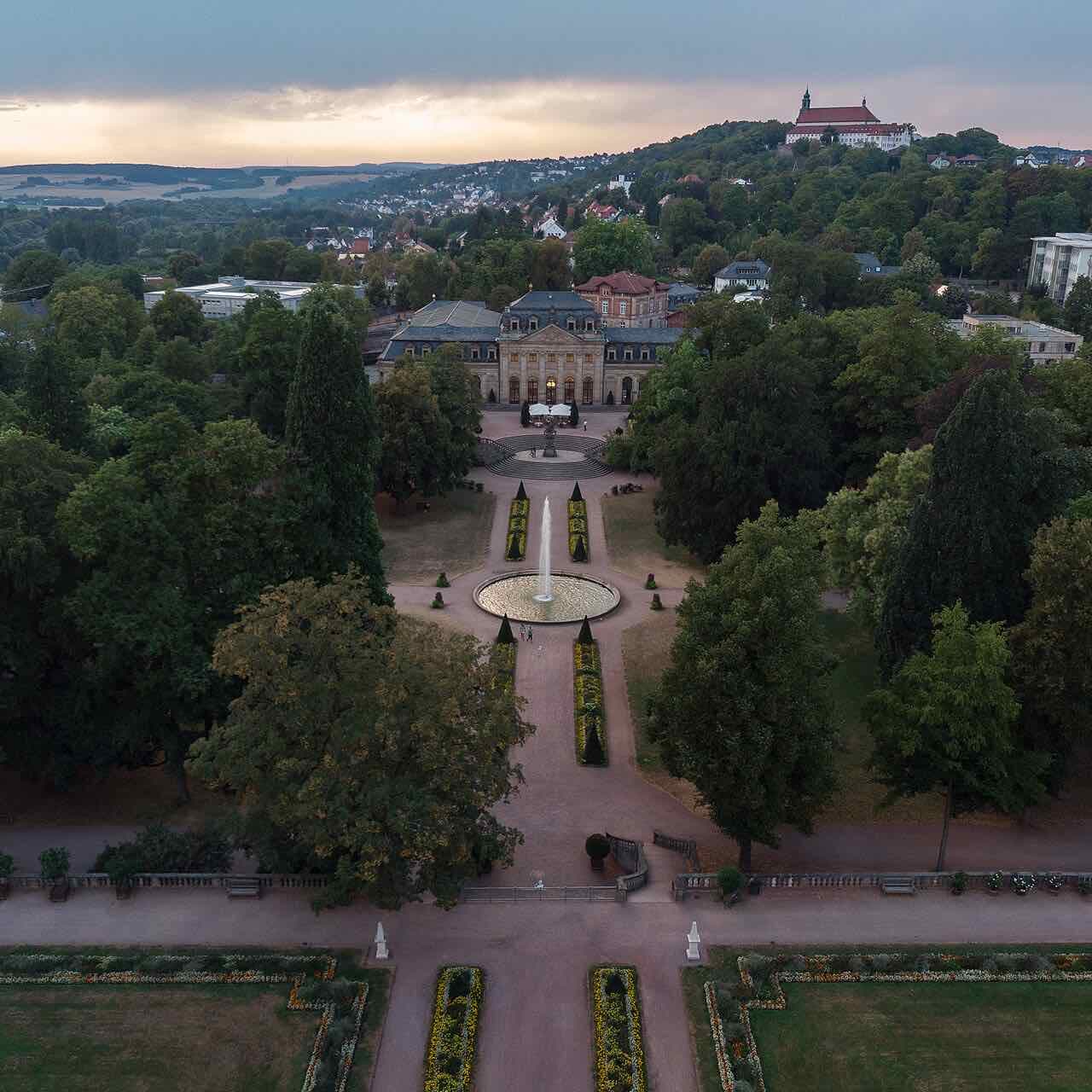
The residence of the prince-abbots and prince-bishops, expanded in the 18th century to plans by Dientzenhofer; the historic rooms are the part to visit.
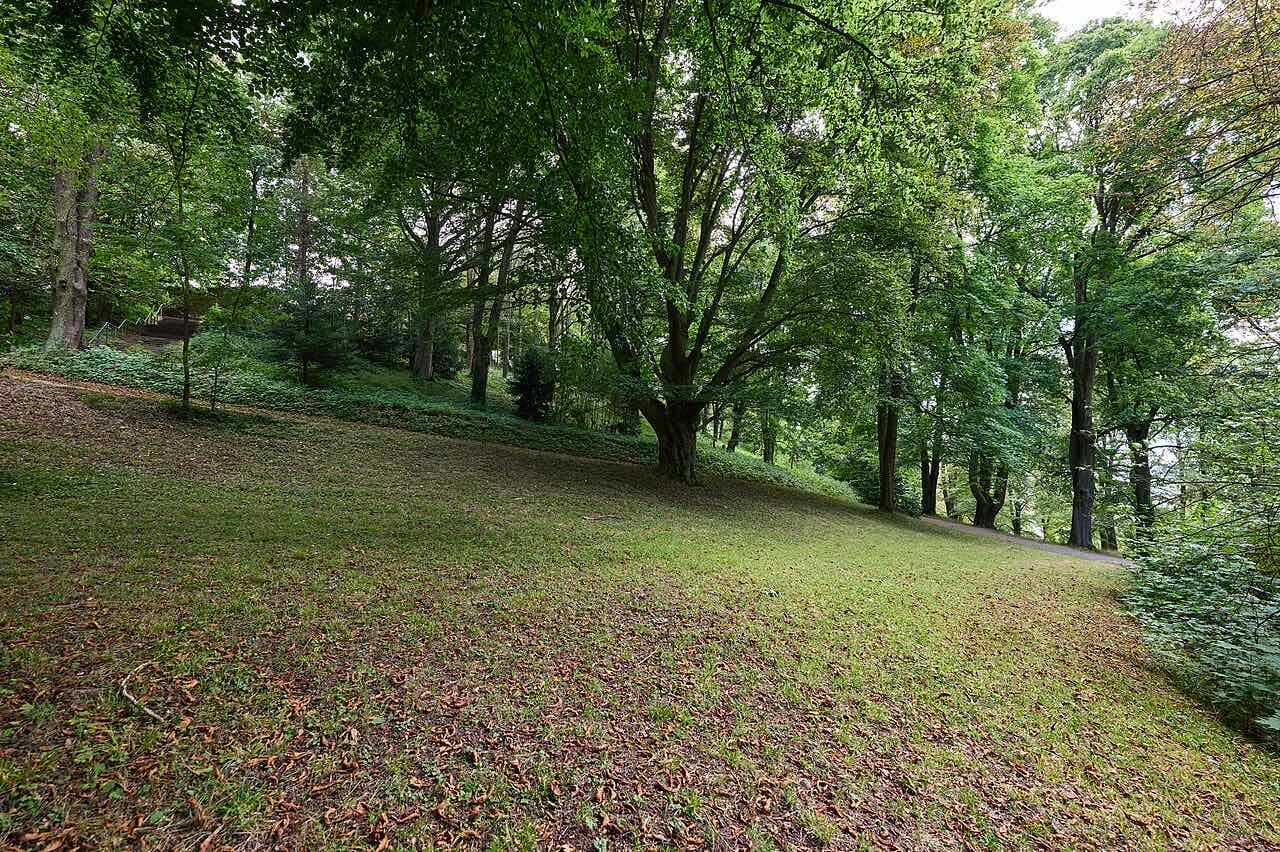
A baroque garden from the early 18th century between the palace and the Orangerie, where the prince-abbots held their summer festivals. Locals use it as a park for a break between lectures.
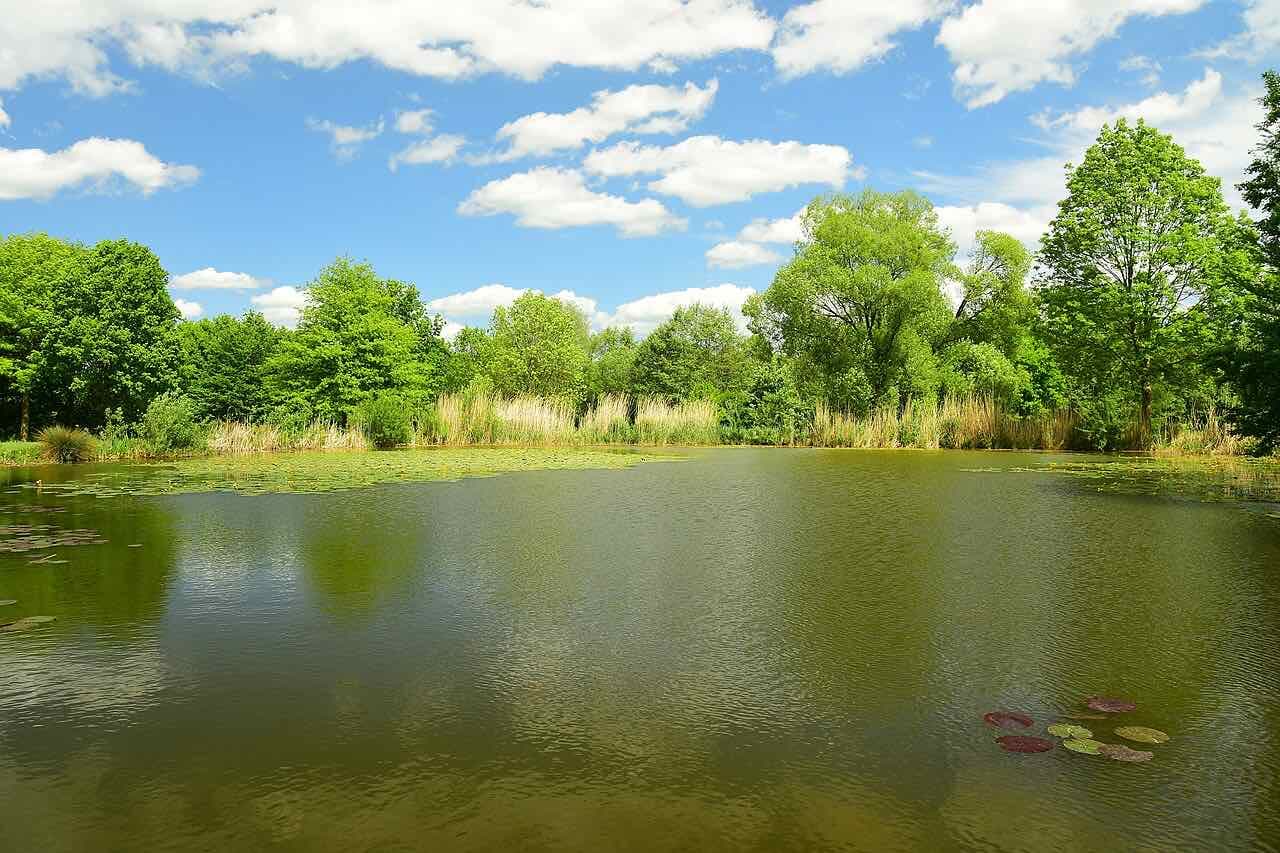
The river meadows a few minutes' walk from the centre, with space for cycling, skating and a fitness trail, and benches for doing nothing.
The Rhön on your doorstep
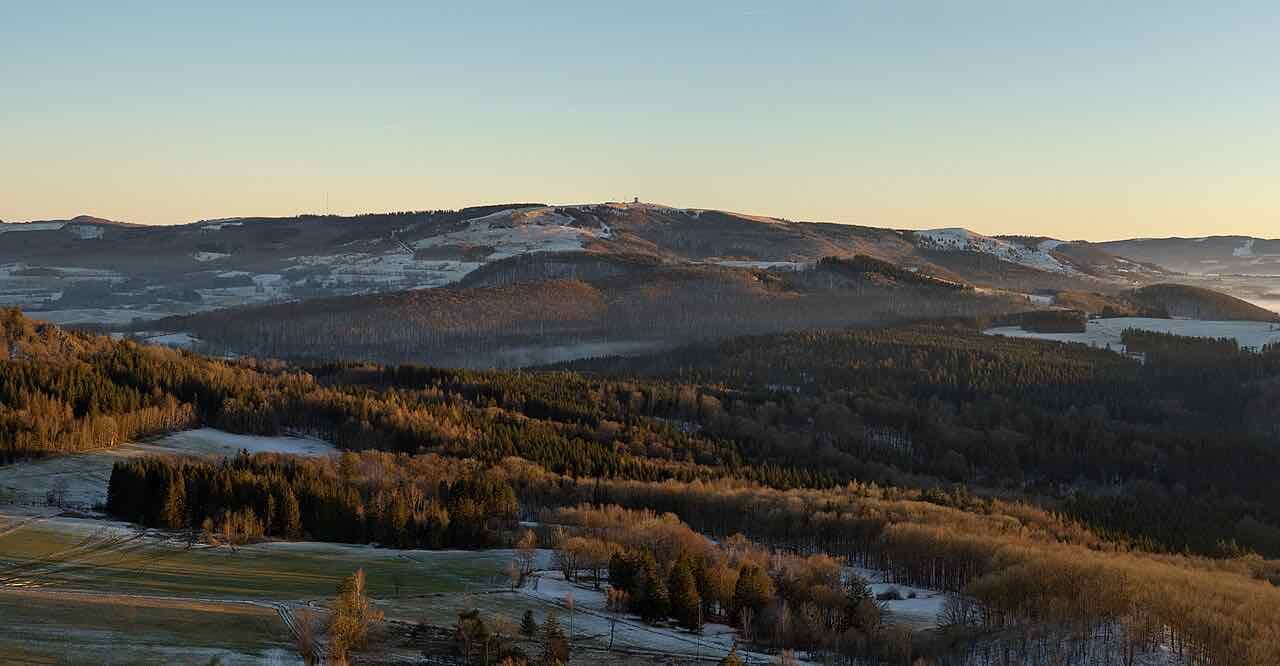
East of the city begins the Rhön, a low mountain range of rounded, open ridges that Hesse shares with Bavaria and Thuringia. UNESCO recognised it as a biosphere reserve in 1991, and the reserve covers just under 2,500 square kilometres. It includes the Schwarzes Moor and Rotes Moor bogs, a bog trail of 2.7 km at the Schwarzes Moor, and the Sternenpark Rhön, where the night sky is dark enough to be worth the trip. Former border-strip land in the three-state corner is now hiking and cycling country.
Hochschule Fulda uses this landscape for its own events: the orientation week ends with a weekend excursion to the Rhön with intercultural training and a hike, and University Sports runs RHÖNSTEPS, a platform of guided outings, digital hiking routes and a partner exchange for finding someone to go with. Local food is also a Rhön thing; the tourist office names Rhönforelle (trout) and Rhönschaf (lamb) as regional specialities.
Culture, festivals and rainy days
A town of this size has a surprising number of stages and museums. All of this is named on Wikipedia's page for Fulda.
690 seats and no ensemble of its own; it hosts touring productions and has premiered several musicals, and a Musicalsommer has run here since 2014.
The Deutsches Feuerwehr-Museum (1,600 m2 of exhibition space), the Dommuseum, the Vonderau Museum with its planetarium, and the Blackhorse Museum.
Thirteen carnival clubs, and the largest Rosenmontag parade in Hesse; the Schützen- und Volksfest draws about 120,000 visitors.
Getting around and getting out
Inside the city you walk or cycle. The Deutschland semester ticket is part of your semester contribution (check on the AStA site exactly where it is valid); the tourist office describes Fulda as an ICE station with many connections, and regional buses run on the RMV network. Check current timetables and the exact area your ticket covers on the Deutsche Bahn and RMV pages before you plan a trip.
Frankfurt is 108 km away to the south-west, and the Bavarian border is 15 km and the Thuringian border 25 km from the city. By car, the A 7 runs north–south past Fulda and the A 66 leads towards Frankfurt.
What your month costs
- Estimated monthly costs, all in
- About 1,000 EURsource
- Rent and ancillary costs (university estimate)
- 500 EURsource
- Rent the International Office tells you to expect
- Around 410 EUR a monthsource
- Health insurance
- About 140 EURsource
- Food and drink
- About 180 EURsource
- Leisure, culture, sport
- About 60 EURsource
- Mensa main dishes (student price, one day in October 2026)
- Pasta from 2.50 EUR, Kichererbsen Tikka Masala 2.70 EUR, a breaded chicken schnitzel 3.30 EURsource
- Proof of funds for a residence permit
- At least 990 EUR a monthsource
Hochschule Fulda has no tuition fees, only the semester contribution. These are the university's own planning figures and one real canteen menu, so your own costs depend on your room.
Work after the lectures
Students from EU countries and Switzerland may work up to 20 hours a week during their studies. Students from outside the EU follow different rules, which the university's page for international students links to separately; ask the study advisor before you sign any job contract.
Fulda's economy is a mix of old and new names. Wikipedia lists the textile group Mehler and the Wirth group, the tyre maker Fulda Reifen, the supermarket chain tegut (headquartered here), the paper mill Adolf Jass, the sensor maker JUMO, the engineering firm EDAG and the energy supplier and regional bus operator RhönEnergie Fulda. Whether any of them hires students in your subject is a question for their own career pages, not something this page can promise.
Part 2
Student life in Fulda
Where you can study
Hochschule Fulda – University of Applied Sciences ↗
A public Hochschule for applied sciences, founded in 1974 as an independent Fachhochschule, with almost 10,000 students on a central campus of former barracks at Leipziger Straße 123. It has eight departments: Applied Computer Science, Electrical Engineering and Information Technology, Health Sciences, Life Science Technology, Nutritional, Food and Consumer Sciences, Social and Cultural Sciences, Social Work and Business. The university lists about 60 study programmes and continuing education courses. English is the language of instruction in five master's programmes (Data Science, Global Software Development, Human Rights Studies in Politics, Law and Society, International Food Business and Consumer Studies, and International Management) and shared with German in five more (Accounting, Finance, Controlling; Intercultural Communication and European Studies; Nutrition, Health and Food Systems; Public Health Nutrition; and Supply Chain Management). Check the programme page for the language of each course before you apply.
International office ↗A state-recognised academic Hochschule for Catholic theology at Eduard-Schick-Platz 2, with its library in the Domdechanei. It offers a Catholic theology degree and a teaching qualification for Catholic religion at Gymnasium level, together with the Catholic seminar in Marburg, and a few continuing-education courses. It is small and its main pages are in German, so it suits you only if you are set on Catholic theology and read German well; its pages mention an Erasmus section for exchange students, but no separate international office.
Student unions, services and groups
The general student committee, based on campus at Leipziger Straße 123 and open Monday to Friday 9 to 16 h. Its website covers the first-year week, its services, events and a calendar, and the AStA also runs a housing board for rooms and flats.
A listings board for sublets, rooms and flats for Hochschule Fulda students, searchable by distance to the university and size; landlords can register to post a listing.
Studierendenwerk Gießen – Mensa Hochschule Fulda ↗
The Studierendenwerk Gießen serves Hochschule Fulda as well as the Gießen universities. Its Mensa is at Marquardstraße 47 and it rents out six halls of residence in Fulda.
University sport with a course programme, drop-in sessions, short exercise breaks, a partner exchange and the RHÖNSTEPS outings in the Rhön. For winter semester 2026/27 the course programme went online on 5 October and registration for members opened on 12 October.
International Student Advisory Group (ISAG) ↗
Student-run, by students for students: international students raise concerns, exchange advice and push the university on housing, integration and student welfare.
Buddy Programme of the International Office ↗
Pairs new international students with experienced students for the first weeks; free for both sides, run by the International Office, and registration is online before the semester starts.
A group for African students and anyone interested in African culture, with events such as Afro Day and BBQs and help for newcomers with studying and life in Germany.
Bangladeshi Students in Fulda (BSiF) ↗
Helps newly arrived Bangladeshi students with studying, accommodation and everyday life, and organises Pohela Boishakh, Eid celebrations and summer BBQs.
ESG Fulda – Protestant student community ↗
Weekly community evenings with meals, singing and discussion, small groups, and a student pastor you can talk to in confidence; the group lists an SMD-International meeting on Thursday evenings.
KHG Fulda – Catholic university community ↗
At Liobastraße 2: worship, Taizé prayer, pastoral care and relaxed evenings, open also to people of other faiths and to people with doubts; it has an English information section and an emergency aid fund.
A Christian student group of mixed denominations, part of a nationwide network, meeting for meals, talks and exchange; everyone is welcome.
All recognised student initiatives ↗
The university lists fifteen recognised groups plus faith communities and sustainability groups, from Amnesty and UNICEF groups to the Fulda UN Club and a racing team.
Campus and study culture
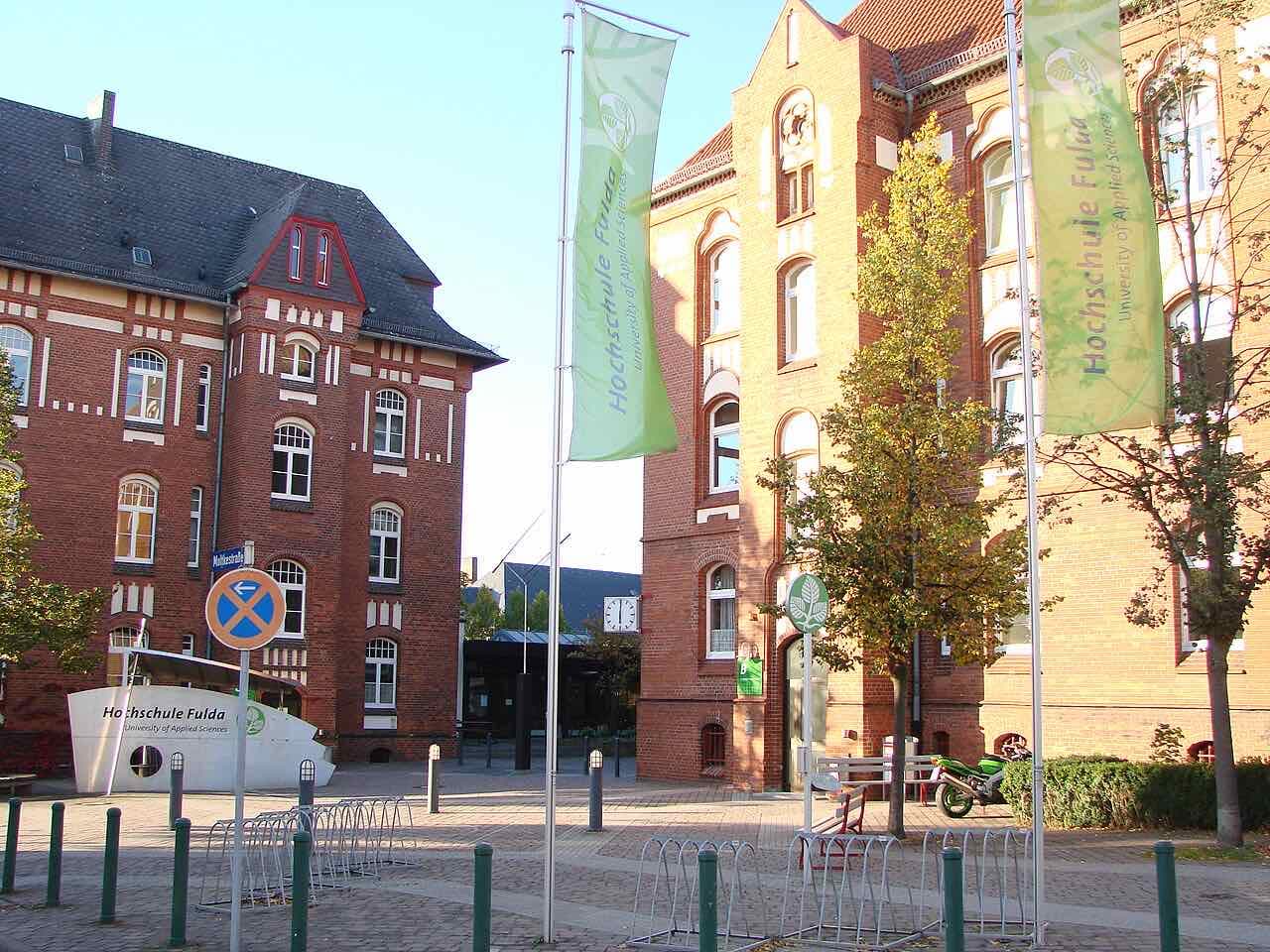
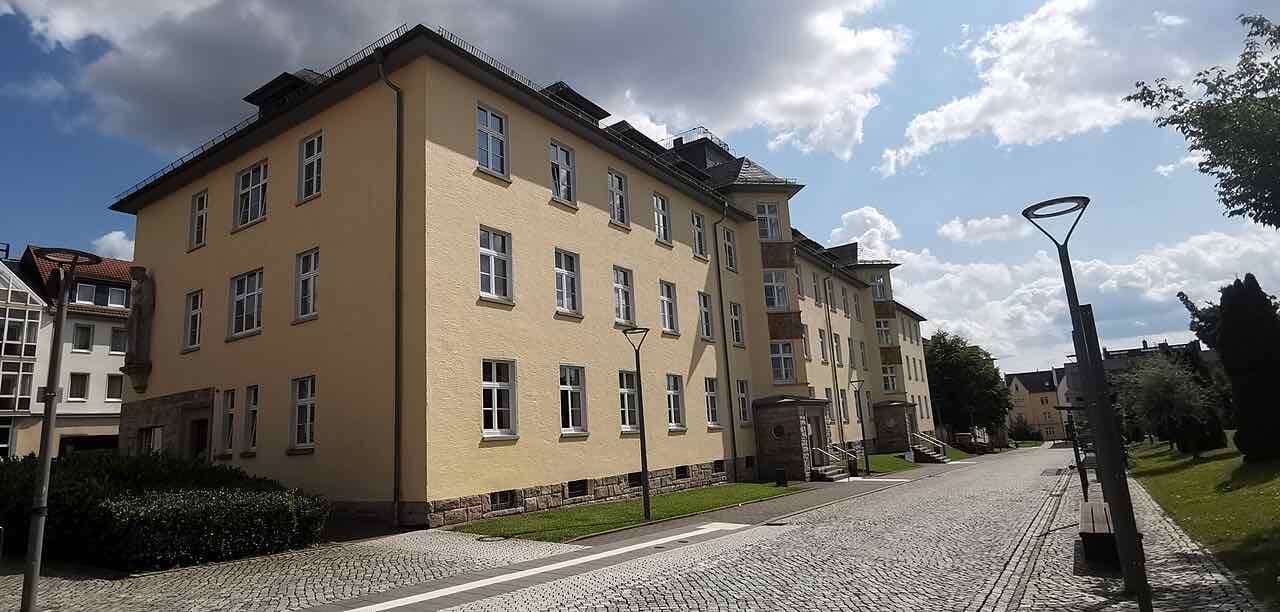
The campus is the former barracks, built in the late 19th century, and many of the buildings are under monument protection. Its centre is a plane-tree courtyard between the library, the cafeteria and the Student Service Centre, and the whole thing is small enough that departments share corridors and a lecturer is rarely far from a student. The university describes itself as having a family feel despite its size.
Teaching is practice-oriented, as at any German university of applied sciences, and the university also offers dual-study programmes next to its regular degrees. Hochschule Fulda also has the right to award doctorates in the social sciences, the first university of applied sciences in Germany to receive it, in 2016, according to Wikipedia.
On campus
Finding a room
Rooms in Fulda are tight at the start of each semester, so start before you arrive.
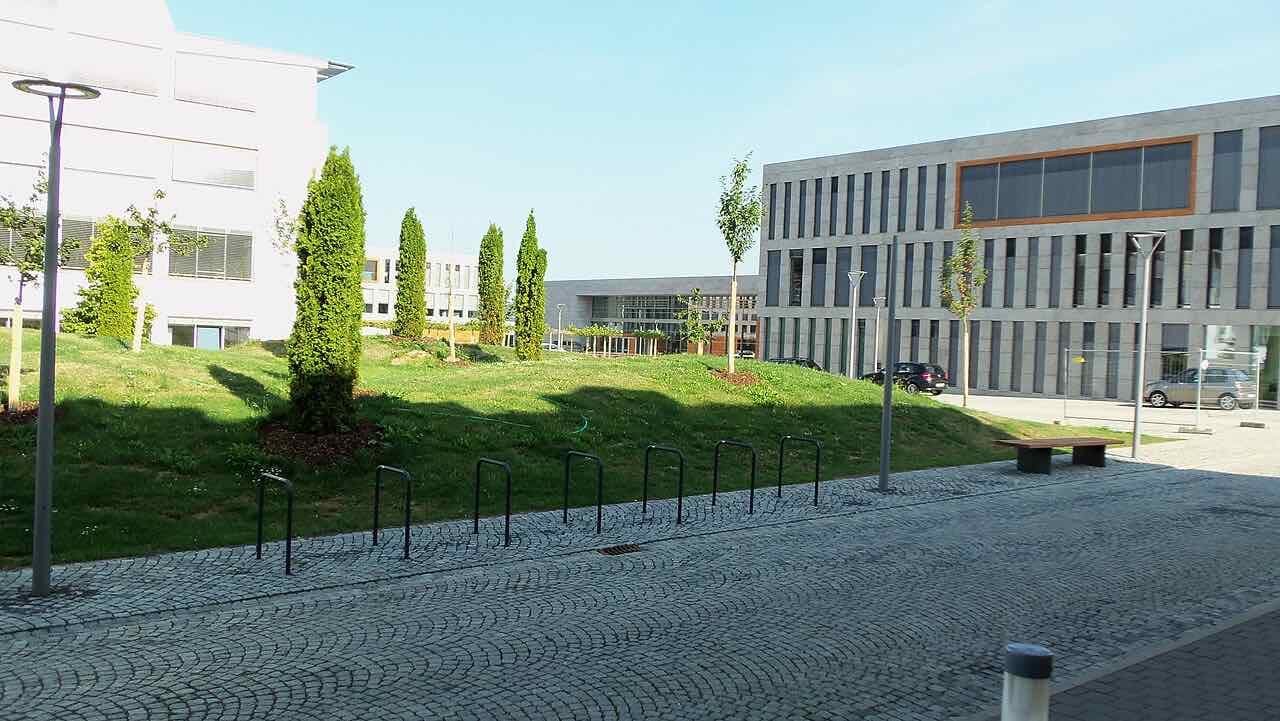
Six halls in Fulda: Campusviertel (369 to 519 EUR), Heinrich-von-Bibra-Platz (245 to 906 EUR), Leipziger Straße (390 to 429 EUR), Magdeburger Straße (416 EUR), Trimburgstraße (412 to 464 EUR) and Wiesenmühlenstraße (336 to 622 EUR). The page gives the amounts without a payment period; apply online as soon as you have an admission notice, because demand is high.
Accommodation service of the International Office ↗
Email the office and you get an overview of halls, private flats and short-term accommodation with search tips, and you are added to a list that forwards private offers. It does not rent flats itself.
The International Office says regional trains RE 50, RB 5 and RB 45 can make the university about as quick to reach from a nearby village, and rents there are often lower.
Accommodation adverts from the Studierendenwerk.
Food, sport and evenings
The Mensa at Marquardstraße 47 serves lunch from 11.15 to 14.00 on weekdays and from 11.30 on Saturdays, with a pasta offer from 14.00 to 16.00 and dinner from 16.00 to 19.00. On the day this was checked the student prices ran from 2.50 EUR for pasta with a cheddar or tomato sauce up to 4.50 EUR for fish, with chickpea tikka masala at 2.70 EUR and a salad bowl at 4.05 EUR.
University sport is the easiest way into a team or a hiking group: the programme includes courses, drop-in sessions on campus, a partner exchange, a cycling semester and a university run. Participation in the partner exchange and the drop-in sessions is free; for course fees read the terms of participation. For evenings, the orientation week has a pub night, a game night, bowling and a city rally, and the AStA runs events and a calendar; the university's own pages do not publish a list of venues, so ask your tutor group.
Your first weeks
- 1
Before you arrive
Apply for a visa at the German mission in your home country; do not enter on a tourist visa, which cannot be turned into a study visa. Apply for a hall room and email the International Office accommodation service.
- 2
Week 1
Join the orientation week (5 to 11 October in winter 2026/27): visa and jobs info sessions in German and English, a campus tour, a pop-up Citizens' Office for registration, bank account support and a city rally. Bank account support runs on several days; register with the tutor team.
- 3
Week 1 to 2
Register your address at the Bürgerbüro, Schlossstraße 1, entrance A. It works by appointment only; book through the city's online system or write to buergerbuero@fulda.de to ask which documents to bring.
- 4
Week 2 to 4
Apply for your residence permit at the Ausländerbehörde of the Landkreis Fulda, Landratsamt, Wörthstraße 15. The International Office helps with this during the orientation week. The university gives fees of 100 EUR (under one year), 110 EUR (one to two years) and 80 EUR for an extension; apply for an extension at least two months before the permit ends.
- 5
Week 2 to 4
Sort health insurance. Contributions run from your enrolment date, even if you are not yet in Germany; with private insurance you still need a statutory insurer to send the M10 notice to the Student Administration Office.
- 6
First month
Write to the buddy programme, join one student group and sign up for a sports course.
Where you come from matters here
Pick your home country: food, faith, community groups and the consulate that serves you, checked 21 October 2026.
🇮🇳 Living in Fulda as an Indian student
Fulda has no Indian student association on the university's list. The consulate in Frankfurt does passport and attestation work, and the buddy programme is the quickest route to people who have done your first weeks before.
Consulate General of India, Frankfurt ↗
Passport, visa, OCI and attestation services with online appointments, and a page for Indian students going to Germany.
Buddy Programme of the International Office ↗
A free pairing with an experienced student who helps with studies, German culture and making friends.
🇳🇬 Living in Fulda as a Nigerian student
There is no Nigerian association listed by the university in Fulda, but the African Community on campus is open to everyone and runs Afro Day and BBQs. For passport and visa matters you go to Berlin.
Welcomes students from Africa, people with African roots and allies; helps newcomers find their way and shares tips on studying, living in Germany and finding a job.
Neue Jakobstraße 4, 10179 Berlin. Passport appointments are booked through the Nigeria Immigration site; visa applications go through VFS at Zimmerstraße 68, and the site also lists a Consulate General in Frankfurt.
🇧🇩 Living in Fulda as a Bangladeshi student
Bangladeshi students have their own group at the university, which is unusual for a town of this size.
Bangladeshi Students in Fulda (BSiF) ↗
Helps new arrivals with studies, accommodation and daily life, and organises Pohela Boishakh, Eid celebrations and summer BBQs; open to everyone.
International Student Advisory Group ↗
A student-run group where international students bring up problems with housing, integration and student welfare and track what the university does about them.
🇳🇵 Living in Fulda as a Nepali student
No Nepali group appears among Fulda's recognised student groups, and Nepal's embassy for Germany is in Berlin; the International Student Advisory Group is the place to ask whether other Nepali students are already organised.
Guerickestraße 27, 10587 Berlin; passports, visas, travel documents, power of attorney and document attestation, with consular enquiries by email.
International Student Advisory Group ↗
International students represent each other to the university; contact them through the button on the group's page.
🇵🇰 Living in Fulda as a Pakistani student
The university lists an Islamic student community, and the consulate general for Pakistani students is in Frankfurt.
Consulate General of Pakistan, Frankfurt ↗
Eschenbachstraße 28, 60596 Frankfurt am Main, phone 069 69867850; consular services and guidance for the Pakistani community.
Student initiatives list: Islamic Community ↗
The university's list of student groups includes an Islamic Community at Hochschule Fulda, next to the Protestant and Catholic student communities; the list links its page for details.
🇨🇲 Living in Fulda as a Cameroonian student
Fulda has no Cameroonian association that the university lists; the African Community on campus is the nearest group, and the embassy that covers Germany is in the capital.
Embassy of Cameroon in Germany ↗
Serves Germany and nine other countries (Austria, Estonia, Latvia, Lithuania, North Macedonia, Montenegro, Poland and the Czech Republic); the site is in English, French and German.
Open to all African students and anyone interested in African culture; contact them by email or on Instagram through the group's page.
🇨🇳 Living in Fulda as a Chinese student
The university lists no Chinese student association in Fulda. Consular matters go through the Chinese consulate general in Frankfurt.
Consulate General of the People's Republic of China, Frankfurt ↗
Consular services, notices and information for Chinese citizens in its district; the site is mainly in Chinese.
Orientation week of Hochschule Fulda ↗
A programme that includes visa and jobs sessions in German and English, a city rally, and a weekend in the Rhön with intercultural training.
English-taught programmes in Fulda
Soonest open deadline first. Every entry links to its official source.
- Global HealthFulda University of Applied Sciences · FuldabachelorNo tuition15 Dec 2026Closing soon
- International Business & ManagementFulda University of Applied Sciences · FuldabachelorNo tuition15 Jun 2027Open
- Industrial Engineering Life SciencesFulda University of Applied Sciences · FuldabachelorNo tuition15 Jul 2027Open
- Food TechnologyFulda University of Applied Sciences · FuldabachelorNo tuition15 Jul 2027Open
- Industrial BiotechnologyFulda University of Applied Sciences · FuldabachelorNo tuition15 Jul 2027Open
- Global Software Development (MSc)Fulda University of Applied Sciences · FuldamasterNo tuitionSee sourceCheck source
- Data ScienceFulda University of Applied Sciences · FuldamasterNo tuitionSee sourceCheck source
- Human Rights Studies in Politics, Law and SocietyFulda University of Applied Sciences · FuldamasterNo tuitionSee sourceCheck source
- Intercultural Communication and European Studies (ICEUS)Fulda University of Applied Sciences · FuldamasterNo tuitionSee sourceCheck source
- International Food Business and Consumer Studies (IFBC)Fulda University of Applied Sciences · FuldamasterNo tuitionSee sourceCheck source
- International ManagementFulda University of Applied Sciences · FuldamasterNo tuitionSee sourceCheck source
- Nutrition, Health and Food SystemsFulda University of Applied Sciences · FuldamasterNo tuition30 Sept 2026Deadline passed
- Social Sciences for Intercultural RelationsFulda University of Applied Sciences · FuldabachelorNo tuition30 Sept 2026Deadline passed
Is Fulda right for you? Ask us. Free.
Tell us your passport, grades and budget. We compare Fulda with the other places you could study, then apply for you. You never pay us.
Get my free plan