Studying in Thuringia, Germany
Jena
A valley city on the Saale with an optics industry, two universities and wooded hills in every direction.
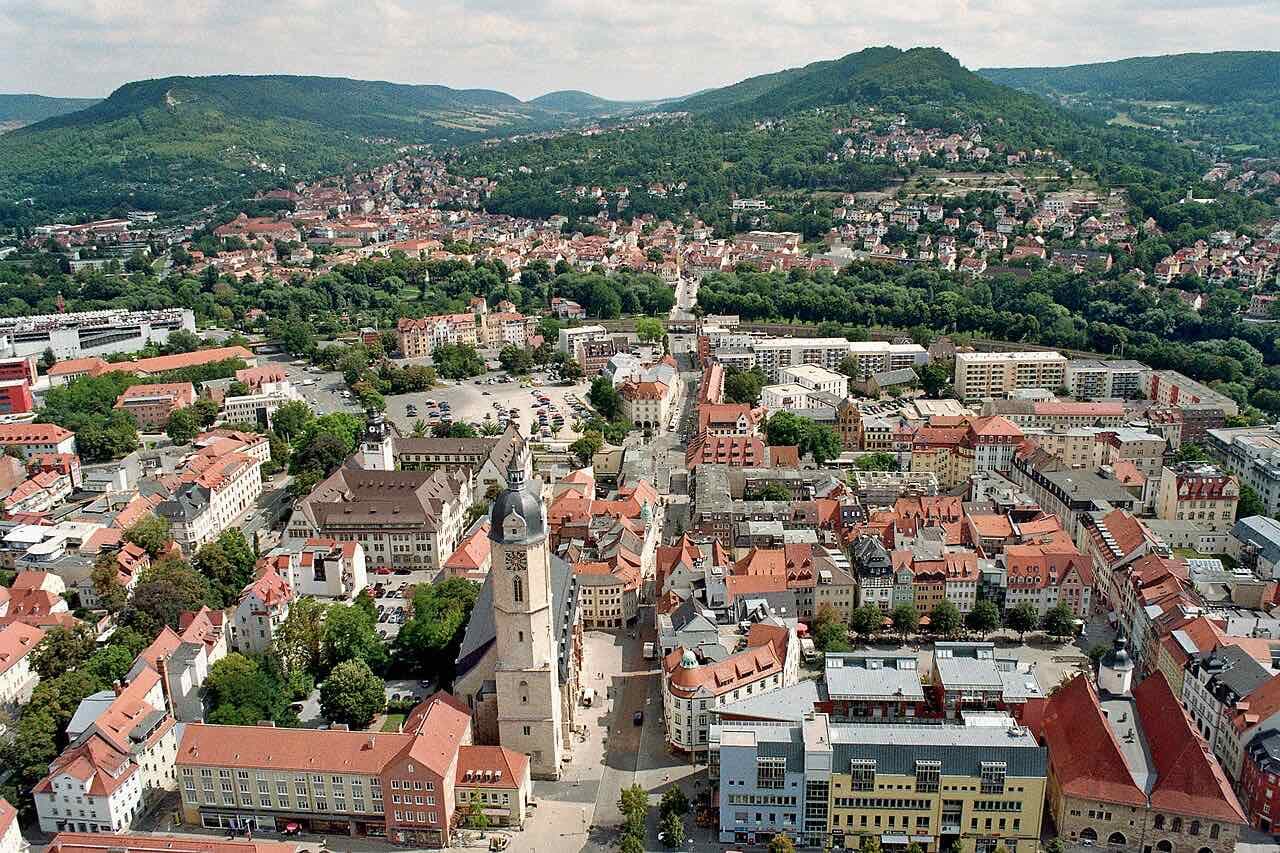
Jena is the second-largest city in Thuringia, about 109,000 people in a narrow stretch of the Saale valley with steep limestone hills on both sides. Its university was founded in 1558 and has about 17,000 students, and a second, applied-sciences university adds around 4,200 more, so a lot of the people you meet on the tram are studying. Carl Zeiss, Ernst Abbe and Otto Schott built their optical workshops and glassworks here in the nineteenth century, and Zeiss, Schott and Jenoptik are still part of the city. Your days will be short distances between campus buildings, canteens and a river; your weekends can be a hike up to a hilltop tower, a summer open-air concert or a train to Weimar or Erfurt.
- Population
- 109,353 on 31 December 2025
- Semester contribution, winter 2026/27
- EUR 353.05 at the university; EUR 350.05 at the Ernst-Abbe-Hochschule, which includes the Germany-wide semester ticket
Part 1
Living in Jena
A valley with hills on every side
Jena lies on the middle Saale, between slopes of shell limestone and red sandstone, at about 143 metres above sea level. The hills are not far away: the Kernberge east of the river reach 366 metres at the Sophienhöhe, and the Hummelsberg is listed at 375 metres. That shape explains a lot about daily life here. The centre is compact, and from almost anywhere in town you can see a wooded edge a short walk or a short tram ride away.
The city has about 109,000 residents, and the university alone counts 17,015 students, so Jena behaves like a student town even though it is large enough to have its own industry, a philharmonic orchestra and a concert hall in a former railway site. It was first mentioned in 1182, got town rights around 1230, and the university followed in 1558. Allied bombing in 1945 destroyed much of the medieval centre, which is why the old town is a mix of surviving Gothic buildings and later rebuilding.
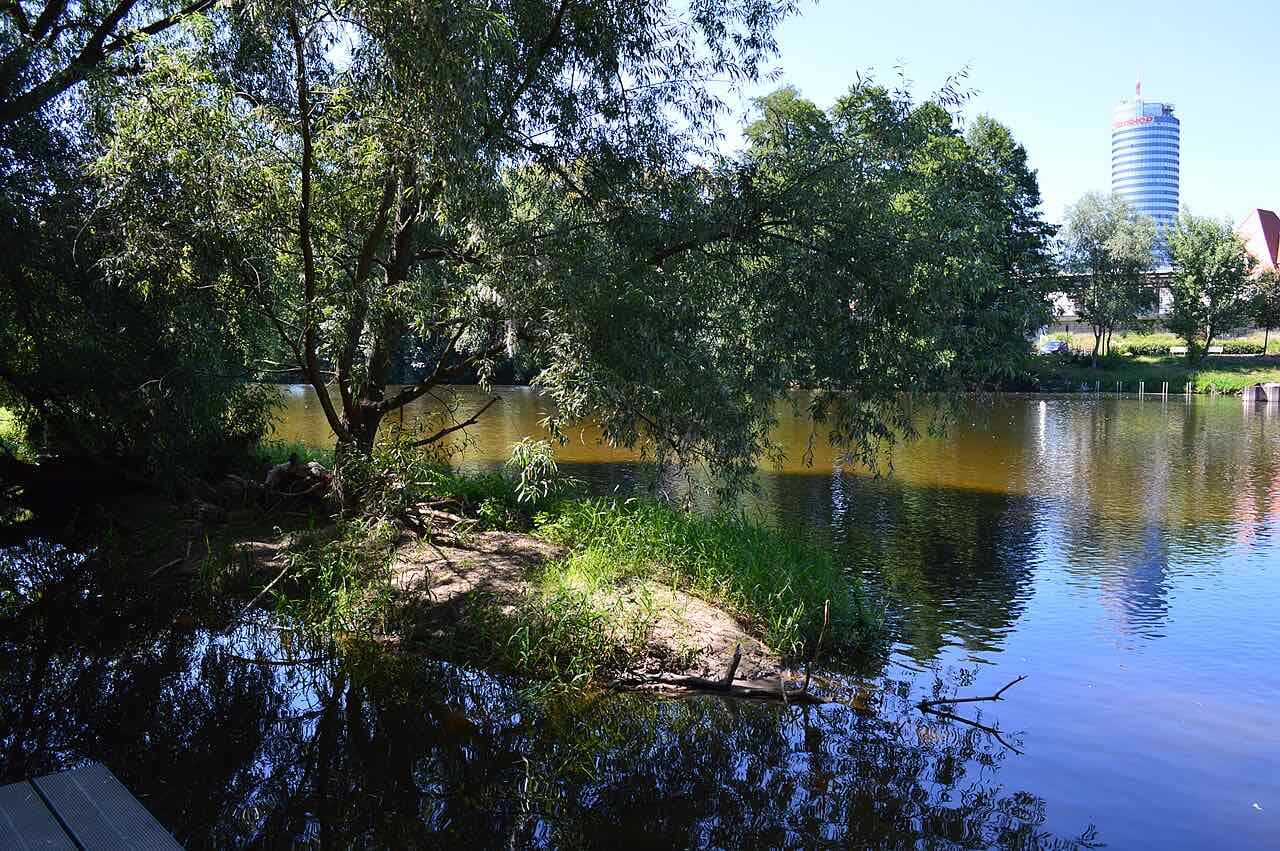
Jena was in the GDR from 1949 and became part of Thuringia again after 1990. The 159.6-metre JenTower, finished in 1972 and now used for offices with a restaurant on the 28th and 29th floors since 2001, still defines the skyline.
The city of light: Zeiss, Abbe and Schott
Carl Zeiss founded his workshop in Jena in 1846 and was making microscopes full time by 1847. Physicist Ernst Abbe joined him and worked with the glass chemist Otto Schott to design much better lenses. Schott answered Abbe's call for better optical glass by founding a glassworks in Jena, which began producing new optical glass in 1888, and the Schott company traces its founding to 1884. After Zeiss died in 1889 the firm passed to a foundation, the Carl-Zeiss-Stiftung.
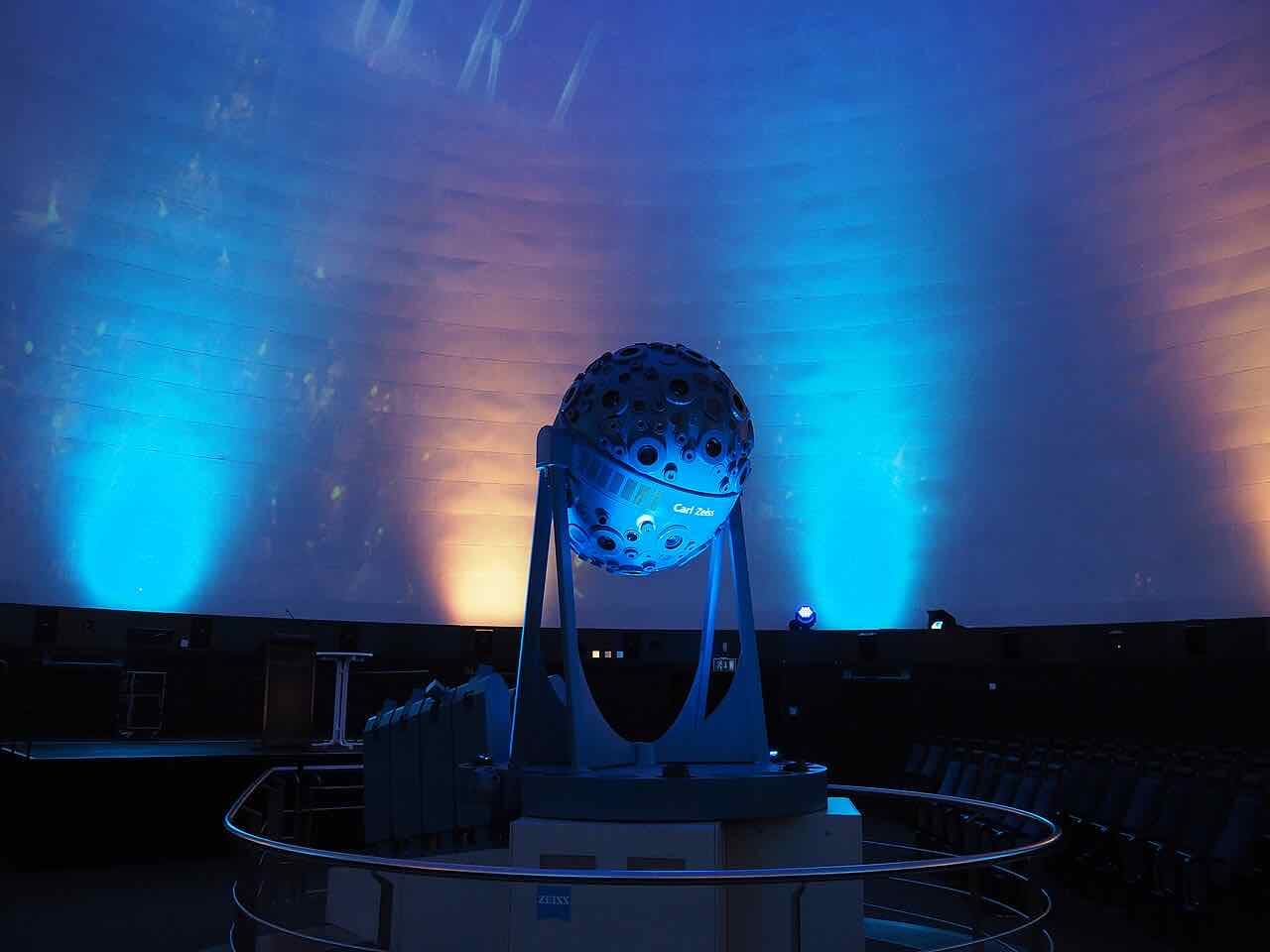
That history is still visible. Jena is the second-largest Zeiss site and its founding location; the company headquarters is in Oberkochen, but after reunification the microscopy and planetarium divisions moved back to Jena. Jenoptik, a photonics group, has its headquarters here and about 4,500 employees worldwide. Schott has its headquarters in Mainz but was born in Jena. The Zeiss planetarium opened in 1926 and is one of the first large planetaria in the world.
Why it matters for you: if you study physics, engineering, chemistry or biotechnology, optical companies and several research institutes are in the same city as your university. Check each one's own job and thesis pages for what they offer students.
Employers and research institutes
Research institutes are not universities and do not enrol students, but they hire student assistants, host theses and run doctoral programmes with the universities. Check each institute's own job page; none of these pages promised student jobs.
A global photonics technology group headquartered in Jena, with about 4,500 employees worldwide and revenue of 1,046 million euros in fiscal year 2025. Its main fields are semiconductor technology, medical technology, metrology and smart mobility.
The company was founded in Jena in 1846 and Jena is its second-largest site; the headquarters is in Oberkochen. The group's site shows its careers section.
The special-glass maker was founded in Jena in 1884 as a glass technology laboratory and is today headquartered in Mainz. It reports sales of 2.83 billion euros for 2024/25.
Fraunhofer Institute for Applied Optics and Precision Engineering IOF ↗
Application-oriented research in optics and photonics, from laser and fibre technology to imaging and sensing. It takes part in the Jena Long Night of Science; the 2026 date was announced as 20 November.
Max Planck Institute for Biogeochemistry ↗
Studies how organisms, including humans, exchange water, carbon, nutrients and energy with their environment, in three departments, with an international graduate school (IMPRS).
Leibniz Institute for Natural Product Research and Infection Biology (Leibniz-HKI) ↗
Researches microbial natural products and infection biology, with a focus on human-pathogenic fungi. Visiting address Beutenbergstraße 11a.
A job portal from the city's economic development team that collects daily job offers from Jena companies and institutions. Most listings are in German.
What to see and do
Shows for adults and families, including 360-degree and music shows, and a restaurant and bistro in the same building. It marks 100 years in 2026. The step-free access currently runs through a temporary ramp at the main entrance because of building work outside.
A medieval keep from the twelfth century on the Hausberg, 30 metres tall, which you can climb as a lookout tower. The house next to it, built in 1868, holds a restaurant.
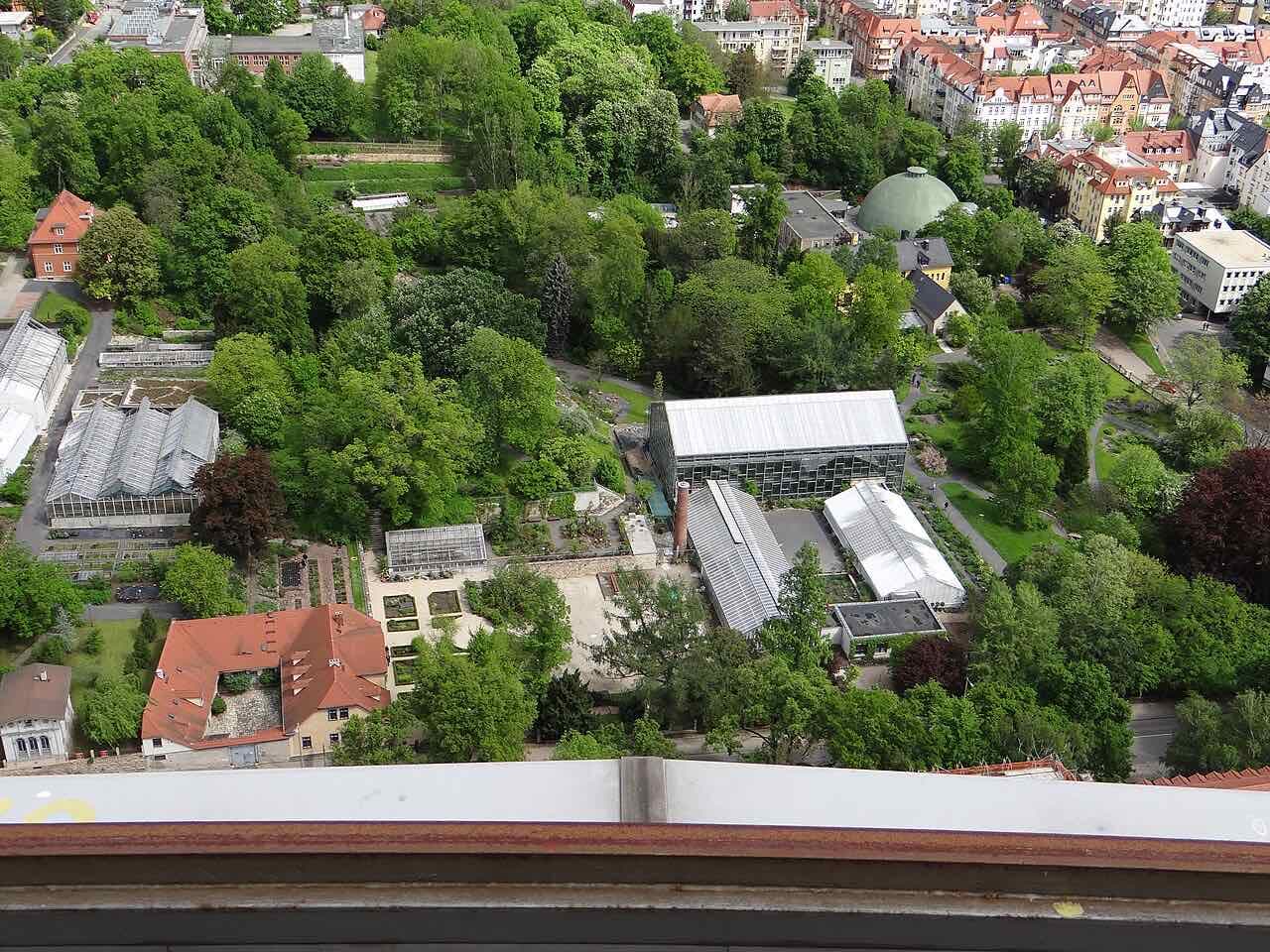
Laid out in 1586 as a medicinal garden for the medical faculty, it is the second-oldest botanical garden in Germany after Leipzig. It covers 4.5 hectares and holds about 12,000 plants. Wikipedia states that entry is free for students of the University of Jena.
Stadtkirche St. Michael and the old town hall ↗
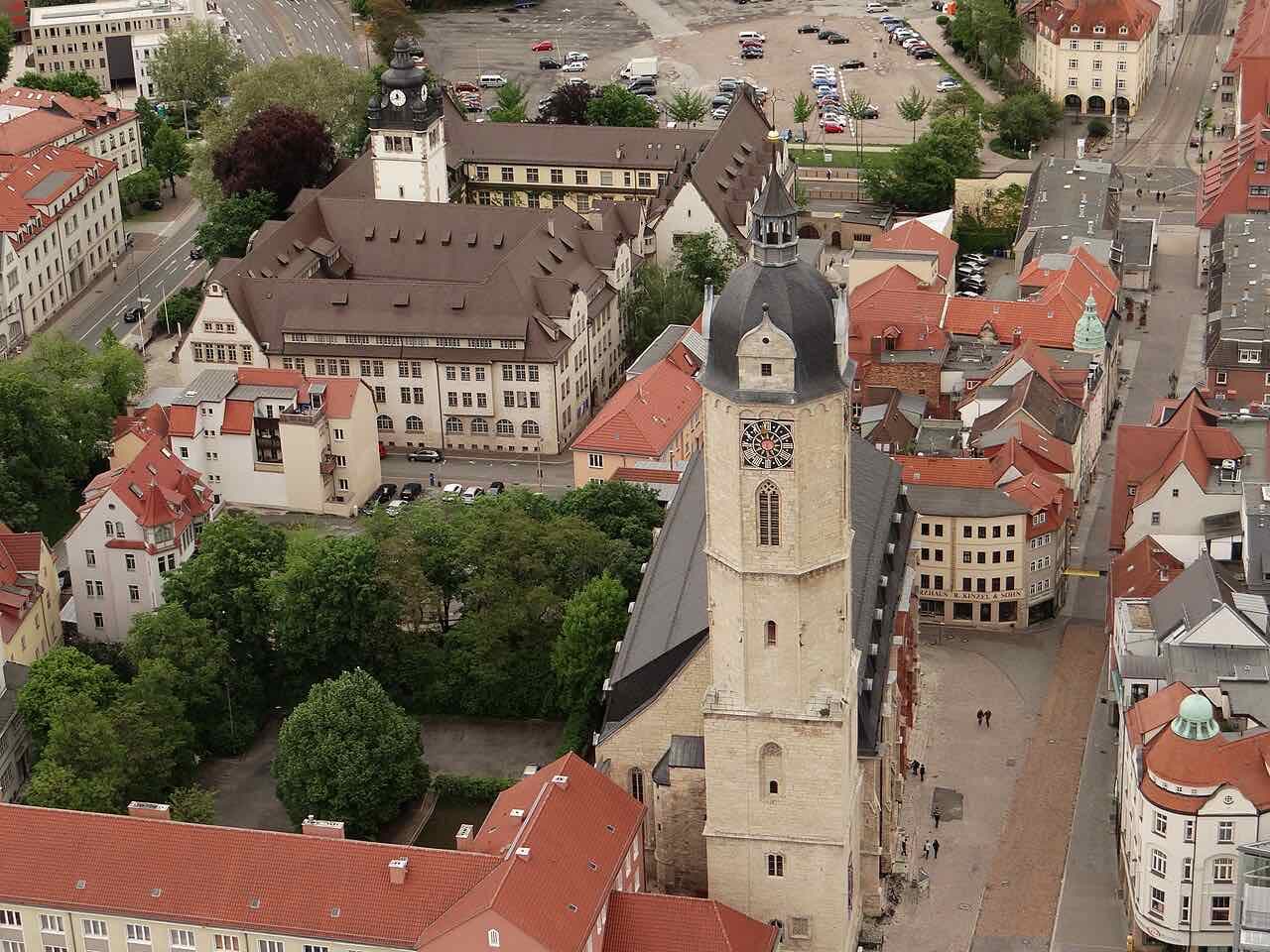
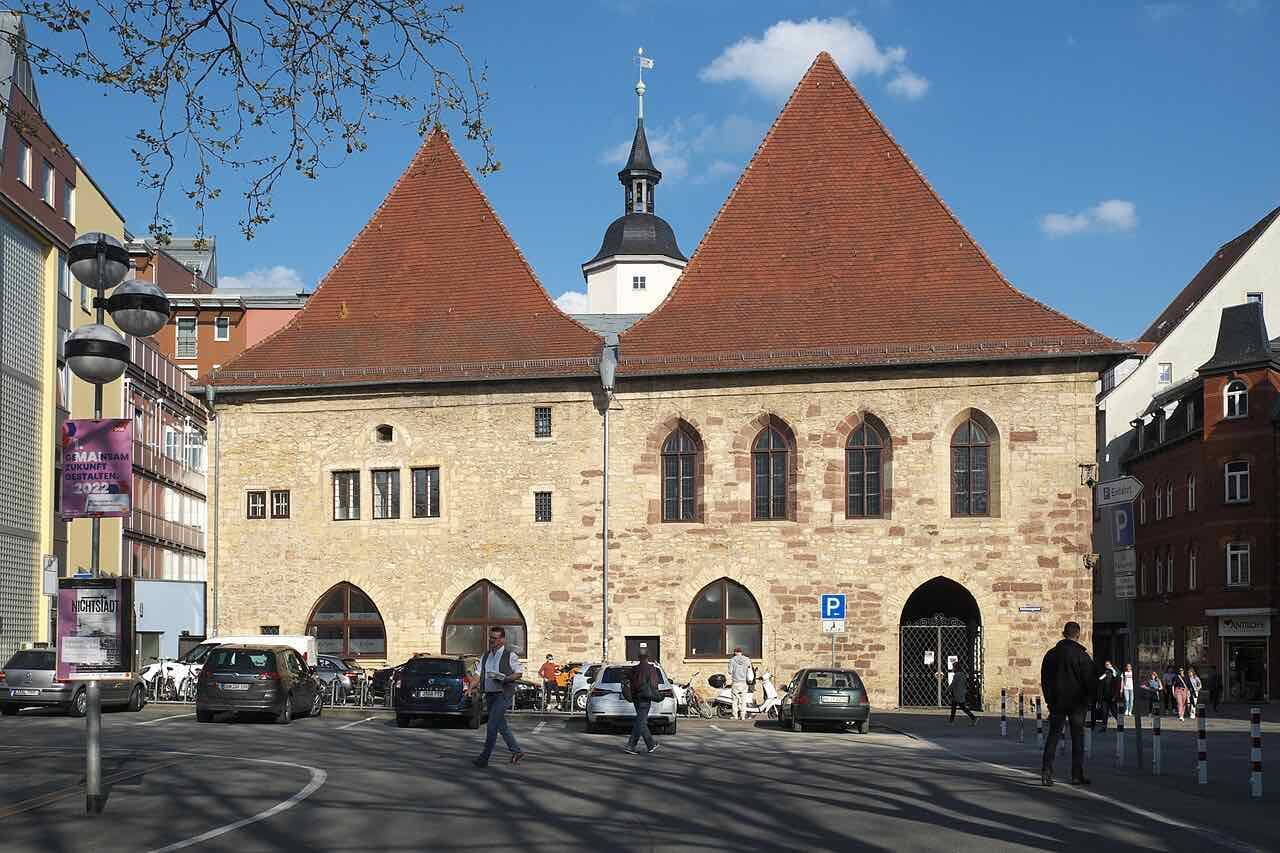
St. Michael's was built between 1422 and 1557 and is one of the largest Gothic monuments in Thuringia. The Gothic town hall on the market square dates to about 1412.
A seven-week open-air summer festival of concerts, theatre and film evenings on the Theatervorplatz. The 2026 season ran from 8 July to 23 August.
The museum of optics holds microscopes, binoculars and spectacles going back to the seventeenth century, but its site says it is currently closed, with reopening planned for 2028.
A private guide offers walking tours with themes such as the Reformation in Jena, the night watchman, and a tour about student life in earlier centuries ("Fröhliches Studentenleben").
River, hills and green space
Weekends: hills, rivers and the neighbours
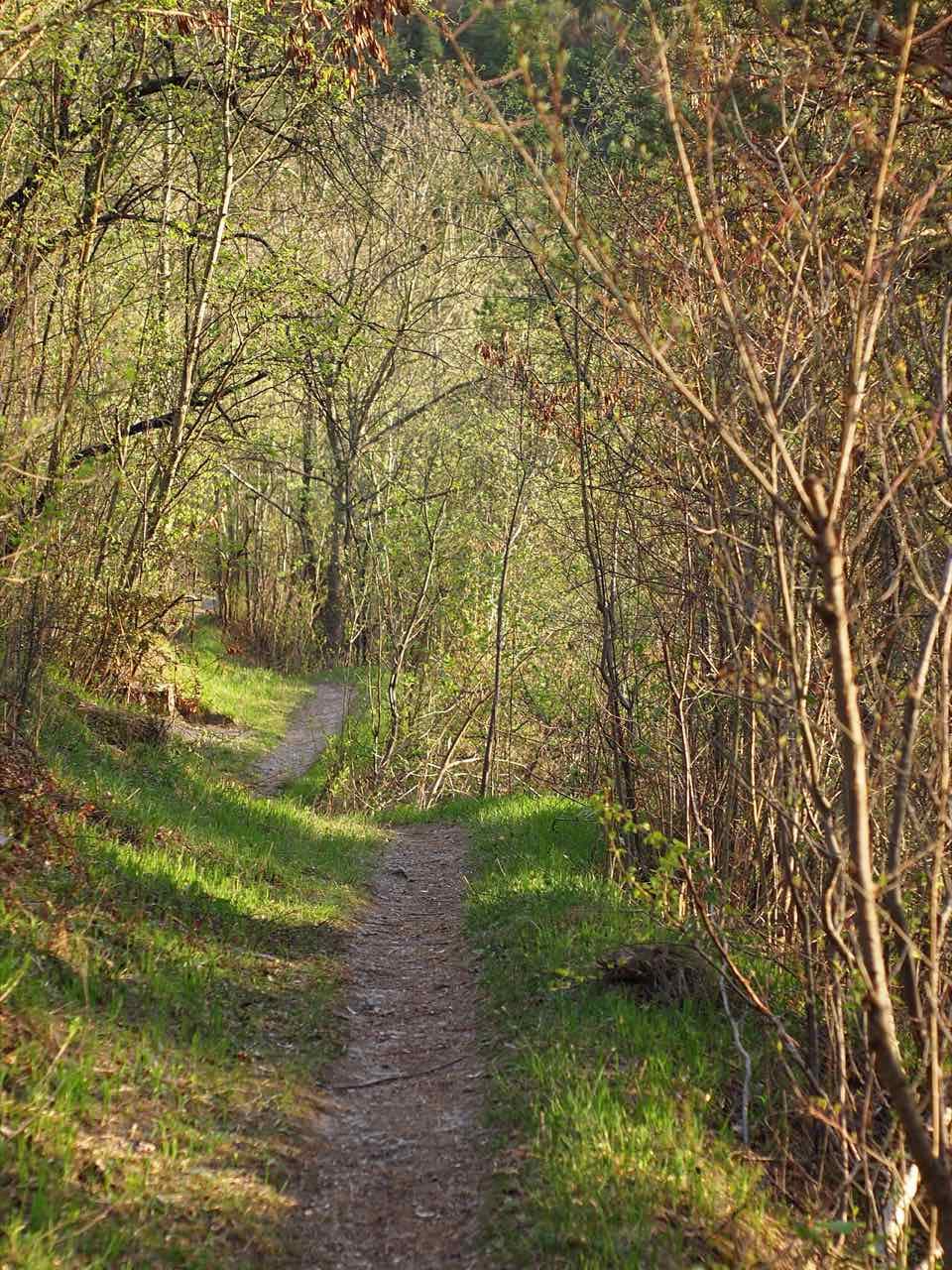
Most weekends can start on foot. The Kernberge hills east of the Saale have footpaths, and the Hausberg with its Fuchsturm lookout is the classic climb above the centre. Further out, the Leutratal valley is known for rare orchids, and every May or June the long-distance hike called Horizontale runs around Jena on the hillsides. The Saale cycle route and the Thuringian Städtekette long-distance cycle route cross in Jena, so a day trip along the river is one ride away.
The nearest cities are easy day trips. Weimar is about 19 km west, Erfurt about 40 km west, Halle about 67 km north-east and Leipzig about 72 km north-east. Jena has been a rail junction since the Saalbahn opened in 1874 and the Gera to Weimar line in 1876; look up exact connections on the Deutsche Bahn timetable before you plan a trip.
In the cultural calendar, the Kulturarena runs through the summer and the Theaterhaus Jena, an independent theatre that has been running for 35 years, has a season of its own plus a 35th-anniversary week from 30 October to 6 November 2026. The Long Night of the Museums takes place in June, and the Jena Long Night of Science is announced for 20 November 2026.
Getting around
Jena has an electric tram, which opened on 1 April 1901, and a bus network run by the municipal utility Stadtwerke Jena. Trams cross the Saale on several bridges, including the Paradiesbrücke, and the A4 motorway passes the city on the Saaletal bridge near Lobeda-West.
As a student you will mostly not buy single tickets. At the Ernst-Abbe-Hochschule the semester fee includes the Germany-wide semester ticket (EUR 231.05 of the 350.05 for winter 2026/27), and the University's fee covers a semester ticket for local transport and regional trains; check what your own semester contribution includes. For anyone without it, the Deutschlandticket costs 63 euros a month and covers local and regional transport across Germany.
What it costs
- Room in a Studierendenwerk hall
- about EUR 200–350 a month, with a EUR 300 deposit after you signsource
- Monthly budget recommended by the University
- EUR 750–900, plus at least EUR 1,000 in cash for the first 4–6 weekssource
- Semester contribution, University, winter 2026/27
- EUR 353.05source
- Semester contribution, Ernst-Abbe-Hochschule, winter 2026/27
- EUR 350.05 (semester ticket 231.05, Studierendenwerk 95.00, thoska card 15.00, student council 9.00)source
- Deutschlandticket
- EUR 63 a monthsource
- Student residence permit
- about EUR 110 for the electronic permitsource
- Statutory minimum wage
- EUR 13.90 an hour since January 2026source
Figures are from the universities, the Studierendenwerk and the DAAD, as published in October 2026. The university's own budget guide puts a month at roughly 750 to 900 euros, with a rent of about 300 euros; rents in a hall are lower.
Part 2
Student life in Jena
Where you can study
Friedrich Schiller University Jena ↗
Founded in 1558, the largest university in Thuringia, with 17,015 students, and more than 2,400 of them from other countries. Its buildings are spread across the centre, around Ernst-Abbe-Platz and Carl-Zeiss-Straße, and the main building is at Fürstengraben 1. It is tuition-free for EU and non-EU students, though you pay the semester contribution. Many programmes are taught in German; use the degree-programme database to see the language of instruction of each programme and its own language requirement. The university also belongs to the EC2U alliance of European city universities.
International office ↗Ernst-Abbe-Hochschule Jena (University of Applied Sciences) ↗
About 4,200 students in bachelor's and master's programmes and about 560 staff, on a compact campus of six buildings divided by Carl-Zeiss-Promenade in the city. Nine departments: Business Administration, Electrical Engineering and Information Technology, Health and Nursing, Fundamental Sciences, Mechanical Engineering, Medical Engineering and Biotechnology, SciTec, Social Work and Industrial Engineering. Use the course-language filter on its programme page to find English-taught degrees; exchange students have a separate list of courses in English.
International office ↗Student unions, services and groups
Studierendenrat (StuRa), Friedrich Schiller University ↗
The student council of the university, with departments for teacher training, diversity, culture, social affairs, sport, environment, a semester-ticket team and the intercultural-exchange department Int.Ro, plus the subject student councils (Fachschaften). Office at Carl-Zeiss-Straße 3, room E019C.
Int.Ro, the Referat for intercultural exchange ↗
The StuRa department that is the contact point for international students on studies, official procedures and life outside the university; it also runs the international community room. Contact info.intro@stura.uni-jena.de.
Student council of the Ernst-Abbe-Hochschule ↗
The student council has its office on the ground floor of House 5 on the Ernst-Abbe-Hochschule campus. The campus map page shows where it is, and EUR 9.00 of each semester fee goes to it.
Runs the canteens and cafeterias, 21 halls of residence with about 3,000 places, social and psychosocial counselling, legal advice and the culture ticket. It also keeps the International Centre at Johannisplatz 26.
University sport (Hochschulsport), Friedrich Schiller University ↗
A broad sports programme with an online booking system, a UNISPORT card and an online programme. Office at Oberaue 1.
University sport, Ernst-Abbe-Hochschule ↗
Courses for EAH students; the winter 2026/27 programme was published on 29 September and online registration opened on 7 October, with sport starting on 12 October. Contact hochschulsport@eah-jena.de.
ESN Jena (Erasmus Student Network) ↗
Weekly get-togethers, trips and events for international students. Its office is in the Haus auf der Mauer; meetings are in English on Tuesdays at 18:00.
International Centre Haus auf der Mauer ↗
The meeting place for international students at Johannisplatz 26, with a café, a large hall and groups such as ESN, Together in Jena, Int.Ro and the international offices of both universities. A WelcomeCafé runs there at the start of each semester.
A community of activities and events for people in Jena, with indoor and outdoor offers, hikes, group pages and a Telegram channel for finding travel or dance partners.
Evangelische Studierendengemeinde (ESG) Jena ↗
An open Protestant student community at August-Bebel-Straße 17a. On Tuesdays it usually has a vegan dinner at 18:30, a devotion at 19:30 and a programme at 20:00; on Thursdays an evening prayer at 20:00 followed by a free evening.
Katholische Studierendengemeinde (KSG) Jena ↗
The Catholic student community, which describes itself as a safe place for everyone. Its autumn 2026 programme includes a welcome-back evening on 19 October and a game night on 2 November.
The independent student magazine of the university, run by students and listed with the other student initiatives of the University.
Campus life and study culture
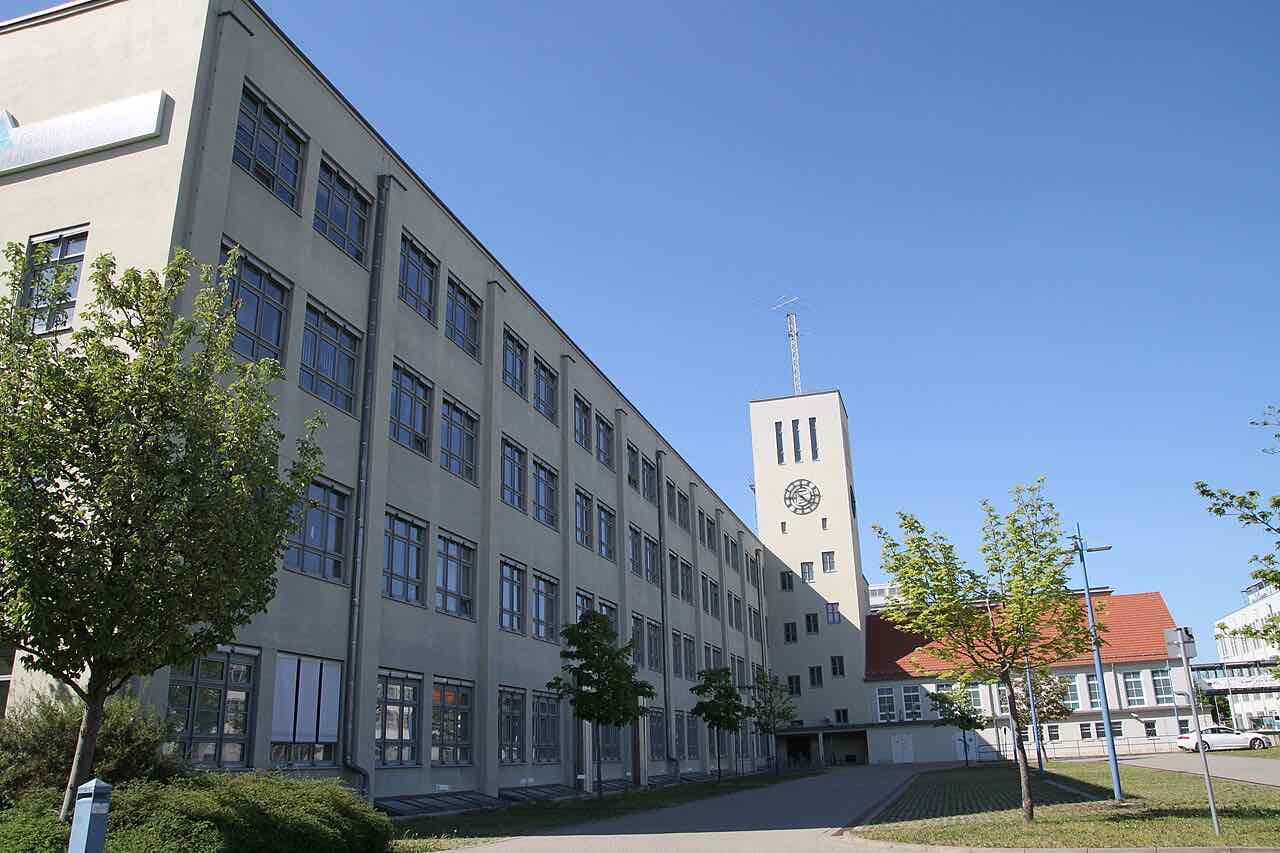
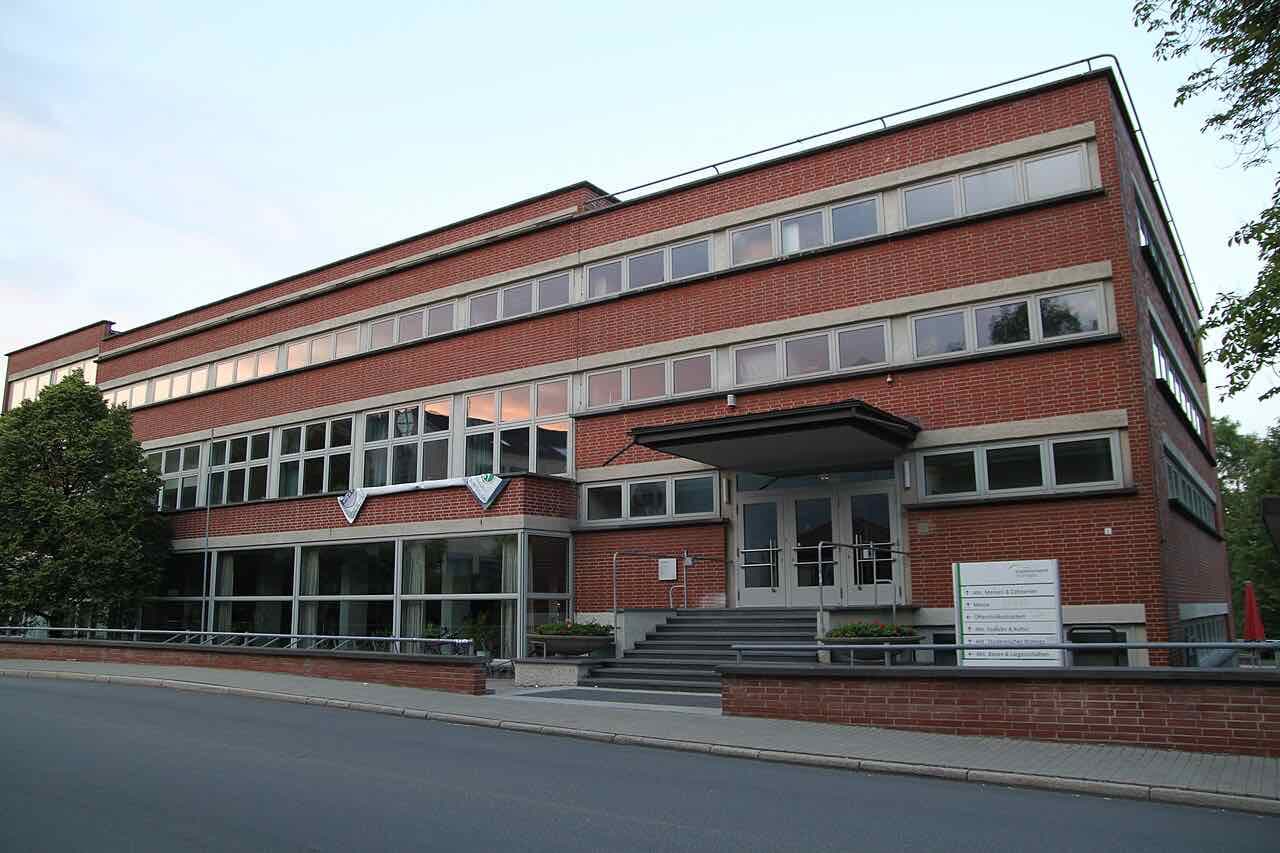
The two universities feel different but share the city. Friedrich Schiller University is spread across the centre: the main building at Fürstengraben 1, the Ernst-Abbe-Platz area, Carl-Zeiss-Straße, and and institutes elsewhere in town. The Ernst-Abbe-Hochschule is one campus of six buildings divided by Carl-Zeiss-Promenade, with the library, the sports hall, a Mensa and the student council inside it.
The University lists a long run of student groups, from AIESEC and Amnesty International to a debating society, a student radio and a Tolkien reading group, plus choirs and theatre groups. Rather than trying to join everything, pick one hobby group and one international one; ESN and Together in Jena are the easiest places to meet people in the first weeks.
The Haus auf der Mauer at Johannisplatz 26 is the practical centre for international students. In winter 2026/27 it runs an open drop-in called InBetween every Tuesday and Thursday from 4 to 6 pm, from 19 October, with coffee, a place to work and a chance to meet other students. The Eat & Meet format brings people from many countries together for meals in the dining hall.
On campus
Housing: apply early, look beyond Jena
The Studierendenwerk Thüringen runs 21 halls with about 3,000 places in Thuringia, mostly single rooms in shared flats. Rent is about 200 to 350 euros a month and is fixed for six months, with a 300-euro deposit after you sign. International applicants have two deadlines: 15 January and 15 July, and the University advises applying as soon as you can.
Rooms are not automatic. The University's guidance is to start searching at least three months ahead and says private rooms are hard to find from abroad. Students look in nearby towns including Weimar, Erfurt, Kahla, Gera and Apolda and commute by train. Never pay a deposit before you have seen the room and have a contract.
Eating, sport and nights out
Studierendenwerk Thüringen runs Mensa Ernst-Abbe-Platz, Carl-Zeiss-Promenade, Philosophenweg, the University main building, Moritz-von-Rohr-Straße and the Cafeteria Carl-Zeiss-Straße. Menus, with allergens, are on its dining page.
Both universities offer sport courses for a small fee. The University's programme has an online booking system, an online-course option and a first-semester action in the first weeks.
A club and cultural venue in a former water tower and converted locomotive sheds at Felsenkellerstraße 13a, with concerts, club nights, student parties (Studifeier), cinema and literature. It has been part of Jena's nightlife for more than 30 years.
An independent theatre with a regular programme and extra events, and a festival of dance and movement theatre every two years in November.
The city's orchestra, with a concert calendar, an orchestra academy and three choirs. Concerts take place in several venues, including the Volkshaus and the Kassablanca.
Your student card also works as a culture ticket for discounts at theatres, museums and concert organisers.
Your first weeks, in order
- 1
Before you travel
Check whether you need a visa, and if so apply through the German Foreign Office's consular portal for students as soon as you have an admission letter. Do not enter on a tourist or Schengen visa, because it cannot be turned into a student permit. Processing can take 2 to 12 months. Look for a room at least three months ahead.
- 2
Arrival
Plan to arrive before the study orientation days, which for winter 2026/27 run from 1 to 16 October at the University; arriving after that means the University cannot offer its full welcome service. Register for a Welcome Buddy 2 to 3 weeks before you land; at the Ernst-Abbe-Hochschule the equivalent is Welcome Tutors.
- 3
Week 1
Register your address at the city's residents' registration office. You need a German postal address, using the name and flat number on the mailbox, for the enrolment portal as well. Enrol in the University's Friedolin 2.0 portal (the enrolment deadline for winter 2026/27 was 30 October at noon) or the Campus Portal of the Ernst-Abbe-Hochschule, and pay the semester contribution.
- 4
Weeks 1–2
Join statutory health insurance if you are under 30; mention the University's sender number H0000923 for enrolment. If you hold an EU card or private cover, apply for an exemption instead. Register for the radio and TV licence fee.
- 5
Weeks 2–4
Residence permit: if you entered without a visa, apply within 6 weeks of entry. Apply at the Immigration Office 2 to 3 working days after you register your address. If your visa is shorter than your stay, apply at least 2 months before it ends.
- 6
First month
Do a German course if you need one: the University Language Centre runs German as a foreign language, and a paid intensive course in September costs EUR 80. Join one group from the list above.
Working next to your degree
Students from outside the EU may work 140 full days or 280 half days a year without special permission. Student-assistant jobs at the university are exempt from this limit, but you must tell the foreigners' office. Freelance work counts as self-employment and needs the Immigration Office's permission first.
The University is straightforward about the labour market: most jobs need good German, and jobs that need little German are rare and often involve a commute to Erfurt or Gera. The minimum wage is 13.90 euros an hour since January 2026, and you can earn up to 556 euros a month in a mini-job without paying tax. Start with the University's Career Point, the University and Studierendenwerk job boards and Work in Jena, and only accept a job with a contract under which the employer pays social security contributions.
Where you come from matters here
Pick your home country: food, faith, community groups and the consulate that serves you, checked 21 October 2026.
🇮🇳 Living in Jena as an Indian student
Jena has no Indian association or temple with its own website that we could find; the practical contacts are in Berlin and online.
Tiergartenstraße 17, 10785 Berlin. Since 20 January 2026 passports, visas, attestation and other consular applications are accepted by the Embassy itself and only through an online appointment; document submission is 9:30 to 12:30.
Indian Students in Germany (ISG) ↗
A portal started by the Embassy with arrival tips, regional coordinators and a directory of Indian student associations across Germany. Some content needs a login.
🇳🇬 Living in Jena as a Nigerian student
We found no Nigerian association in Jena with its own website. The embassy is in Berlin, and the nearest English-language church community is in Leipzig, about 72 km away.
Neue Jakobstraße 4, 10179 Berlin. It handles passports, emergency travel certificates and document legalisation, with a EUR 30 administrative charge on top of statutory fees; visa applications go through VFS in Berlin.
An Anglican congregation open to many traditions, with services at the Gedächtniskirche, Ossietzkystraße 39, Leipzig, and an International Students group.
🇳🇵 Living in Jena as a Nepali student
We found no Nepali association in Jena with its own website. The embassy is in Berlin, and Nepali Roots is a professional network that meets in several German cities.
Guerickestraße 27, 10587 Berlin. It handles passports, visas, travel documents, powers of attorney and document attestation; consular questions go to consular.berlin@mofa.gov.np.
A non-profit community group for Nepali professionals in Germany with networking events, workshops and webinars. It is based in Munich and runs events in several cities; its site does not mention Thuringia.
🇵🇰 Living in Jena as a Pakistani student
We found no Pakistani association in Jena with its own website. Thuringia belongs to the area of the Consulate General in Frankfurt.
Consulate General of Pakistan, Frankfurt am Main ↗
Eschenbachstraße 28, 60596 Frankfurt. Its jurisdiction includes Thuringia. It handles passports, document attestation and student registration; consular services are not provided on Fridays.
Lists consular services such as passports, attestations and NADRA services, and has pages for student visas and student registration.
🇨🇲 Living in Jena as a Cameroonian student
We found no Cameroonian association in Jena with its own website. The embassy in Berlin also serves several other countries, and the nearest West African association is in Leipzig.
The embassy site, in English, French and German, says it serves Cameroon and several other European countries. Check it for the current address and consular steps before you travel.
YILP International e.V., Leipzig ↗
A non-profit founded in Leipzig in 2016 for young people from Gambia and Senegal that is open to other nationalities. It gives integration advice, runs the 1000 Drums African music festival and works with offices and doctors. Rödelstraße 22, Leipzig.
🇨🇳 Living in Jena as a Chinese student
The University's list of student initiatives includes a Chinese students and scholars association, the Verein der chinesischen Studierenden und Wissenschaftler/innen Jena e.V.. Jena's partner cities include Panyu in Guangzhou, China.
Embassy of China in Germany, Berlin ↗
The embassy is at Märkisches Ufer 54, 10179 Berlin, and its consular section at Brückenstraße 10 is open Monday to Friday, 09:00 to 12:00. Standard visa applications go through the Chinese Visa Application Service Center in Berlin.
A centre for Chinese language and culture with courses up to HSK level 6, calligraphy, a tea school and tandem evenings. It is run with Leipzig University and Renmin University of China as partners.
English-taught programmes in Jena
Soonest open deadline first. Every entry links to its official source.
- Physics, Master of ScienceFriedrich Schiller University Jena · JenamasterNo tuition15 Feb 2027Open
- Master of Science in MathematicsFriedrich Schiller University Jena · JenamasterNo tuition15 Feb 2027Open
- Scientific Instrumentation — AI-Driven Design, Sensors and OpticsUniversity of Applied Sciences Jena · JenamasterNo tuition01 Apr 2027Open
- Master of Arts in English Studies / American StudiesFriedrich Schiller University Jena · JenamasterNo tuition31 May 2027Open
- Master of Science in Molecular MedicineFriedrich Schiller University Jena · JenamasterNo tuition31 May 2027Open
- MSc MicrobiologyFriedrich Schiller University Jena · JenamasterNo tuition31 May 2027Open
- Applied Materials ScienceUniversity of Applied Sciences Jena · JenamasterNo tuition15 Jul 2027Open
- Master of Science in Medical PhotonicsFriedrich Schiller University Jena · JenamasterNo tuition31 Aug 2027Open
- Master of Science Evolution, Ecology and Systematics (MEES)Friedrich Schiller University Jena · JenamasterNo tuition31 Aug 2027Open
- Master of Science in BiochemistryFriedrich Schiller University Jena · JenamasterNo tuition31 Aug 2027Open
- Master of Science in EconomicsFriedrich Schiller University Jena · JenamasterNo tuition31 Aug 2027Open
- Master of Science in Business MathematicsFriedrich Schiller University Jena · JenamasterNo tuition31 Aug 2027Open
- Master of Science in Molecular Life SciencesFriedrich Schiller University Jena · JenamasterNo tuition31 Aug 2027Open
- MSc Biogeoscience of the AnthropoceneFriedrich Schiller University Jena · JenamasterNo tuition31 Aug 2027Open
- Master of Science in PhotonicsFriedrich Schiller University Jena · JenamasterNo tuitionSee sourceCheck source
- MSc Quantum Science and TechnologyFriedrich Schiller University Jena · JenamasterNo tuitionSee sourceCheck source
- Master of Science in Chemistry of MaterialsFriedrich Schiller University Jena · JenamasterNo tuitionSee sourceCheck source
- International Organisations and Crisis Management (IOCM), Master of ArtsFriedrich Schiller University Jena · JenamasterNo tuitionSee sourceCheck source
Is Jena right for you? Ask us. Free.
Tell us your passport, grades and budget. We compare Jena with the other places you could study, then apply for you. You never pay us.
Get my free plan