Studying in North Rhine-Westphalia, Germany
Paderborn
A compact university city in East Westphalia, built around a river that rises in the middle of town.
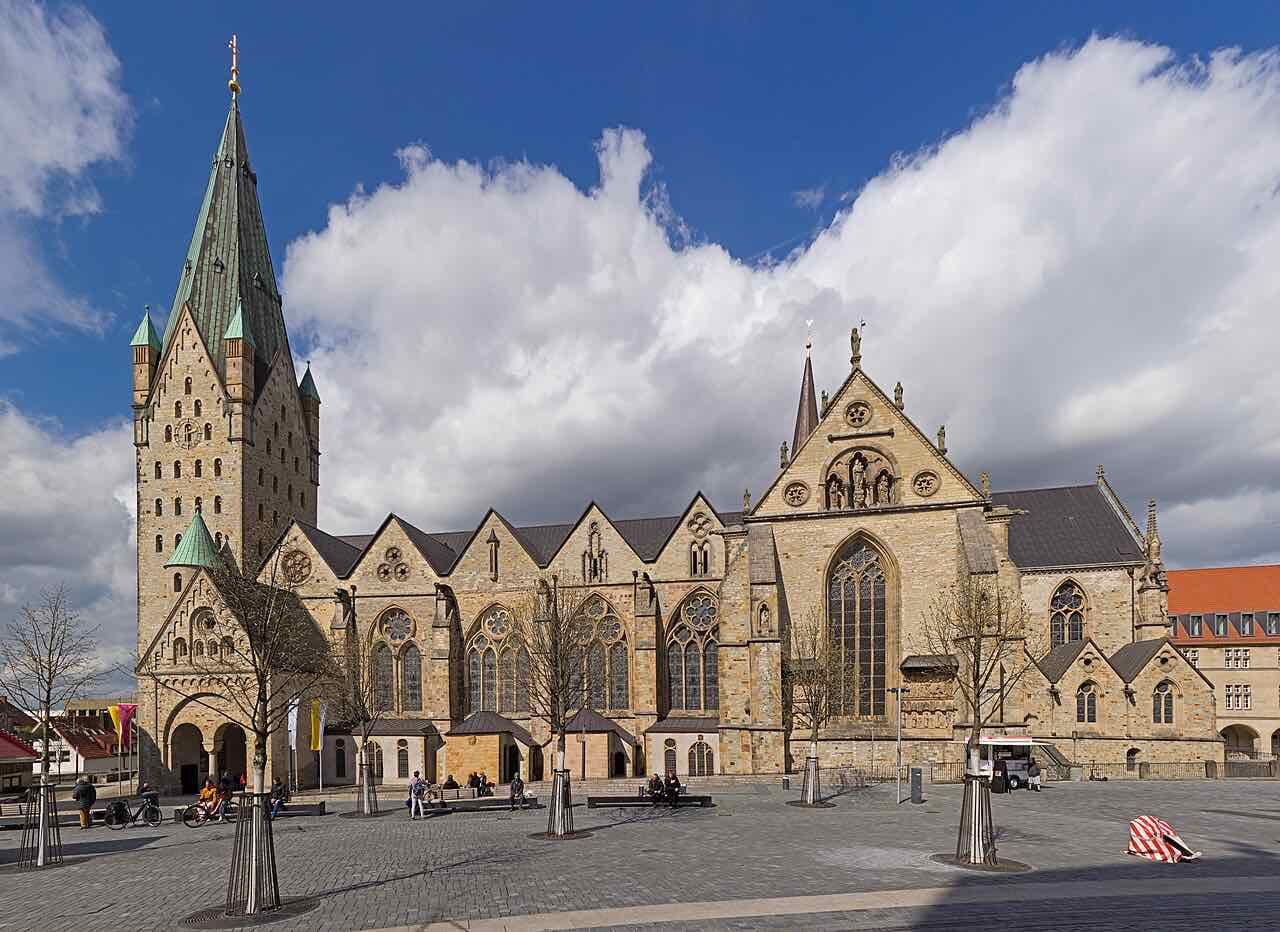
Paderborn is a city of about 156,000 people where Charlemagne met the Pope in 799, where the Pader springs up inside the old town, and where Heinz Nixdorf built a computer company that still shapes what students study. The university sits on one main campus with computer science, business, engineering and teacher training; the lecture halls, the canteen, the student union and the dorms are close enough to walk between. You can reach the cathedral on foot from most of the city, the weekend options include a lake and marked hiking and cycling routes, and tuition is free. The university starts each winter semester with an orientation week, and the student union, the international students' group and two church communities run programmes of their own.
- Population
- 155,906 (31 Dec 2025)
- State and district
- North Rhine-Westphalia, Regierungsbezirk Detmold
- Students at Paderborn University
- 16,181 (summer semester 2025), about 2,000 of them international
- Semester contribution, winter 2026/27
- 351.15 EUR, including the Deutschlandsemesterticket
Part 1
Living in Paderborn
A city that starts at a spring
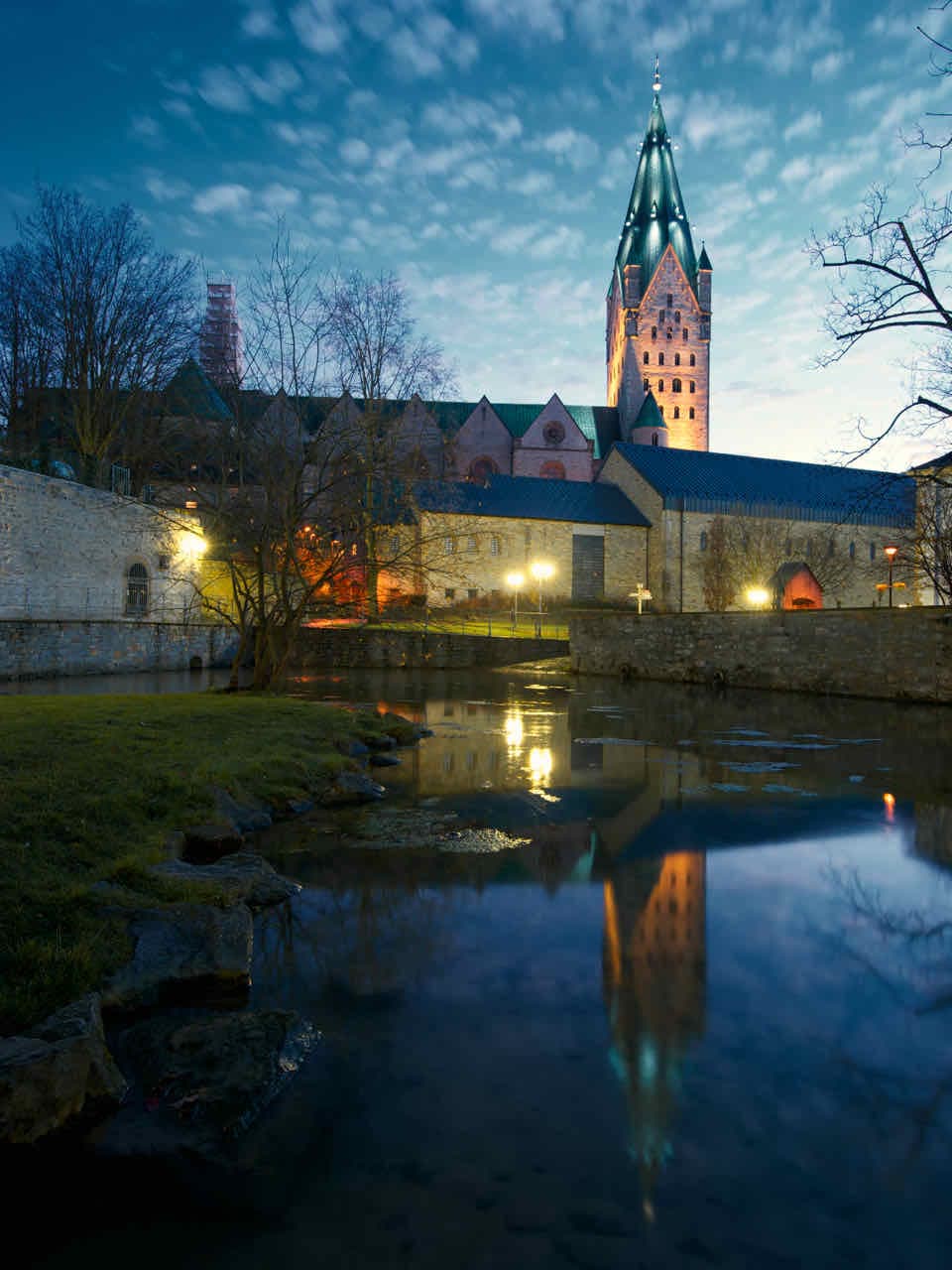
Paderborn grew where about 200 karst springs rise and feed the Pader, which is only four kilometres long and counted as the shortest river in Germany. The springs are not at the edge of town but between the cathedral and the Kaiserpfalz in the middle of it, and you walk past them without trying.
The first recorded imperial assembly on Saxon ground was held here in 777. In 799 Charlemagne met Pope Leo III at the palace, which led to the founding of the bishopric. The cathedral you see today was built from 1009 to 1015 under Bishop Meinwerk, and the Ottonian palace next to it was reconstructed after excavations that began in 1964. Paderborn is documented as a Hanseatic city in 1295, and its theology school goes back to a Jesuit university founded in 1614.
Church and state are still part of the picture: about 39 per cent of residents are Catholic and 15 per cent Protestant, while 46 per cent are non-religious or belong to other groups (December 2025 estimate). The Archdiocese of Paderborn still runs the Theologische Fakultät.
What to see in your first weeks
Most of this is inside the old town and within a short walk of the cathedral.
The cathedral and the Paderquellen ↗
A Romanesque-Gothic cathedral in the centre, surrounded by more than 200 springs. The city's sights page lists it first among more than 20 historic buildings in the inner city.
The reconstructed Ottonian palace at the springs, now a museum. It is one of the museums the city lists, together with the Diözesanmuseum, the Stadtmuseum, the Kunstmuseum im Marstall and others. Most close on Mondays.
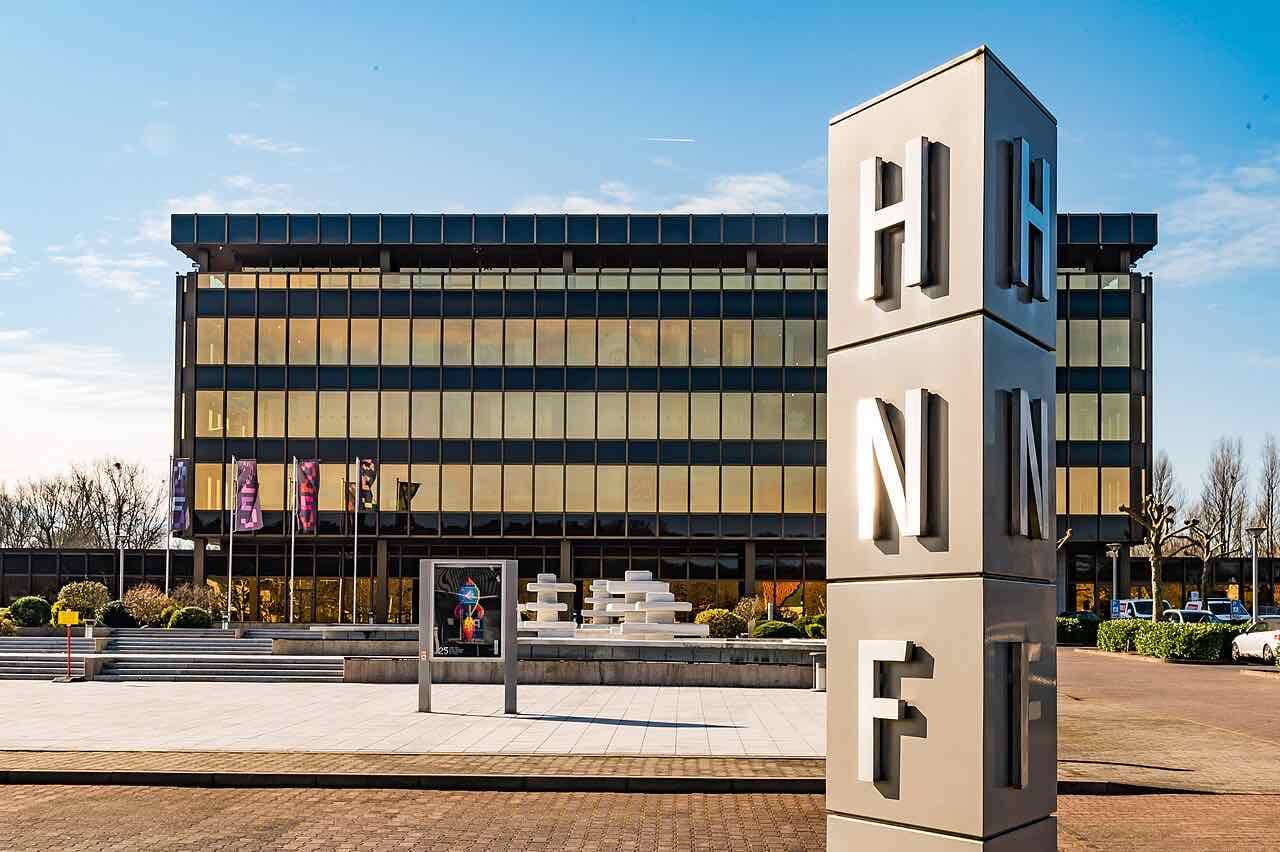
A computer museum on the Fürstenallee that calls itself the world's biggest, with 6,000 m² of floor space. Open Tuesday to Sunday; the permanent exhibition costs 7 EUR for students, 10 EUR for adults. Padersprinter line 9 runs from the Hauptbahnhof.
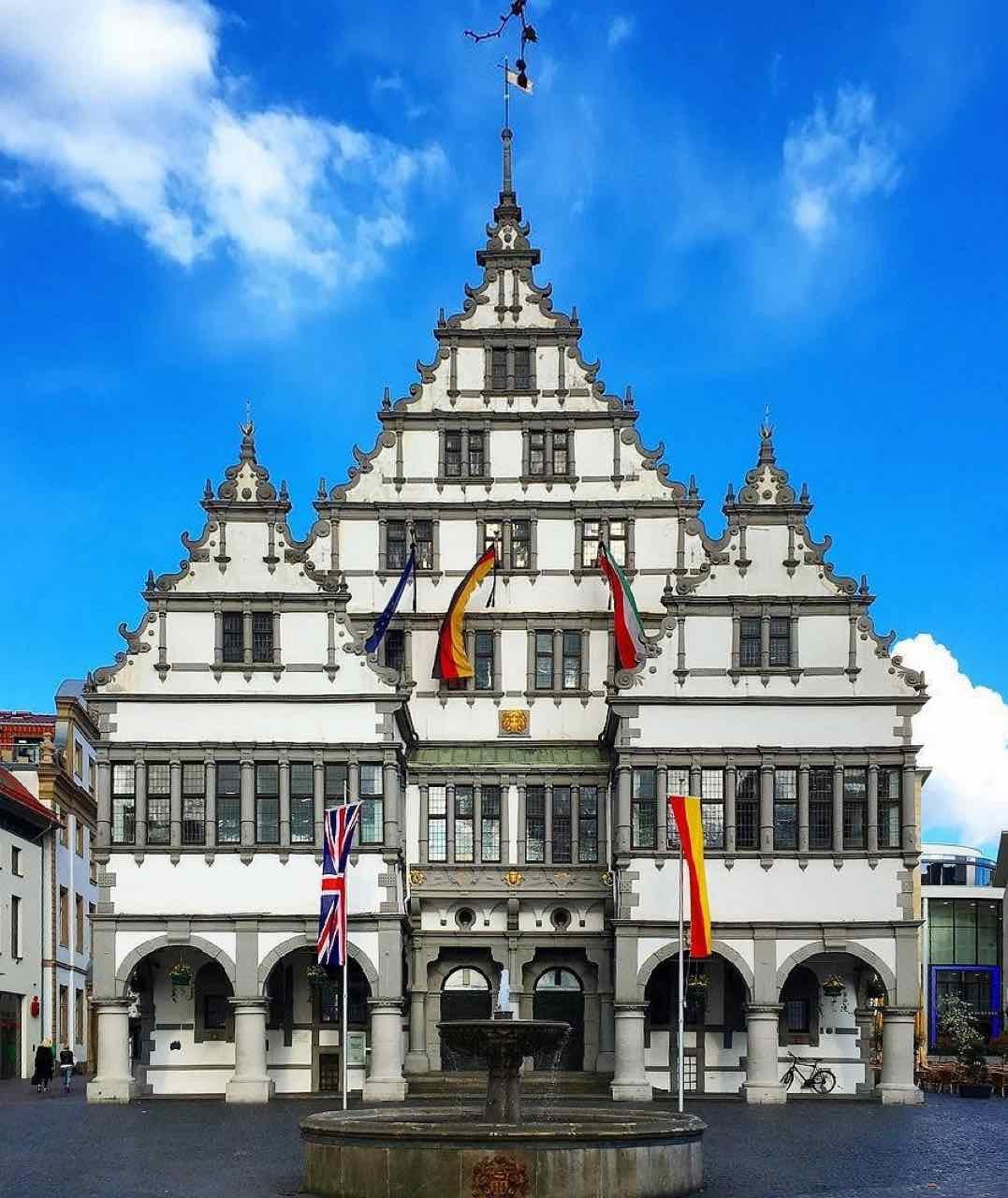
The town hall is built in the Weser Renaissance style.
Tourist Information Paderborn ↗
Königsplatz 10; it arranges city tours, hands out brochures and lists events.
In the centre
Festivals and the calendar
The big event is Libori; the rest of the year is calmer.
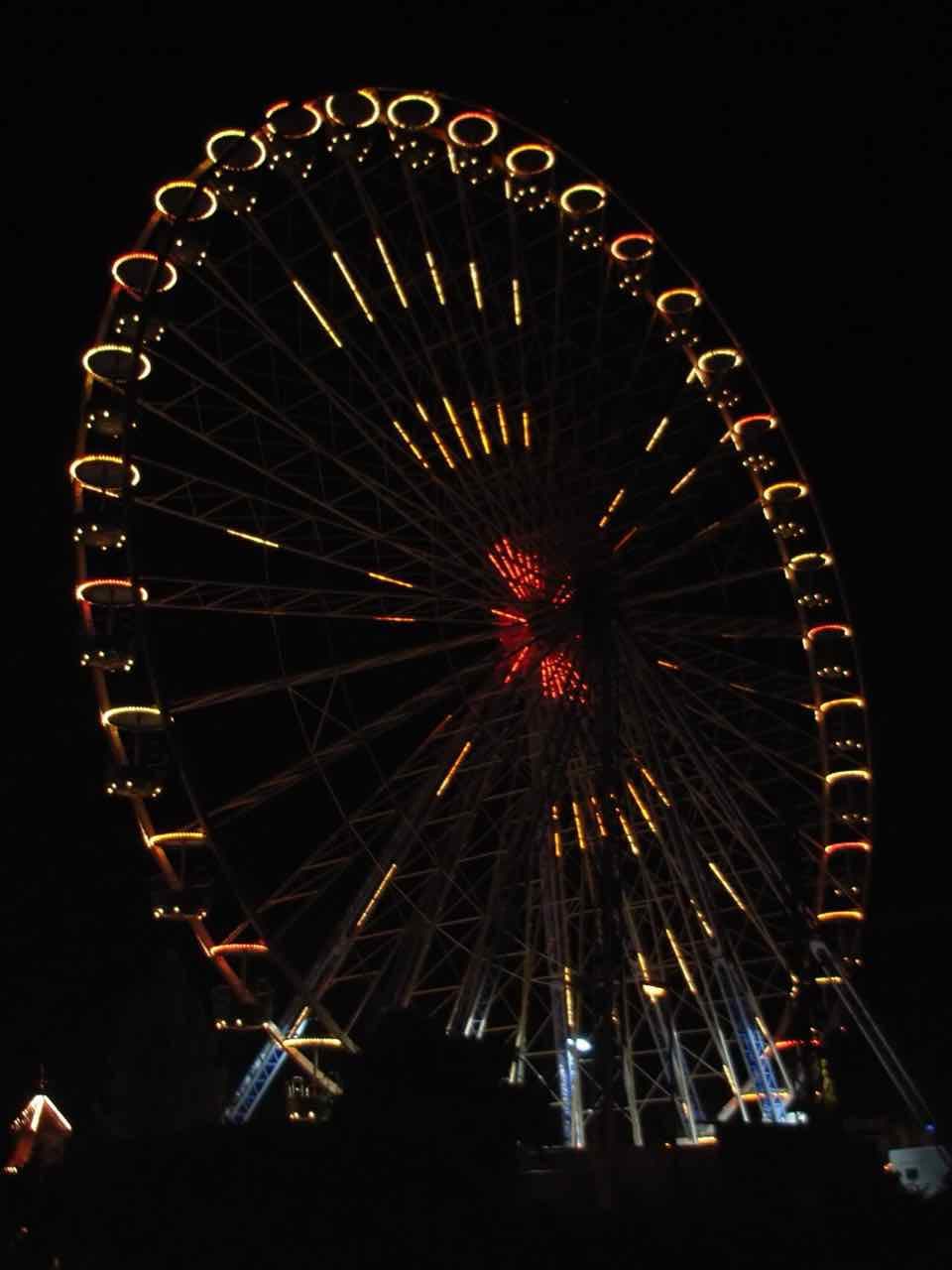
A festival week at the end of July with roots going back to 836, when the relics of St Liborius came from Le Mans. It mixes church ceremony with a fairground and is described as one of the largest and oldest fairs in Germany. A smaller Herbstlibori is held in October.
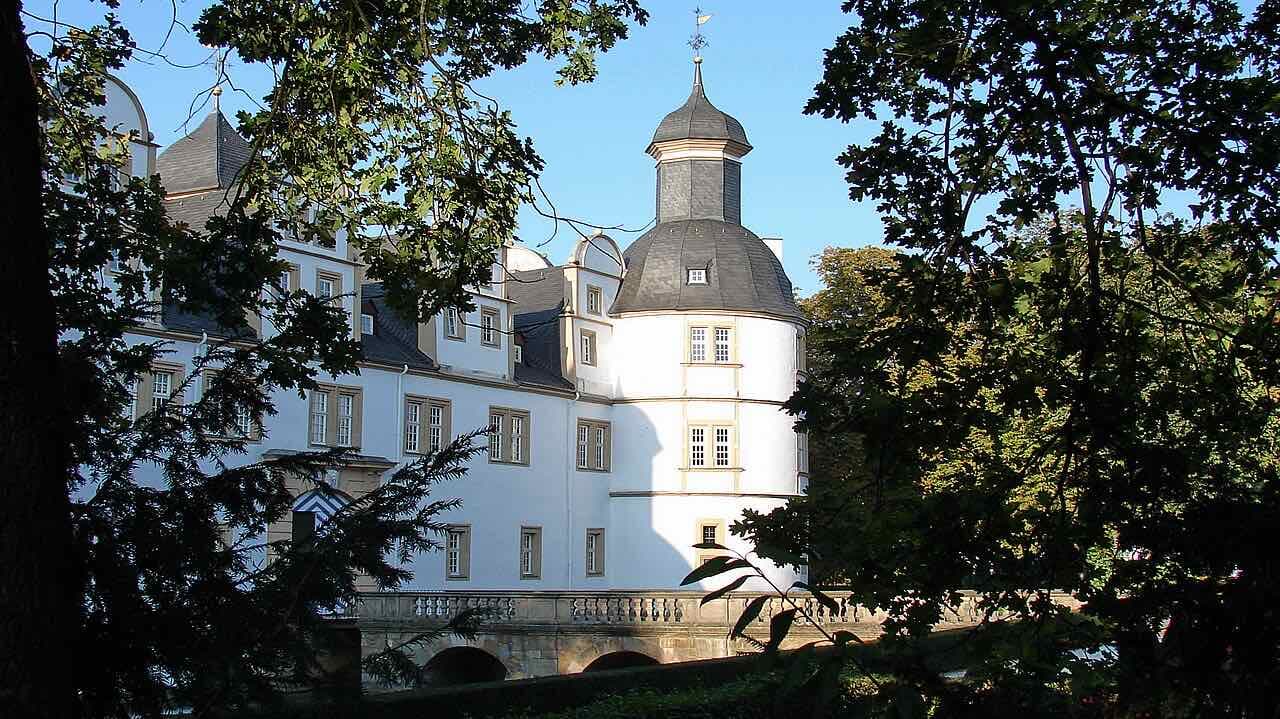
The city lists a spring festival, a Schützenfest, a Christmas market and concerts, theatre and sport in the Schlosspark of Schloß Neuhaus.
The city's own calendar of what is on this week.
Weekends: water, trails and bikes
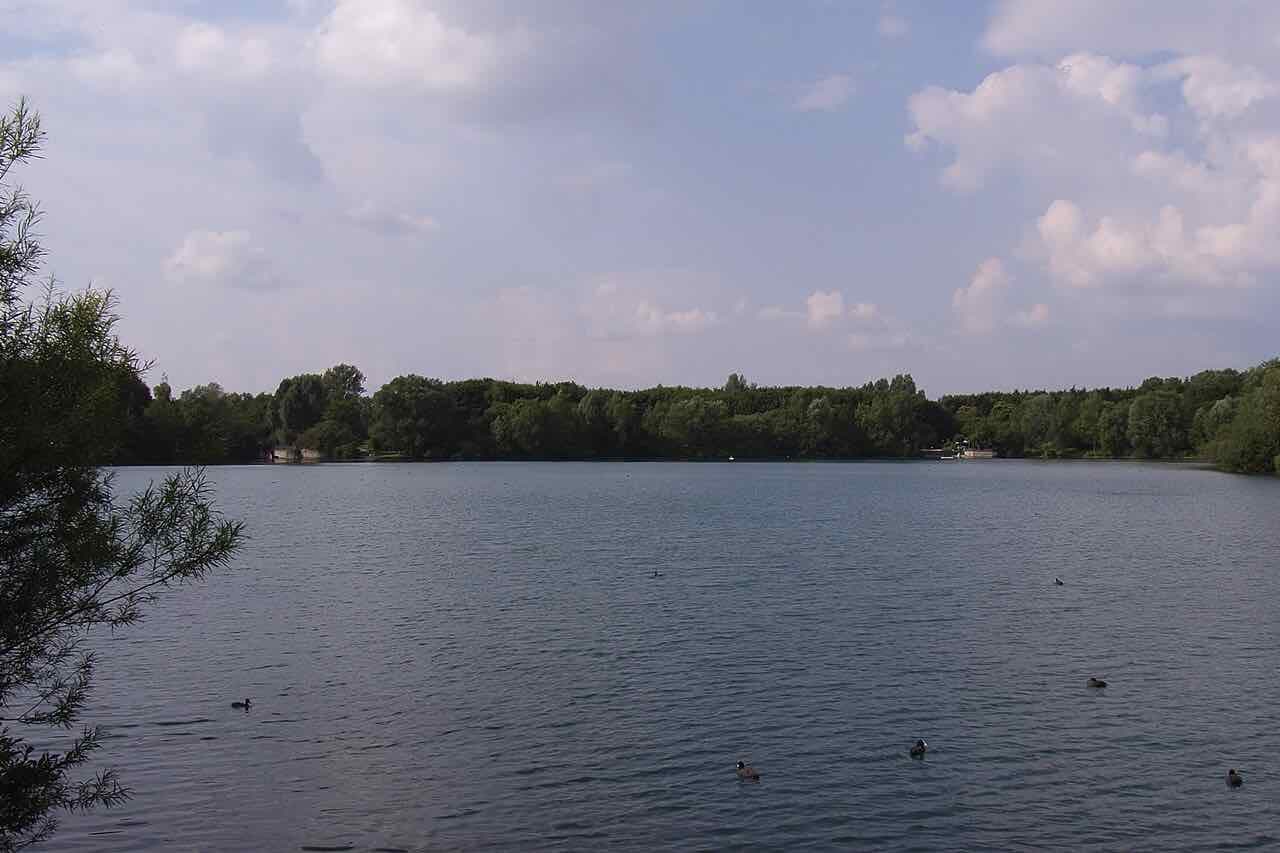
The Paderquellgebiet is the green core of the city, with the Padersee and the Paderauen running on towards Schloß Neuhaus, where a Weser Renaissance castle sits in a park that hosted the state garden show in 1994. Further out, the Teutoburger Wald and the Senne are close, and the city lists marked hiking routes such as the Paderborner Höhenweg, the Karstrundweg and the Alter Pilgerweg.
For cycling the city counts about 2,000 km of marked cycle paths and offers GPS-guided bike tours, and the Tourist Information rents GPS devices for geocaching. The AStA runs a bike workshop on campus where you can repair your own bike with their tools.
Bielefeld, Gütersloh and Münster are the nearest large cities to the north-west, Göttingen lies to the east and Kassel to the south-east.
Water and parks
Getting around
The city runs on the PaderSprinter buses, with night buses and regional lines. As a student you do not buy a separate ticket: the Deutschlandsemesterticket is part of your semester contribution and is valid on local public transport across Germany, though not on ICE trains or in first class. It lives in the OWLmobil app and works only together with an official photo ID.
The Hauptbahnhof has regional trains and an Intercity route between Düsseldorf and Erfurt. The airport is about 15 km south-west of the centre and has an express bus every 30 minutes; scheduled flights go to Munich, and charter flights go to holiday destinations.
What it costs
- Semester contribution, winter 2026/27
- 351.15 EUR (AStA 12.50, culture ticket 1.85, Deutschlandsemesterticket 226.80, Studierendenwerk 110.00)source
- University estimate of monthly living costs
- about 1,210 EUR, including rent 400, health insurance 140, food 350, free time 150, semester fee 50 and miscellaneous 120source
- Studierendenwerk dorm rooms, single flat
- 340 EUR (13.5 m²) to 520 EUR (37 m² with balcony) at Peter-Hille-Weg; 420 EUR at Pohlweg and Mersinwegsource
- Shared-flat room in a dorm
- 340 EUR in a four-person flat, 360 EUR in a two-person flat at Vogeliuswegsource
- Private room, utilities included
- about 280–380 EUR per month, usually with a deposit of two months' rentsource
- Heinz Nixdorf MuseumsForum, permanent exhibition
- 7 EUR reduced (students), 10 EUR adultsource
Official figures from the university, the AStA and the Studierendenwerk. Rents are warm unless stated.
Safety and work after the degree
The university describes Paderborn as a safe city with a low crime rate and intercultural diversity. Like anywhere, lock your bike.
The regional economy is built on food production, automotive suppliers and IT, much of it through the Heinz Nixdorf legacy and university spin-offs. Employers named for the city include Benteler, Claas, dSPACE, Diebold Nixdorf, Phoenix Contact, Lödige and Siemens. The university counts more than 350 spin-offs, and it points to TecUp as its start-up support.
Part 2
Student life in Paderborn
Where you can study
Paderborn University (Universität Paderborn) ↗
Founded in 1972 and a pure university since 2002, with 16,181 students in summer 2025 and five faculties: Arts and Humanities, Business Administration and Economics, Science, Mechanical Engineering, and Computer Science, Electrical Engineering and Mathematics. The main campus is on Warburger Straße, with further sites at Fürstenallee and the technology park. It is known for computer science, business informatics, engineering and mathematics, alongside humanities and teacher training, and it has a joint Chinese-German technical faculty with Qingdao University. About 2,000 international students study here, and the university lists English-taught international master's programmes. Tuition is free.
International office ↗Catholic University of Applied Sciences NRW, Paderborn department (KatHO NRW) ↗
A Catholic university of applied sciences with about 1,000 students in Paderborn on Leostraße 19. The departments of social work and theology offer bachelor's and master's degrees in social work (also in a dual form), early childhood education (dual), applied theology, health-related social work, marriage, family and life counselling and social management. It works with the Theologische Fakultät Paderborn.
Theologische Fakultät Paderborn ↗
A state-recognised faculty founded in 1614 and run by the Archdiocese of Paderborn, at Kamp 6. It offers the Catholic theology Magister, the Lizentiat, doctorates and habilitation, a continuing-education master's and a Christian orientation year called "come!". It has twelve full professorships and its own AStA and student parliament. It lists Erasmus+ pages for incoming students.
FHDW Paderborn (Fachhochschule der Wirtschaft) ↗
A private, state-recognised university of applied sciences that started teaching in Paderborn in 1993; its sole shareholder is an association founded by Heinz Nixdorf in 1972. Paderborn is the headquarters among five locations (the others are Bergisch Gladbach, Bielefeld, Mettmann and Marburg), with 2,059 students in total, and the Paderborn campus is on the Pader meadows next to the HNF. It teaches business administration and business informatics as dual and part-time bachelor's and master's programmes. Dual means you work in a company alongside your studies, so it fits students who already have an employer. Check its Incomings page for the English offer.
Student unions, services and groups
AStA of Paderborn University ↗
The student union. Services include the Sozialbüro for BAföG, housing benefit and hardship cases, a bike workshop, a copy service, certifications, the Stadtcampus office in the city centre, a job board and information on the Semesterticket. The office is in room ME U 205 at Warburger Straße 100.
A guidebook for international students (HOW TO UPB) covering arrival, housing, health insurance, banking and studying, plus an FAQ on registering with the city, bank accounts, phone contracts and jobs, and a contact for racism and discrimination.
Runs the dorms, the canteens and cafés (Mensa, Bona Vista, Picknick, Grill|Café), social and financial counselling, a private-room portal and an intercultural programme with get-togethers. Its page also lists an international consultation.
University sport with online course booking, a Gesundheits- und Trainingszentrum of more than 350 m² and a Sportcampus with padel, streetball, beach volleyball and a golf green. The office is in SP2.1.229 on Warburger Straße.
ASV, the international students' representation ↗
A project area of the university that represents international students. It runs a buddy programme, the orientation phase, Cultural Nights (2025 examples: Ukraine, India, Kannada Rajyotsava), an Inter-Cultural Week and the DSH breakfast. Sign up for a buddy by email to vorstand@asv.uni-paderborn.de.
A volunteer initiative that helps exchange students settle in and prepares local students for a stay abroad, with trips, parties and get-togethers. Weekly meetings are on Tuesdays at 19:00 in SP2 0 101 during term.
Katholische Hochschulgemeinde (KHG) ↗
The Catholic student community at Gesellenhausgasse 3, with a semester programme, worship, social counselling, mentoring, student rooms and English pages.
Evangelische Studierendengemeinde (ESG) ↗
The Protestant student community, open to people of all denominations and religions, with services, devotions and shared leisure activities; it also takes part in the ecumenical semester services at the cathedral.
The university lists about 20 recognised Hochschulgruppen, including the Afrikanische Studierenden Gemeinschaft (ASG), AIESEC, oikos, campus grün, the student newspaper UNIVERSAL, Paderborn E-Sports University, the Muslim group DMMK, KurdS-PB, the Suryoye group and a UNICEF group.
The university's overview of orchestra, UniSono choir, brass band, big band, the Studiobühne, Programmkino Lichtblick, the student newspaper and Radio L'Unico, plus student councils and initiatives.
Campus and study culture
Paderborn University has a compact campus: lecture halls, student services and leisure facilities are close together, and the historic centre is within walking distance.
Faculties run their own welcome programmes for master's students: Welcome Days at the faculty for computer science, electrical engineering and mathematics, a start-of-studies programme in International Economics and Management, and separate programmes in the Science and Arts and Humanities faculties. Tuition is free; you pay the semester contribution and nothing else to the university.
The university has a European university alliance, COLOURS, which it has coordinated since January 2024 together with eight partner universities.
Housing
The housing market is tight, as in other German university towns. The Studierendenwerk runs the dorms; waiting times can be up to nine months, and a dorm stay is limited to six semesters. Join the waiting list as early as you can, before you have your admission. Typical dorm rents run from about 340 EUR for a 13.5 m² single flat to 520 EUR for 37 m² with a balcony, and shared-flat rooms are 330–430 EUR.
Private rooms cost around 280–380 EUR including utilities and usually need a deposit of two months' rent. March and September are the best months to find a flat, because many rooms are freed when people graduate. The Studierendenwerk runs a private-room portal
Food, sport and evenings
The Studierendenwerk runs the Mensa and three other places on campus: Bona Vista for organic coffee and snacks, Picknick with self-service machines open into the evening, and the Grill|Café, which opens at 14:00. It also holds Mensa parties and a Mensa flea market in the winter semester.
Hochschulsport is the easy way into sport: you book courses online, and the training centre at the university has more than 350 m² of equipment. The student group list also includes a film club, Programmkino Lichtblick, and an e-sports group, and the culture ticket in your semester contribution gives access to cultural events in the city.
Your first weeks
- 1
Before you arrive
Apply for the Studierendenwerk waiting list and look for a room. For a study visa under § 16b AufenthG you need an acceptance letter from the university, not enrolment, and the university advises you not to enrol before the visa is granted.
- 2
Orientation, 5–9 October 2026
Campus Orientation, with the Central Welcome Event and Fresher's Lounge on 6–8 October. Lectures start on 12 October 2026. Sign up for the ASV buddy programme by email.
- 3
First days
Register your address with the city before you can use a blocked account; the city lists its Bürgerservice at mein-digiport.de. Open a bank account and take out health insurance; the AStA's HOW TO UPB guide covers both.
- 4
Residence permit
Non-EU students need a residence permit. The Kreisverwaltung Paderborn runs an Ausländeramt with online appointments for 'Aufenthaltserlaubnis', listed under Online-Termine on kreis-paderborn.de. The city's Koordinierungsstelle für Integration (Am Hoppenhof 33) advises people with a migration background without bureaucratic hurdles.
- 5
Enrolment and ticket
Pay the semester contribution; the Deutschlandsemesterticket is then loaded into the OWLmobil app, valid from 1 October for the winter semester. Bring photo ID to show with it.
- 6
Money and jobs
Student jobs are limited by your residence permit; ask the International Office for the rules that apply to you before you sign a contract. The Studierendenwerk and the AStA both run job-search help, including an AStA job board.
Where you come from matters here
Pick your home country: food, faith, community groups and the consulate that serves you, checked 21 October 2026.
🇮🇳 Living in Paderborn as an Indian student
Indian students meet through ASV's Cultural Nights, and the Consulate General of India in Frankfurt is responsible for NRW.
International students put on evenings with food, music and performances from their countries; the ASV events page shows an India evening and a Kannada Rajyotsava evening from 2025.
Consulate General of India, Frankfurt ↗
Friedrich-Ebert-Anlage 26, 60325 Frankfurt am Main. Its consular district covers Hesse, North Rhine-Westphalia, Rhineland-Palatinate and Saarland, according to the NRW state chancellery.
🇳🇬 Living in Paderborn as a Nigerian student
The Afrikanische Studierenden Gemeinschaft is a recognised student group, and the Nigerian Consulate General in Frankfurt covers NRW.
Afrikanische Studierenden Gemeinschaft (ASG) ↗
A recognised student group at the university for students from African countries; contact asg.paderborn@gmail.com or find it on Instagram as asg_upb.
Nigerian Consulate General, Frankfurt ↗
Weißfrauenstraße 12, 60311 Frankfurt am Main; its district includes North Rhine-Westphalia, per the NRW state chancellery's list of consulates.
🇻🇳 Living in Paderborn as a Vietnamese student
The nearest official Vietnamese contacts are the Consulate General in Frankfurt and the embassy in Berlin; there is no Vietnamese consulate in NRW.
Vietnamese Consulate General, Frankfurt ↗
Kennedyallee 49 (Villa Hanoi); the visa and consular entrance is at Rubensstraße 30. It lists visas, consular procedures and fees, and runs Vietnamese language classes and community events. It is the consulate for NRW.
The embassy site covers consular procedures, fees, legalisation, and from 1 April 2026 applications for electronic passports in Berlin.
🇵🇰 Living in Paderborn as a Pakistani student
Pakistan is represented for NRW by the Consulate General in Frankfurt and by an honorary consul in Düsseldorf.
Consulate General of Pakistan, Frankfurt ↗
Passports, document attestation, civil registration and student registration, plus online services. NRW is part of its consular district.
Honorary Consul of Pakistan, Düsseldorf ↗
Hildebrandtstraße 15, 40215 Düsseldorf; consular district North Rhine-Westphalia, listed by the NRW state chancellery.
🇨🇲 Living in Paderborn as a Cameroonian student
Cameroon has no consulate in NRW; the embassy is in Berlin and covers Germany.
Its site is in English, French and German and says the embassy covers Germany and nine other countries.
Afrikanische Studierenden Gemeinschaft (ASG) ↗
The African student group listed by the university; students from Cameroon can ask it for contacts.
🇺🇸 Living in Paderborn as an American student
Paderborn has a partner city in the United States, Belleville in Illinois. The nearest consular service is in Düsseldorf.
US Consulate General, Düsseldorf ↗
Willi-Becker-Allee 10, 40227 Düsseldorf; consular district North Rhine-Westphalia, open Monday to Friday 09:00–17:00 per the NRW state chancellery.
🇨🇳 Living in Paderborn as a Chinese student
Paderborn University runs a joint technical faculty with Qingdao University and the city has a cooperation partnership with Qingdao.
Chinese Consulate General, Düsseldorf ↗
Schanzenstraße 131, 40549 Düsseldorf; its consular district is North Rhine-Westphalia. The site has sections on education and consular services.
English-taught programmes in Paderborn
Soonest open deadline first. Every entry links to its official source.
- Master's in English and American Literary and Cultural StudiesPaderborn University · PaderbornmasterNo tuition30 Nov 2026Closing soon
- Master of Science in Applied Neurosciences in Sports & Exercise (ANSE)Paderborn University · PaderbornmasterNo tuition31 May 2027Open
- Master of Science in Computer EngineeringPaderborn University · PaderbornmasterNo tuition31 May 2027Open
- Master of Science in Computer SciencePaderborn University · PaderbornmasterNo tuition31 May 2027Open
- Master of Science in Optoelectronics & PhotonicsPaderborn University · PaderbornmasterNo tuition31 May 2027Open
- Master of Science in Physics (International Physics)Paderborn University · PaderbornmasterNo tuition31 May 2027Open
- Additive ManufacturingPaderborn University · PaderbornmasterNo tuitionRollingApply anytime
- Master of Science in Materials SciencePaderborn University · PaderbornmasterNo tuitionRollingApply anytime
- Master of Science in International Economics and ManagementPaderborn University · PaderbornmasterNo tuitionRollingApply anytime
- Master of Science in Electrical Systems EngineeringPaderborn University · PaderbornmasterNo tuitionRollingApply anytime
Is Paderborn right for you? Ask us. Free.
Tell us your passport, grades and budget. We compare Paderborn with the other places you could study, then apply for you. You never pay us.
Get my free plan