Studying in Baden-Württemberg, Germany
Pforzheim
The Gold City between Karlsruhe and Stuttgart, with a design school, an engineering school and a business school on one campus road.
Pforzheim has made jewellery and watches since the 1760s, and the Hochschule Pforzheim started in 1877 as a craft school to train people for exactly that trade. Today it teaches design, engineering and business to around 6,000 students in a city of 134,000 where three rivers meet and the northern Black Forest begins at the edge of town. It is a place for a student who wants a small, practical university, a dorm room for about 300 euros, and a regional economy of manufacturers around you, rather than a big-city scene. Karlsruhe is about 25 km north-west and Stuttgart about 37 km south-east, so the larger cities are close when you want them.
- Population
- 134,422 (31 December 2025)
- State
- Baden-Württemberg
- Nearest big cities
- Karlsruhe about 25 km north-west, Stuttgart about 37 km south-east
- Semester contribution
- Around 160 EUR per semester for regular students
- Monthly budget
- About 992 EUR as the university's own estimate
Part 1
Living in Pforzheim
A gold town that was rebuilt from almost nothing
Pforzheim sits where the Enz, the Nagold and the Würm come together. The Romans had a settlement and a river crossing here, and the name appears in writing in 1067. From the 13th to the 16th century the Margraves of Baden lived here. The trade that made the place was jewellery and watchmaking, which grew from the 1760s and earned the city its nickname Goldstadt.
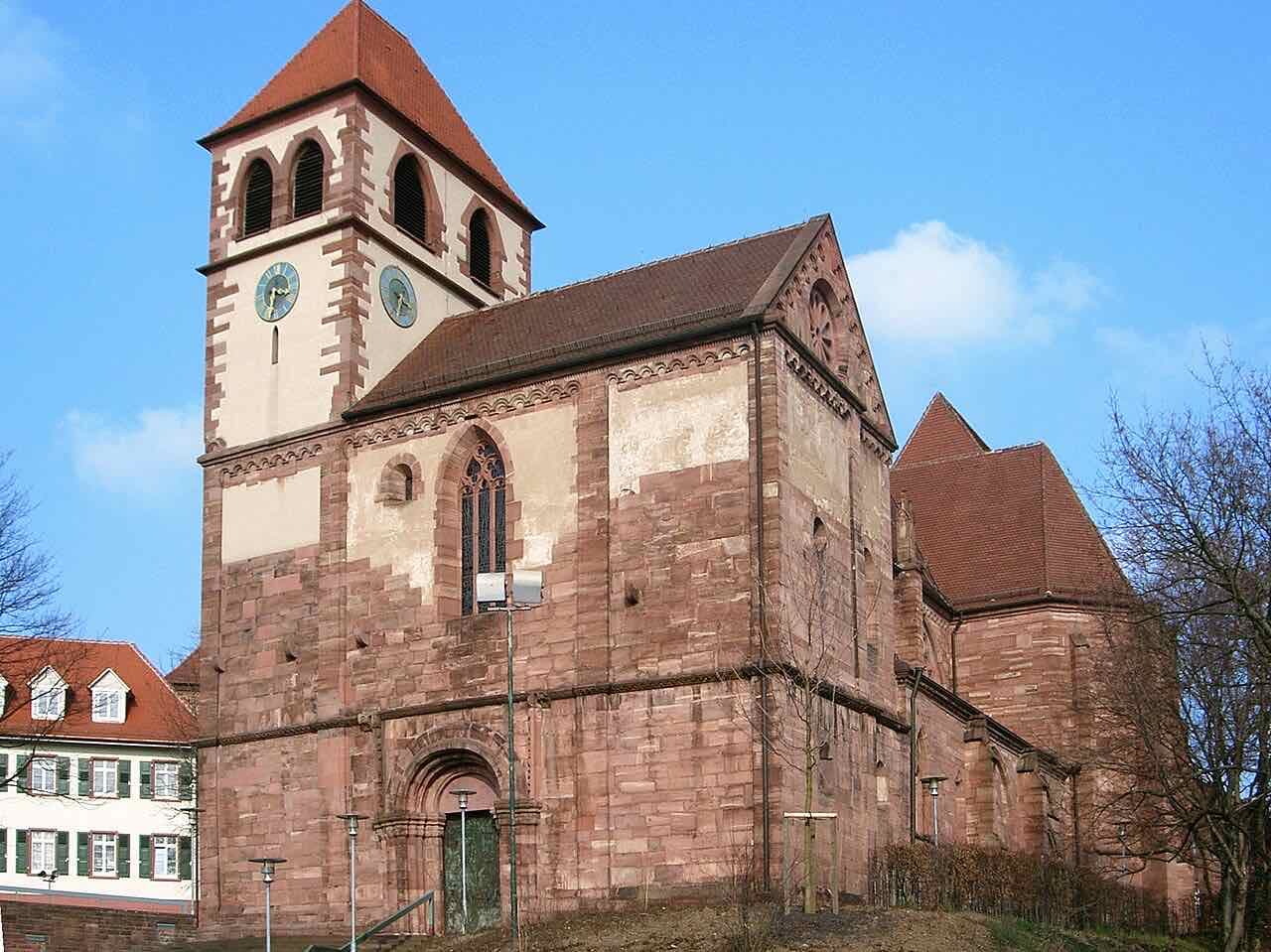
On 23 February 1945 a British air raid killed roughly 17,000 people and destroyed about 83 percent of the city's buildings. That is why the centre looks like the 1950s and 1960s: wide streets, concrete, and some well-regarded post-war architecture, with a few old buildings such as the Schlosskirche St. Michael that survived or were rebuilt. The jewellery and metal industries came back after the war and still define the town.
What to see and do
A first-month list of places in and around the city.
The jewellery museum sits in the Reuchlinhaus, a building from 1957 to 1961 that also holds the city library and an art association. Jewellery is part of Pforzheim's identity; the design school lists a 'Randnotizen' exhibition at the museum until 6 January 2027.
The Stadtmuseum covers city history and the Technisches Museum der Schmuck- und Uhrenindustrie shows how the jewellery and watch industry worked. Visit Pforzheim keeps the list.
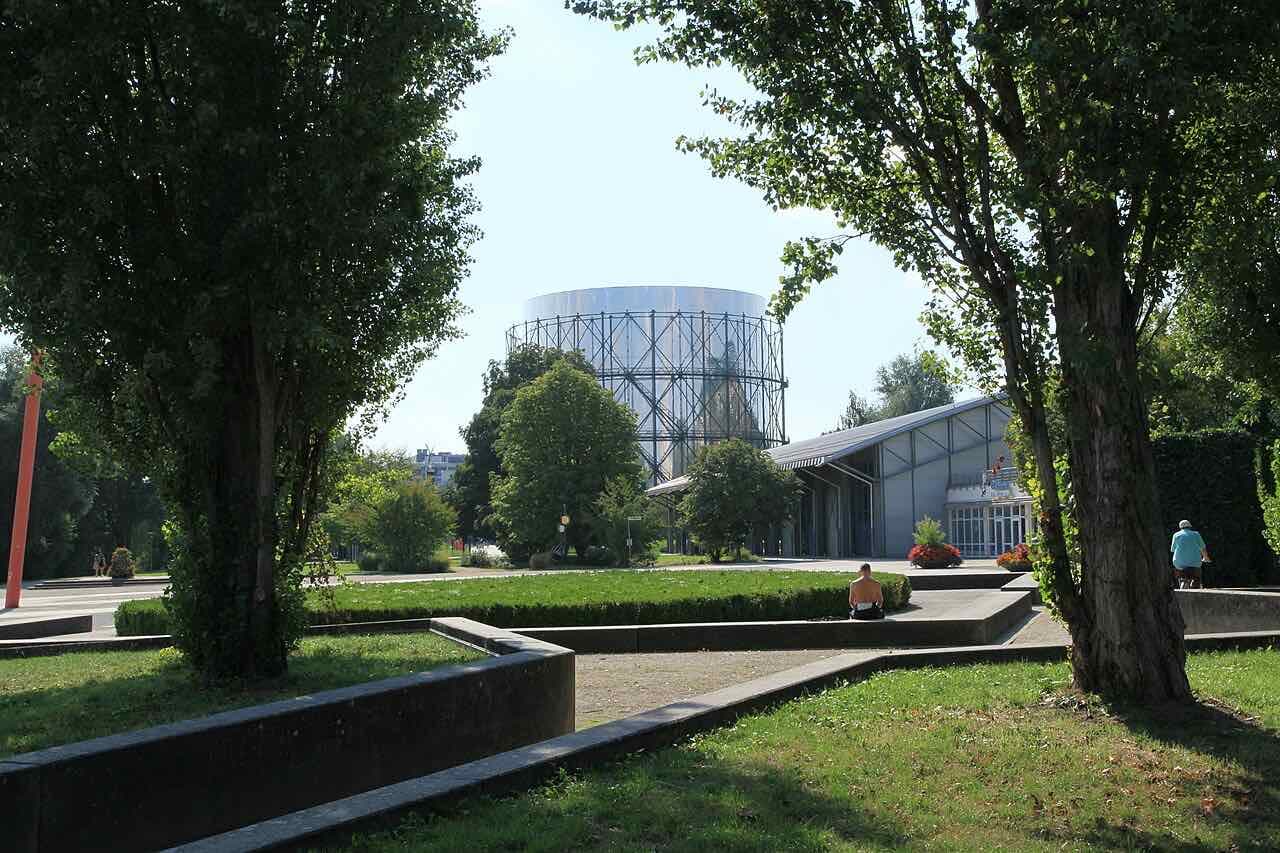
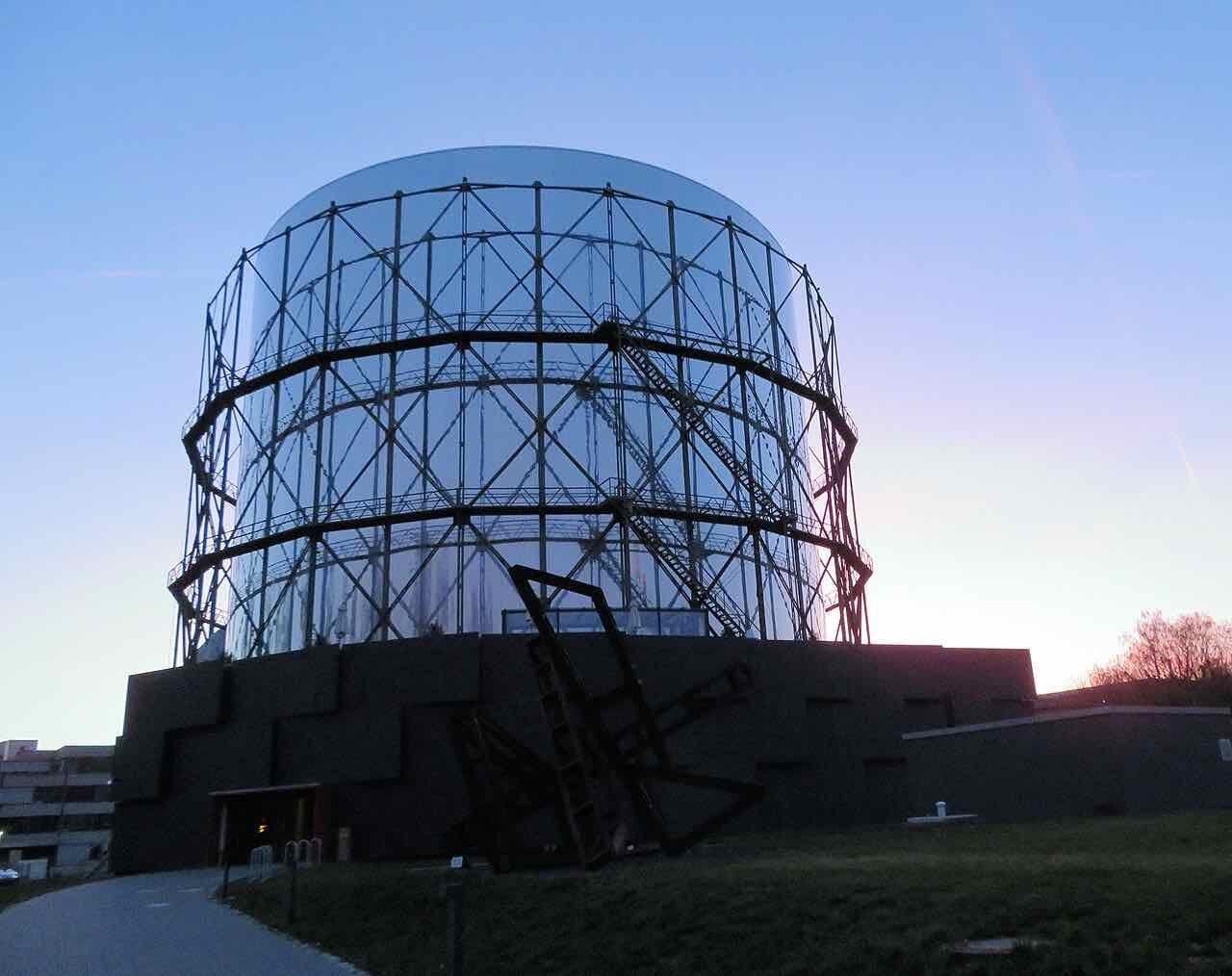
A disused gas holder by the Enzauenpark that now holds a large panorama painting. The park around it is the site of an earlier state garden show and good for a walk along the river.
A wildlife park with a high-ropes course, on Tiefenbronner Straße, the same street as the university campus. The visitor centre holds a tourist information desk with hiking and cycling maps.
The region's biggest culture centre: theatre, cabaret, music, dance and lectures at Osterfeldstraße 12. Students pay 8 EUR less on advance tickets, or a flat 10 EUR at the box office.
Tourist information at the Schlossberg ↗
City walks about the Goldstadt story start here: Am Schloßberg 15-17.
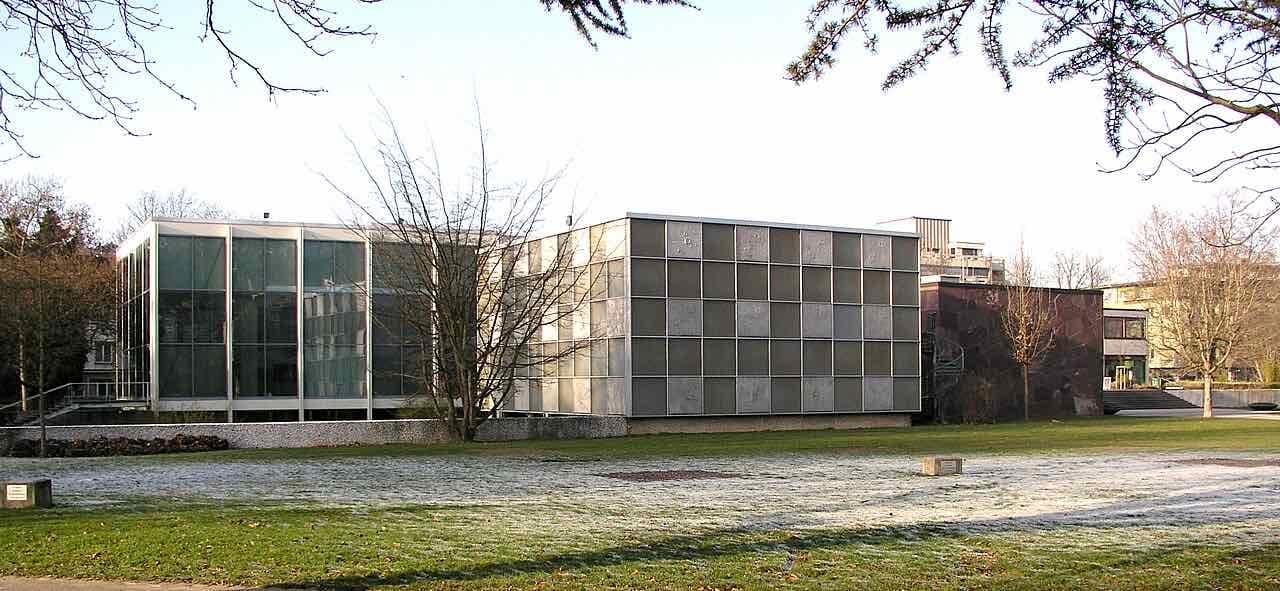
Around the Enz
Nature and weekends
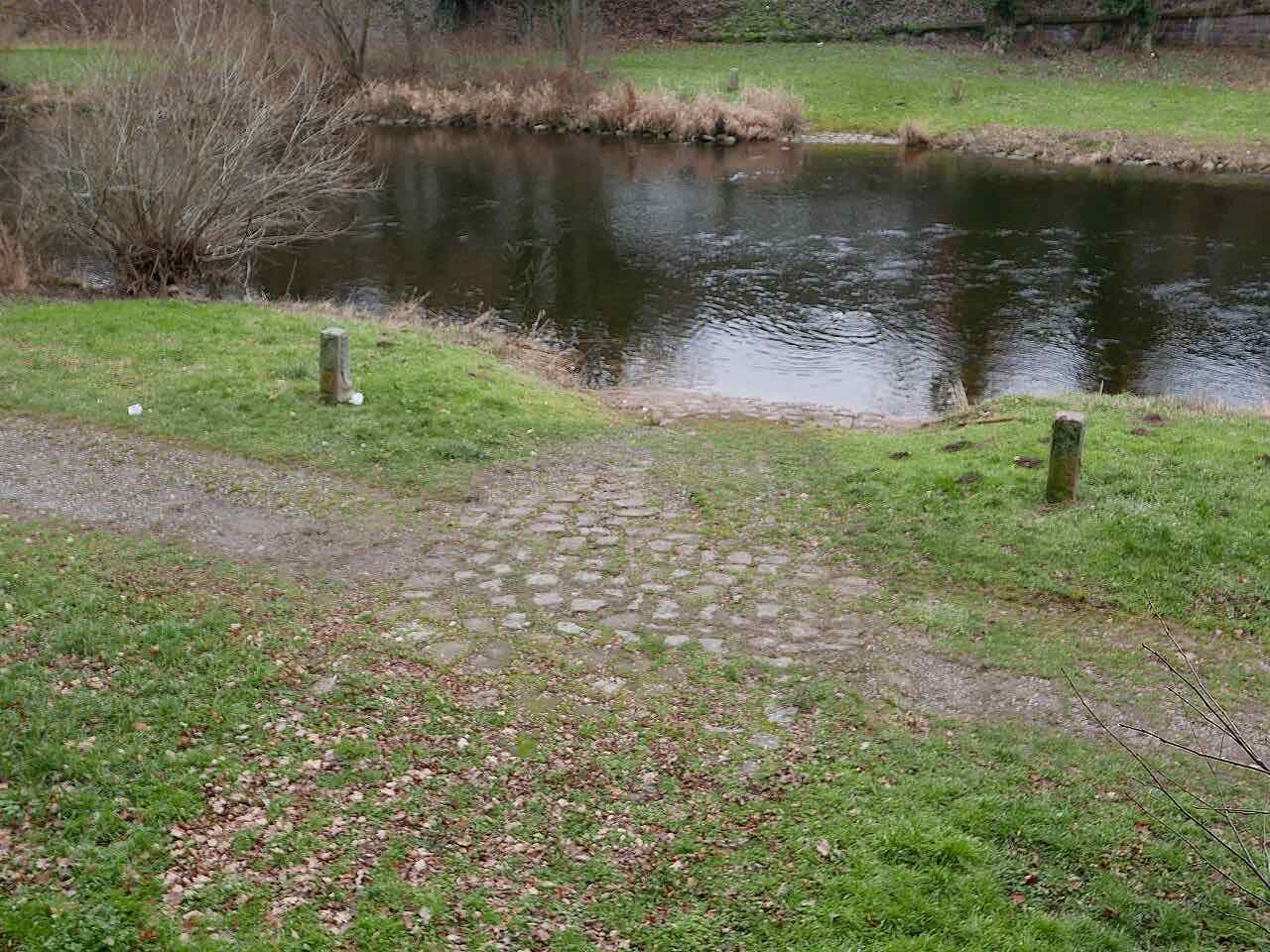
The northern Black Forest starts at the edge of the city, and the university's own pages call Pforzheim its northern gateway. Walking and cycling paths follow the Enz and the Nagold, and longer hikes and ski days are in the forest. The spa towns of Bad Liebenzell and Bad Wildbad are close by.
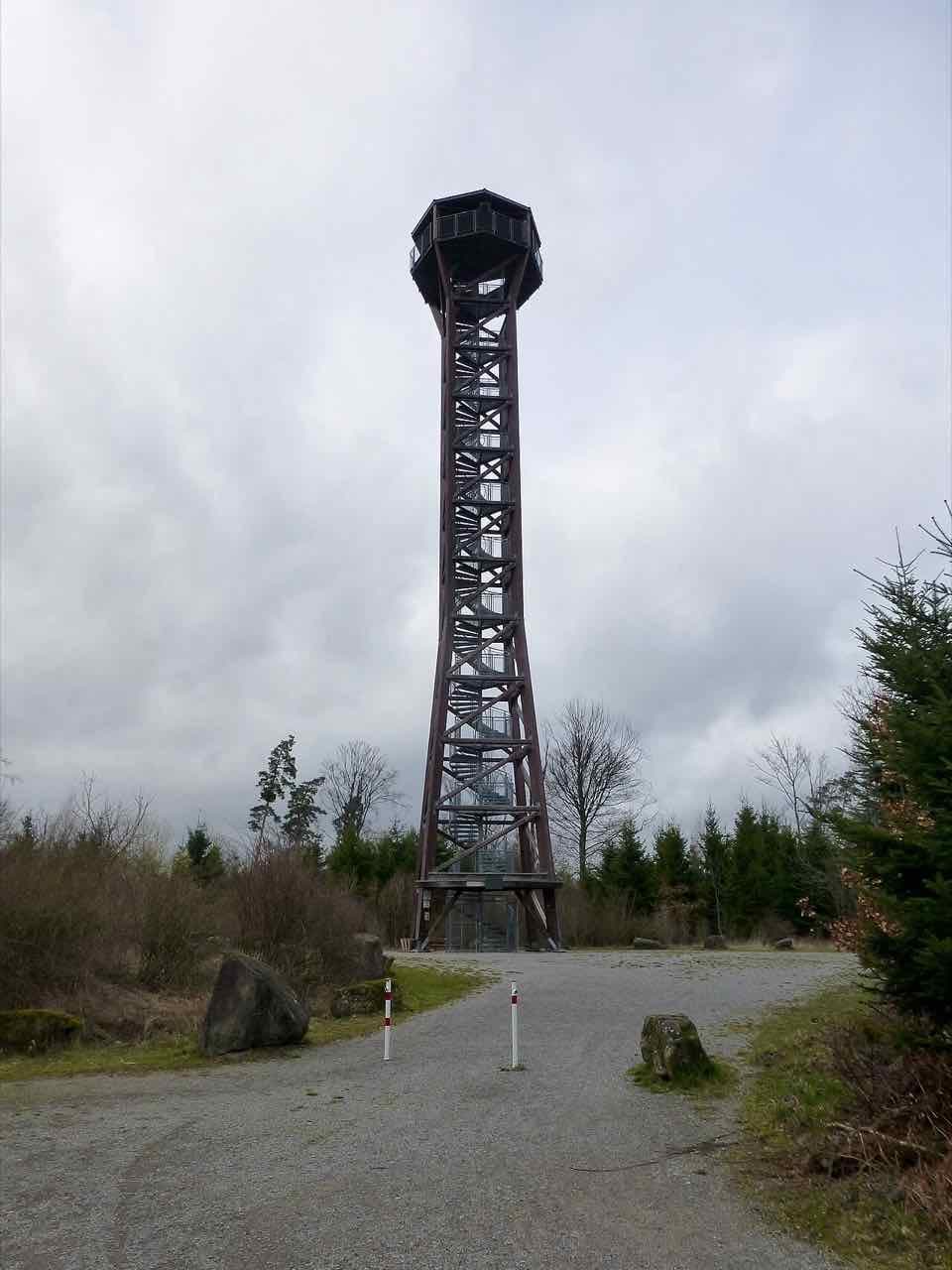
Inside the city limits there is a lookout, the Hohe Warte tower in Hohenwart, and the Seehaus with a sculpture trail in the Hagenschieß woods. Students at the university list Alsace in France, Switzerland and Lake Constance as the usual weekend trips.

Getting around
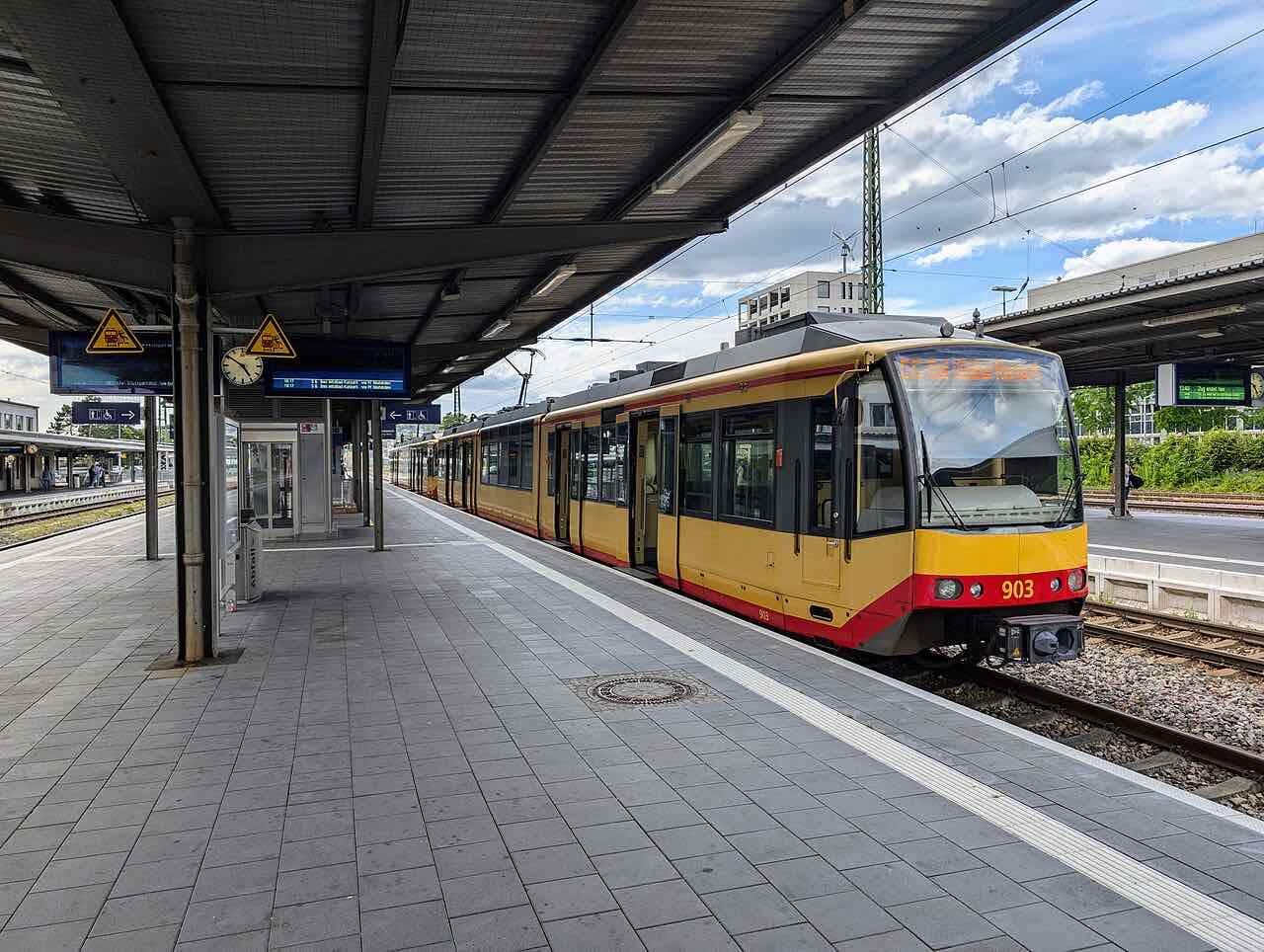
The Hauptbahnhof is on the Karlsruhe to Mühlacker line, with regional trains, the Karlsruhe Stadtbahn lines S5, S51 and S6, and Intercity trains between Karlsruhe, Stuttgart and Nuremberg. The central bus station (ZOB) is the hub for city buses. The A 8 motorway runs just north of the city.
The university budgets about 58 EUR a month for transport, which is the price of the Deutschlandticket for local and regional trains and buses all over Germany.
What a month costs
- Rent including extra charges
- About 300 EUR (200-400 EUR in a student dorm)source
- Food
- About 180 EUR
- Transport (Deutschlandticket)
- About 58 EUR
- Health insurance
- About 140 EUR (about 80 EUR for exchange students)
- Phone, internet, licence fee
- About 19 EUR
- Study materials
- About 50 EUR
- Leisure
- About 80 EUR
- Liability insurance (optional)
- About 10 EUR
- Rental deposit
- Often two monthly rents, about 500 EUR
The university's own estimate for a regular student; the total it gives is about 992 EUR per month.
Who gives people work here
Pforzheim is an old industrial city, and the regional economy around it includes large manufacturers. These are places students look at for internships and thesis topics.
Based on Östliche Karl-Friedrich-Straße in Pforzheim; makes flexible metal hoses, expansion joints and bellows for cars, aerospace and building services. Its site has a page for students.
Firms such as Wellendorff and the metal-technology company Doduco are among the city's named employers, and the university has its own Schmucktechnologisches Institut.
The university points to a regional economy that includes companies such as Daimler, Bosch, IBM and Porsche between Karlsruhe and Stuttgart.
Part 2
Student life in Pforzheim
Where you can study
Hochschule Pforzheim (Pforzheim University) ↗
A public university of applied sciences with around 6,000 students and three schools: Design, Engineering, and Business and Law. The main campus is at Tiefenbronner Straße 65 and 66 with administration, library, the Audimax and the business school; the School of Design is at Holzgartenstraße 36, fashion design at Östliche Karl-Friedrich-Straße 24 and transportation design at Eutinger Straße 111. It began in 1877 as a craft and metalworking school and took its current form after a merger in the 1990s. Programmes include business (BBA International Business with English, French and Spanish as languages, BBA International Marketing in English, MBA International Management), engineering (mechatronics, electrical, mechanical and medical engineering, embedded systems) and design (fashion, industrial, accessory and transportation design, visual communication, jewellery). Language varies by programme: transportation design, for example, is taught in German, so use the course-language filter in the study finder. Research units include the Institut für Angewandte Forschung and the Schmucktechnologisches Institut. The Pforzheim Graduate School for master's programmes belongs to the university.
International office ↗Student unions, services and groups
AStA of the Hochschule Pforzheim ↗
The students' committee. It sells KULTURFLAT tickets at a cost-recovery fee of 2 EUR, posts housing and mini-job offers on the board in front of its office, and keeps office hours Monday to Thursday, 10:00-12:00 and 13:00-15:00.
Verfasste Studierendenschaft Pforzheim ↗
The official student body of the university, the home of student representation and its elections.
ESN / Gemini, the international student group ↗
A student initiative that runs the buddy programme (a German student helps with the city, station pick-up and a SIM card, and stays available all semester), a tandem language exchange, Café Lingua, parties and excursions.
The student services organisation that also covers Pforzheim: dorms, the dining hall and cafeteria on Tiefenbronner Straße, BAföG advice, and counselling.
Campus life and study culture
Pforzheim is a university of applied sciences, so expect smaller groups, project work, and internships built into the degree. The business school and the engineering school sit at Tiefenbronner Straße 65 and 66, and design students work in studios at Holzgartenstraße 36 and at the other design sites.
Most students come from the region, around 300 students are from other countries, and about 200 exchange students come from partner universities each semester. The business school runs an excursion week.
Student culture is relaxed and practical. There are student cafés, clubs and parties around the university, and the AStA hands out KULTURFLAT tickets for cultural events.
Where you can live
The Studierendenwerk Karlsruhe runs five dorms in Pforzheim. Rents include heating, water, electricity and internet.
The Hagenschießstraße 1 building has 178 apartments, 171 furnished and 7 unfurnished, at 294-352 EUR per month, each with a kitchenette, toilet and shower. The building has a gym, a music room and a party room.
64 apartments, each with its own kitchen and bathroom, at 331 EUR per month. Wheelchair-accessible rooms are available.
129 rooms: 124 single rooms in two-room flats, one one-room apartment and four rooms in a shared apartment, at 344-432 EUR per month.
The Studierendenwerk's housing-market page points to the AStA office, to notice boards in the university lobby and to the local papers Pforzheimer Kurier, Pforzheimer Zeitung and Pforzheimer Wochenblatt, which carry most offers on Saturdays. Apply to the dorms early; the Housing Department is at wohnen@sw-ka.de or 0721 6909-144.
Food on campus
- Daily soup
- 0.55 EURsource
- Vegan side dish of the day or salad buffet
- 1.05 EUR
- Chili con carne or chili con soja
- 3.60 EUR
- Fish fillet with parsley potatoes
- 4.45 EUR
- Late buffet, 14:00-14:30
- 3.20 EUR
- Range on one day's menu
- 0.55-5.05 EUR per item
Dining Hall Tiefenbronner Straße, open Monday to Friday, 11:00-14:00, student prices.
Your first weeks
- 1
Before arrival
Non-EU students need a residence permit for study, applied for as a visa at the German embassy or consulate at home. Citizens of countries such as the USA, Japan and South Korea can enter without a visa but must apply for the permit at the local Foreigners' Office.
- 2
In the first days
Register your address at the Bürgercentrum, Östliche Karl-Friedrich-Straße 2. Visits are by appointment only, booked on the city's online system. You need a landlord confirmation (Wohnungsgeberbestätigung) from your dorm or landlord.
- 3
First weeks
Book your residence-permit appointment with the Ausländerbehörde at the same address (Östliche Karl-Friedrich-Straße 2); a visit without an appointment is not possible. Hours: Mon-Wed 08:30-12:00 and 14:00-15:30, Thu 08:30-12:00 and 14:00-18:00, Fri 08:30-12:00.
- 4
First weeks
Take out health insurance (the university plans for about 140 EUR a month, about 80 EUR for exchange students) and consider liability insurance at about 10 EUR a month.
- 5
Every month
You may usually work up to 20 hours a week; during the lecture-free period more is allowed. Self-employed work such as tutoring needs permission from the Foreigners' Office first.
Money, counselling and help
Each semester you pay a social contribution of around 160 EUR (about 120 EUR for exchange students), plus 20 EUR for the student card. Non-EU students pay tuition, which the university currently lists as 1,500 EUR; check the application page for how it is charged.
The Studierendenwerk Karlsruhe also offers psychological help, social counselling and legal advice, and BAföG advice.
Where you come from matters here
Pick your home country: food, faith, community groups and the consulate that serves you, checked 21 October 2026.
🇮🇳 Living in Pforzheim as an Indian student
There is no Indian consulate in Pforzheim. The Consulate General of India in Munich covers Bavaria and Baden-Württemberg and handles passports, OCI and attestation.
Consulate General of India, Munich ↗
The consulate whose jurisdiction includes Baden-Württemberg.
Internationaler Beirat of the city of Pforzheim ↗
The city's advisory board of 21 residents with a migration background plus council members, with an office you can contact.
🇳🇬 Living in Pforzheim as a Nigerian student
There is no Nigerian consulate in Pforzheim. Passports are handled by the embassy in Berlin; for church, the Catholic parish runs an English and French African Mission.
Neue Jakobstraße 4, 10179 Berlin. Passport applications are accepted Monday to Thursday, 10:00-14:00; visa applications go through VFS.
Afrikanische Mission (English/French), Pforzheim ↗
Mass at St. Franziskus, Franziskusstraße 1, on the 1st and 2nd Sundays at 13:00 and the 4th Sunday at 11:00. Contact is Pater Desmond Uche.
🇻🇳 Living in Pforzheim as a Vietnamese student
There is no Vietnamese embassy or consulate in Pforzheim; the embassy is in Berlin. Catholic Vietnamese services are held in Pforzheim only every six to eight weeks.
Elsenstraße 3, 12435 Berlin-Treptow, phone +49 30 53630108; consular procedures and citizen protection.
Vietnamesische Katholische Mission ↗
Mass at St. Elisabeth in Pforzheim on Sundays at 13:30, irregularly every 6 to 8 weeks, run from Bonn by P. Dominik Manh Nam Tran.
Cộng đoàn Công giáo Việt Nam (Vietnamese Catholic community) ↗
The community's own site, in Vietnamese, with Mass schedules and news for Central and Southwest Germany.
🇧🇩 Living in Pforzheim as a Bangladeshi student
There is no Bangladeshi consulate or association in Pforzheim that we could link. The mosque and the city's international board are the places to start.
DITIB Fatih Moschee Pforzheim ↗
Eutinger Straße 105, in the Oststadt, on the same street as the transportation design site. Contact info@ditib-pforzheim.de.
Internationaler Beirat of the city of Pforzheim ↗
A city board of residents with migration backgrounds; you can contact its office at the city administration.
🇵🇰 Living in Pforzheim as a Pakistani student
There is no Pakistani consulate in Pforzheim. For a mosque near campus, the DITIB Fatih Moschee is in the Oststadt.
DITIB Fatih Moschee Pforzheim ↗
Eutinger Straße 105, with separate prayer areas for men and women, a youth group and weekend religious classes. Phone +49 7231 560136.
The city's integration site with migration counselling for adults (Caritas, Diakonie) and a youth migration service.
🇬🇭 Living in Pforzheim as a Ghanaian student
Pforzheim has no Ghanaian association that we could link. What exists locally is an English-speaking church mission and the university's own buddy group.
Afrikanische Mission (English/French), Pforzheim ↗
Catholic services in English and French at St. Franziskus on three Sundays a month. An English-language Mass on the 4th Sunday at 11:00 is also listed.
ESN / Gemini buddy programme ↗
A local student meets you, helps with the station pick-up and a SIM card, and stays available through the semester.
🇨🇲 Living in Pforzheim as a Cameroonian student
Pforzheim has no Cameroonian association we could link. The Afrikanische Mission holds services in English and French, which suits students from both parts of Cameroon.
Afrikanische Mission (English/French), Pforzheim ↗
Services at St. Franziskus, Franziskusstraße 1, with Pater Desmond Uche as contact.
Caritas and Diakonie migration counselling ↗
The city's integration site lists migration counselling at Caritas (Blumenhof 6) and Diakonie (Melanchthonstraße 1) for adults.
English-taught programmes in Pforzheim
Soonest open deadline first. Every entry links to its official source.
- Business Administration / Digital Business Management (BSc)Pforzheim University · Pforzheimbachelor31 May 2027Open
- Corporate Communication Management (MSc)Pforzheim University · Pforzheimmaster15 Jun 2027Open
- Digital Business Management (MSc)Pforzheim University · Pforzheimmaster15 Jun 2027Open
- Bachelor of Business Administration / International Marketing (BSc)Pforzheim University · Pforzheimbachelor15 Jul 2027Open
- Master of Business Administration in International Management (MBA)Pforzheim University · PforzheimmasterSee sourceCheck source
Is Pforzheim right for you? Ask us. Free.
Tell us your passport, grades and budget. We compare Pforzheim with the other places you could study, then apply for you. You never pay us.
Get my free plan