Studying in Mecklenburg-Vorpommern, Germany
Rostock
A Baltic port city with the oldest university in the Baltic region, a beach inside the city limits and ferries to Scandinavia.
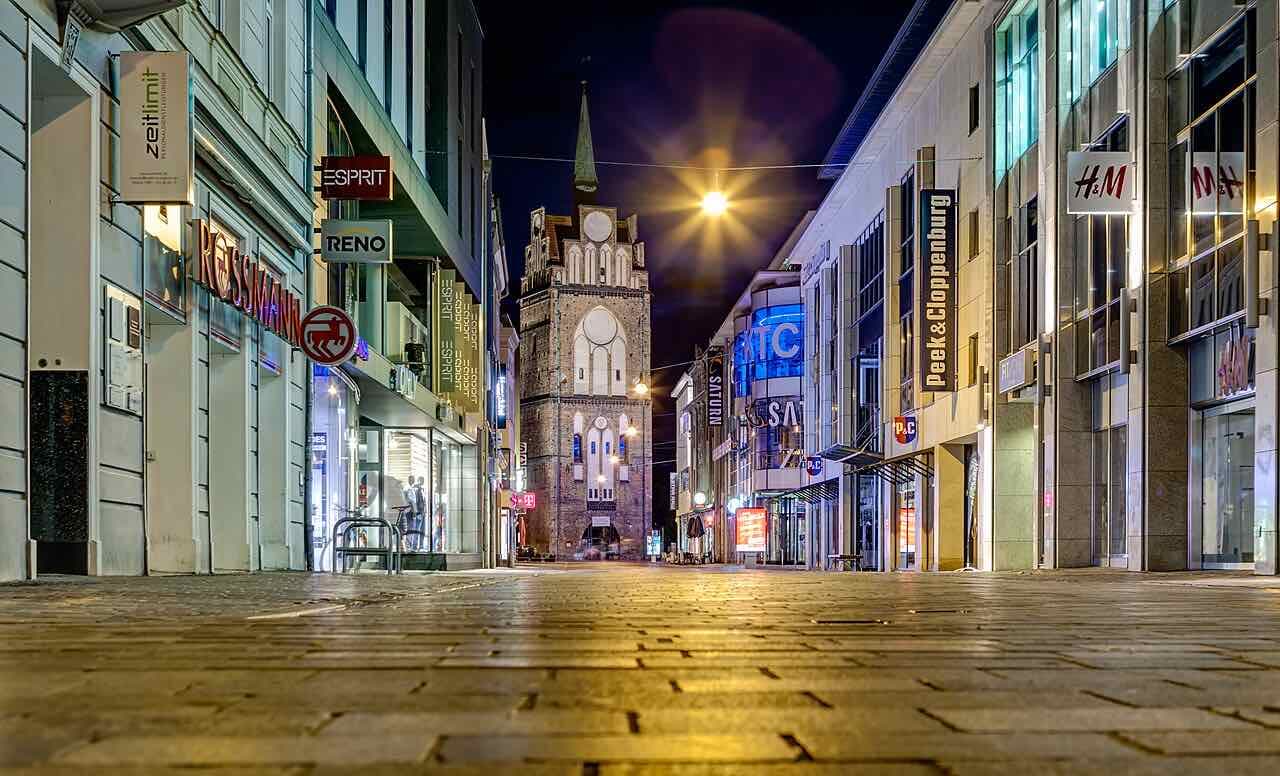
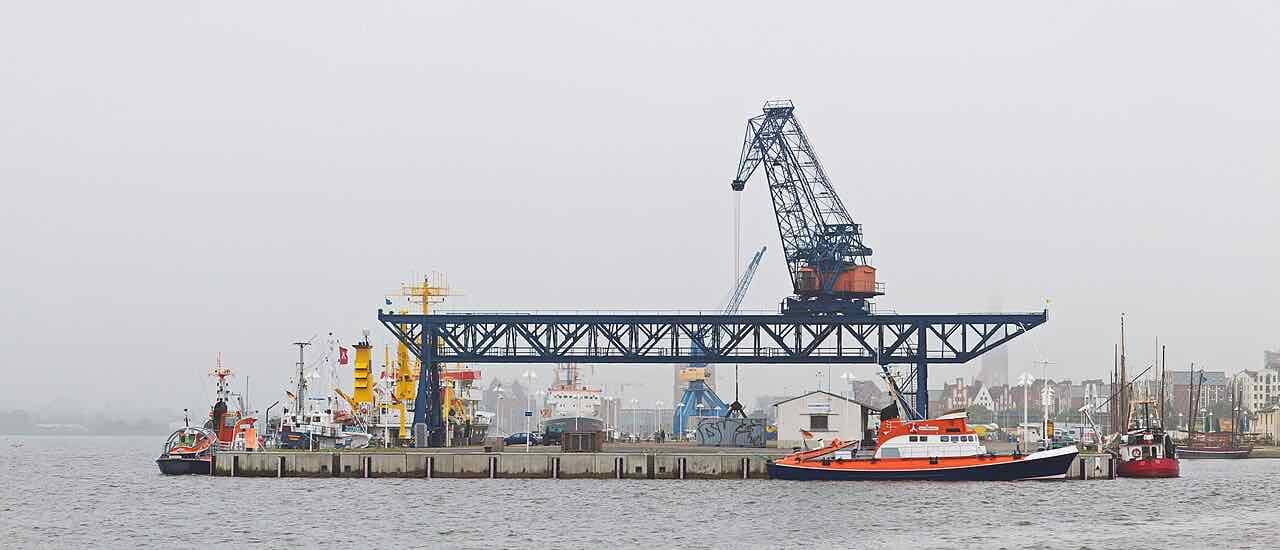
Rostock is a Hanseatic port of about 205,000 people where a university founded in 1419 sits in the middle of a working harbour. You study in brick-Gothic streets in the morning and can be on a sandy Baltic beach in Warnemünde on the same afternoon, because the seaside district belongs to the city. The Kröpeliner-Tor-Vorstadt is the student district named on the university's housing page, the nationwide semester ticket is included in your fees, and the Studierendenwerk runs ten dorms in Rostock itself. The city also hosts research institutes in ocean science, catalysis, demography and large-structure manufacturing, and ferries leave from here to Denmark, Sweden and Finland. It is not a big multicultural metropolis: there are no consulates for the countries most of our students come from, and the local communities are small. In return, the university says rents are affordable compared with other German cities, and the sea, a coastal forest and the harbour are all inside the city.
- Population
- 204,929 (31 Dec 2025), on 181.44 km²
- City rights and Hanse
- Lübeck city rights in 1218; member of the Hanseatic League from 1251
- University founded
- 1419, described by the university as the oldest in the Baltic Sea region
- Trains and air
- IC 17 rail link to Berlin Brandenburg Airport; Rostock-Laage Airport southeast of the city has seasonal flights to Antalya
- Semester ticket
- Included in the semester fee and valid on local transport across Germany on Deutschlandticket terms
- Dorm rent, Studierendenwerk
- From 309 to 499 euros a month in the two houses read for this page, utilities included
Part 1
Living in Rostock
A port, a university and a very old city
Rostock received Lübeck city rights in 1218 and joined the Hanseatic League in 1251. In 1323 it took in Warnemünde at the river mouth, which gave the merchants direct access to the sea. The University of Rostock followed in 1419. A fire destroyed more than a third of the city in 1677, and Soviet troops took it on 2 May 1945. Its population peaked at about 254,000 in 1988, fell to around 200,000 after reunification and has been growing again since 2006.
What that means on the ground: the old town still has its brick-Gothic buildings and the medieval Kröpeliner Tor, Steintor and other gates, and the harbour is still in use. The university's international office sits on the Kröpeliner Straße at number 29, and the student dorms are spread over the old town, the Kröpeliner-Tor-Vorstadt, the Südstadt, Lichtenhagen and Warnemünde.
What to see and do in the city
A first-month list, in roughly the order a student tends to get to them.
Marienkirche and the Neuer Markt ↗
The St.-Marien-Kirche stands at Bei der Marienkirche 1 and has an English visitor-information section on its website, with a page on its astronomical clock. The Neuer Markt is the square beside it.
City history, art and culture in the former Holy Cross monastery at Klosterhof 7. Entry is free; open Tuesday to Sunday, 10:00 to 18:00.
A floating museum of shipping history at Schmarl-Dorf 40, next to the IGA Park, with more than 12,000 objects from Hanseatic times to the present and a smartphone tour.
Zoo Rostock and the Darwineum ↗
The zoo's Darwineum combines an evolution exhibition and a tropical hall, and gorillas live there. The visitor entrance is Barnstorfer Ring 1.
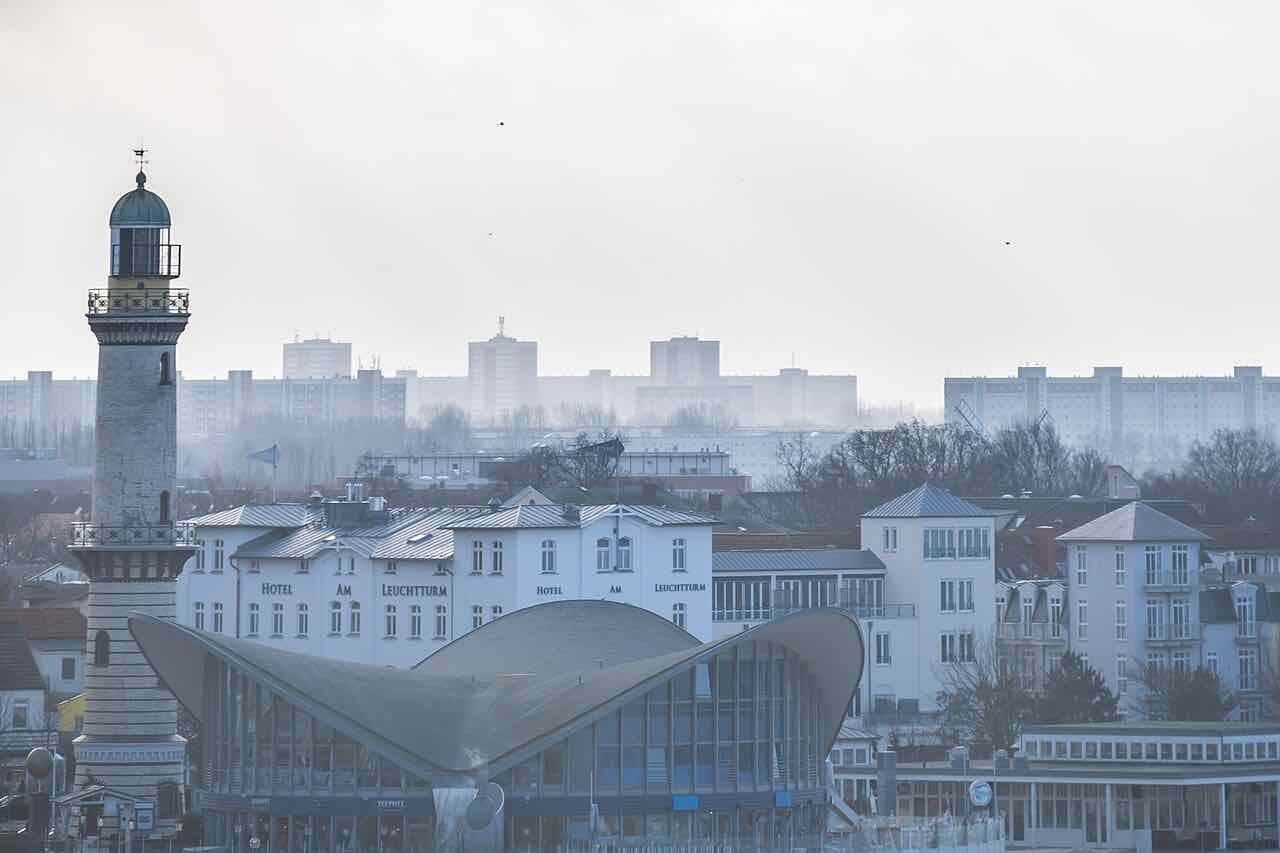
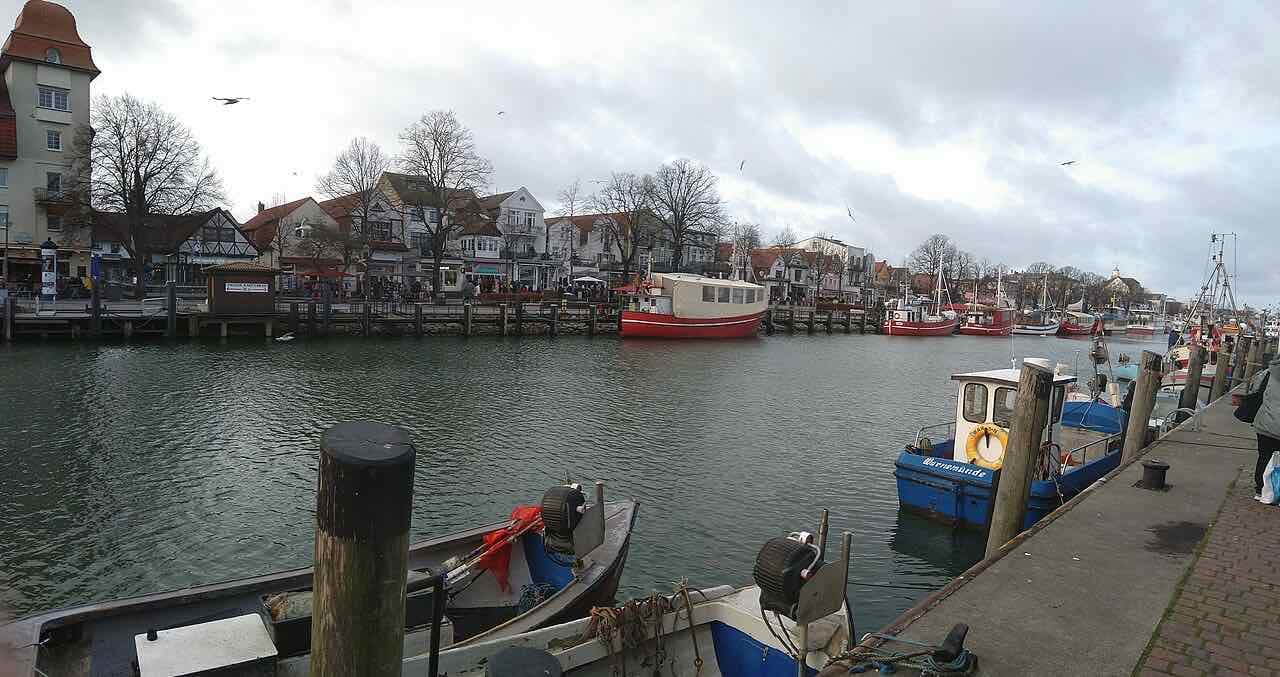
The beach, the lighthouse and the Teepott, and the Alter Strom channel with its fishing boats. It is a district of Rostock, about 16 km north of the historic centre.
A literature centre in the Peter-Weiss-Haus, and one of the partners of the student culture ticket.
Warnemünde and the coast
Water, forest and weekends
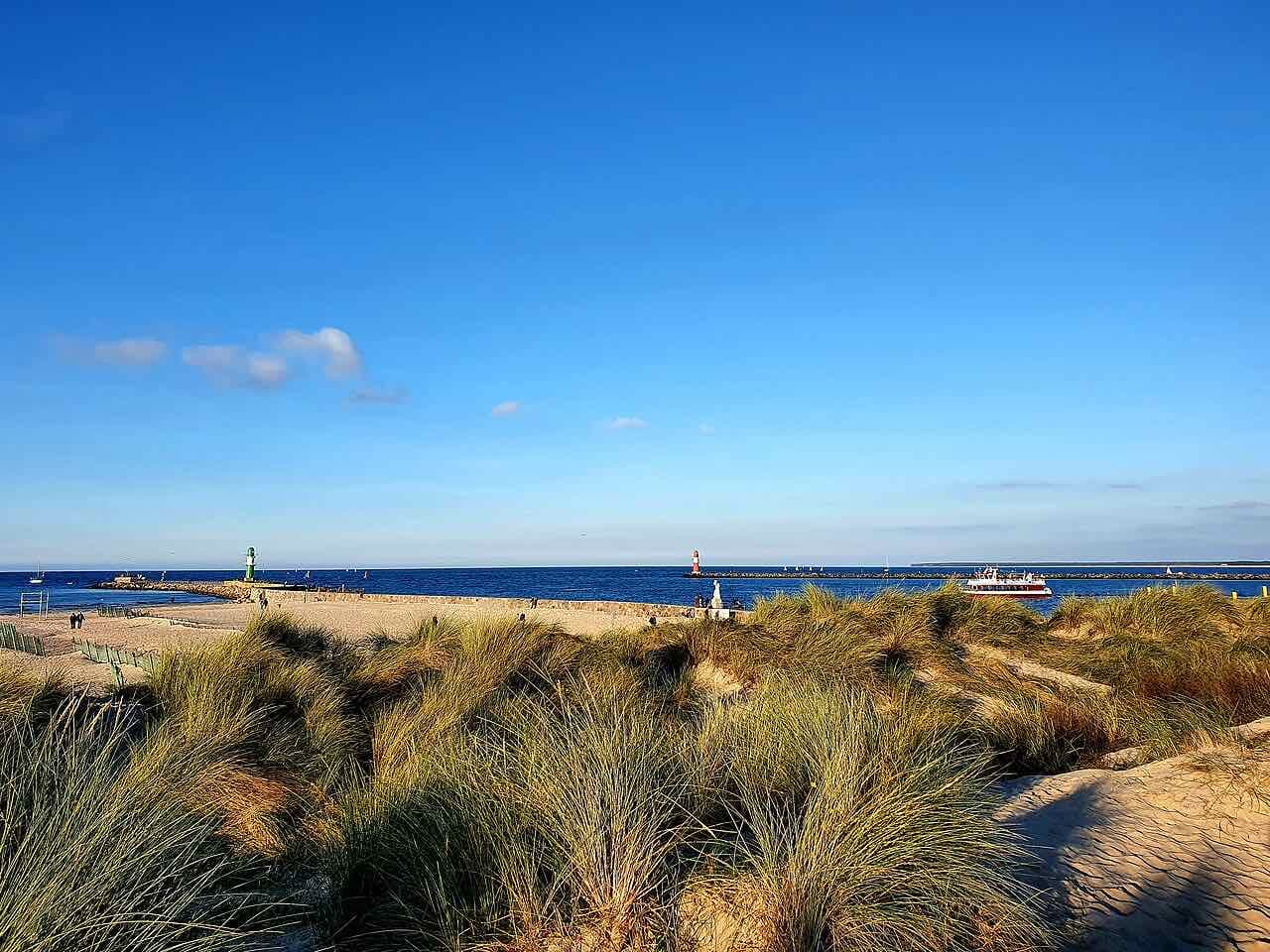
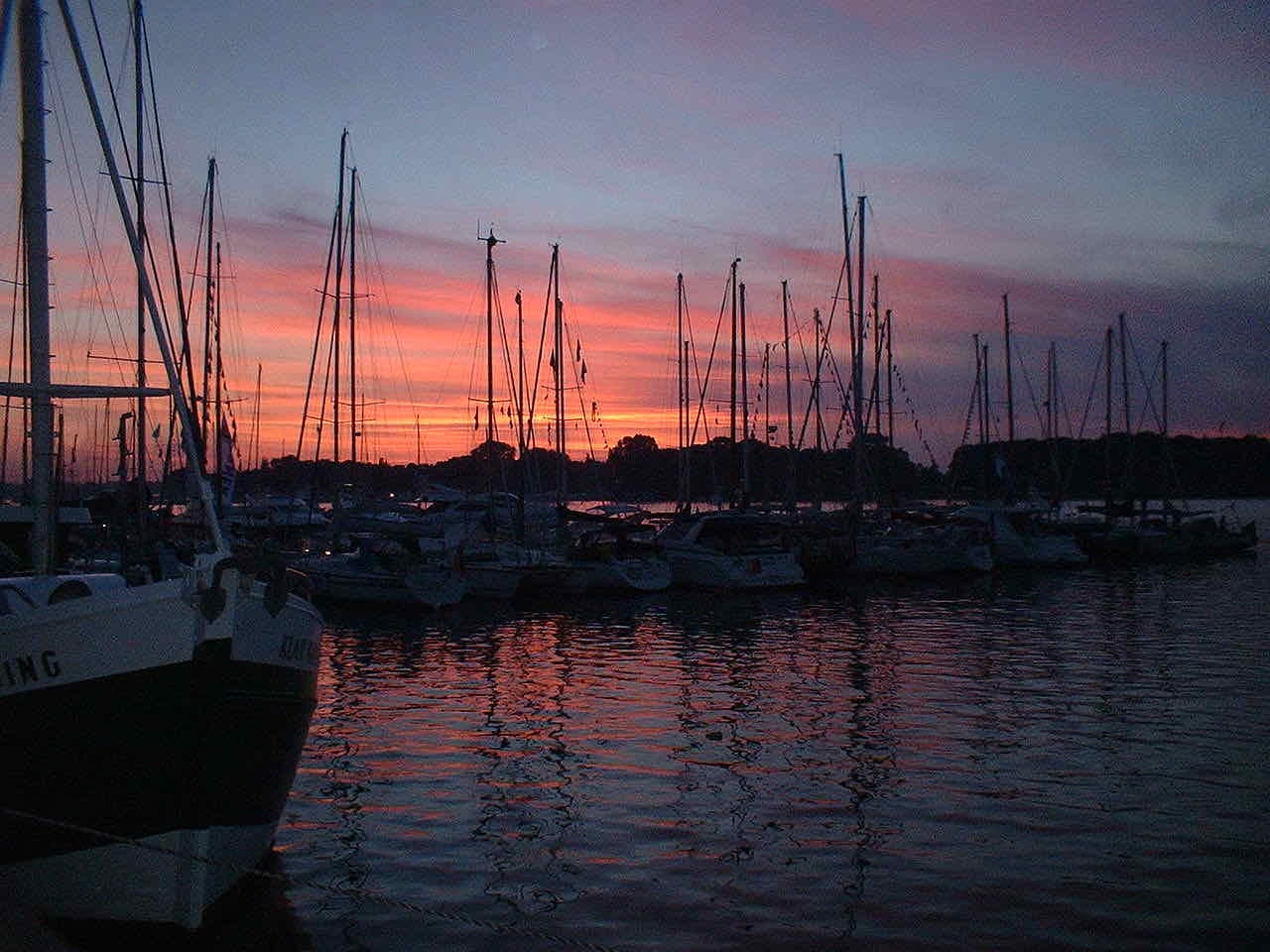
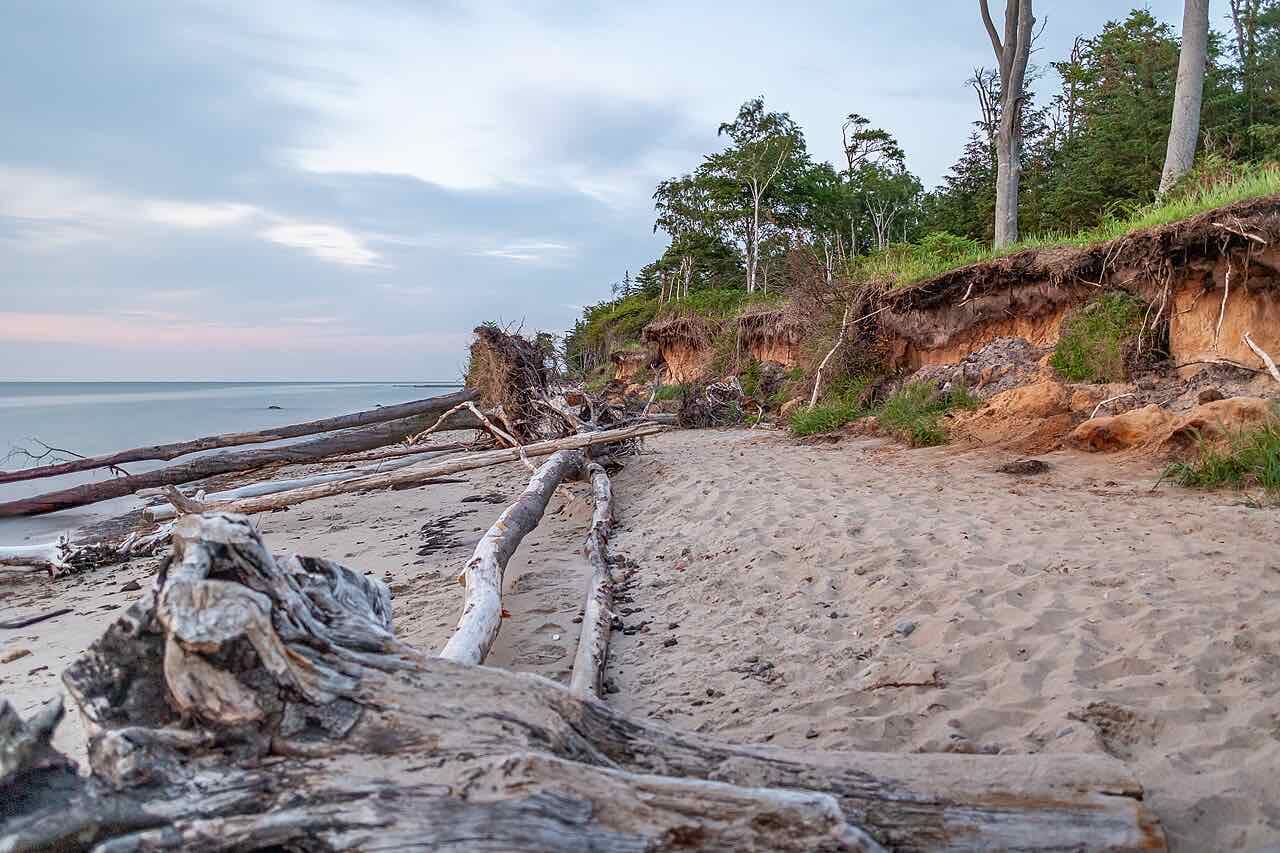
The Warnemünde beach is sand, with dunes behind it, and the Rostocker Heide, a coastal forest on the edge of the city, has paths for walking, hiking and cycling. The city's tourism site also lists sailing, water sport and boat trips. Further out, ferries run from the Rostock port to Gedser in Denmark (the Hochschule Wismar's Warnemünde page says just under two hours, roughly every two hours) and to Trelleborg in Sweden (about six hours), as well as to Helsinki, Nynäshamn and Visby. A weekend in Denmark is a ferry ticket away.
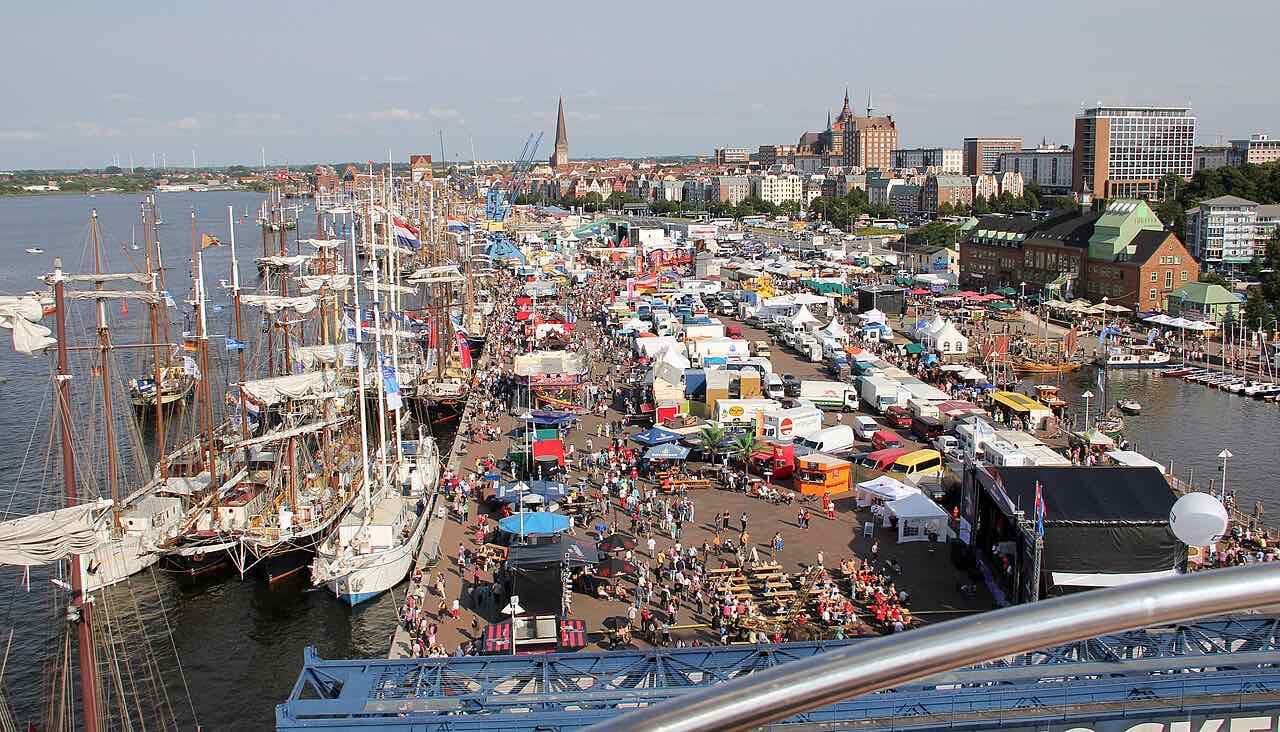
The big annual event is Hanse Sail, which gathers more than 100 traditional and museum sailing ships in Rostock and Warnemünde, with a stage programme, markets and fireworks. The next one runs from 5 to 8 August 2027. The Warnemünder Turmleuchten opens the city's event year, and the Rostocker Weihnachtsmarkt ends it.
Getting around
Rostock has buses and trams run by the RSAG, an S-Bahn run by Deutsche Bahn, and the Gehlsdorf ferry. The city's integration guide notes that tram and bus tickets are also valid on the S-Bahn, and that riding without a valid ticket costs a 60 euro fine. RSAG customer centres are at the Hauptbahnhof (north side), Lange Straße and Lütten Klein.
As a student you will rarely buy a ticket: the semester fee includes a nationwide ticket on Deutschlandticket terms. For the winter semester 2026/27 it arrives digitally on 1 October 2026 if you are enrolled on time; if you enrol after 21 September you must register in the AStA portal and upload your enrolment certificate. Bikes are not covered, but you can add a Rostock-only bike option from the VVW or RSAG for an extra fee. A normal Deutschlandticket costs 63 euros a month from 1 January 2026, according to the integration guide.
What it costs
- Dorm, apartment for one person, Albert-Einstein-Str. 28/29 (Südstadt)
- 364 euros a month, utilities includedsource
- Dorm, single room in a shared flat, same house
- 309 to 354 euros a month, utilities includedsource
- Dorm, apartment for one person, Ulmenhof (Kröpeliner-Tor-Vorstadt)
- 384 to 499 euros a month, utilities includedsource
- Dorm, single room in a 2-person shared flat, Ulmenhof
- 344 to 389 euros a month, utilities includedsource
- Dorm deposit
- 300 to 400 euros depending on room type, collected with the first rentsource
- Mensa Süd, a main dish at student price (example menu, 21 Oct 2026)
- 2.00 euros for a breaded chicken schnitzel, 2.60 euros for beef bolognesesource
- Mensa soup, small and large (same menu)
- 0.95 and 1.95 eurossource
- Local public transport
- Included in the semester fee (Deutschlandticket terms)source
- Kulturhistorisches Museum
- Free entrysource
- ISIC international student card
- 18 euros, valid one yearsource
Figures are read from the Studierendenwerk's own pages on 21 October 2026. Prices can change at the next semester.
Work, research and where jobs come from
Rostock's research base is maritime, technical and applied. The Leibniz Institute for Baltic Sea Research is in Warnemünde, the Leibniz Institute for Catalysis in the Südstadt, the Max Planck Institute for Demographic Research at Konrad-Zuse-Straße 1, and the Fraunhofer Institute for Large Structures in Production Engineering works on shipbuilding, steel construction, energy and a hydrogen application centre. The Fraunhofer institute says it works closely with the University of Rostock, so that is the route in for engineering students.
For part-time work, the AStA runs a job board at jobs.asta-rostock.de and the university has a careers service. Your right to work depends on your residence permit; the Migrationsamt decides, so ask there before you sign a contract. EU citizens may work without restriction, the city's integration guide says.
Safety and how to be heard if something goes wrong
Rostock was the scene of the Lichtenhagen riots in 1992. In August 2026 the Diên Hông association marked the anniversary of the Lichtenhagen pogrom with a film screening, and the town hall hosted an exhibition of Vietnamese Rostockers' life stories. Racism exists in Mecklenburg-Vorpommern as elsewhere in Germany, so it helps to know where to go.
The AStA has an anti-discrimination and equality counselling service, the Law Clinic Rostock advises people with residence-status questions, and the city's integration guide lists anti-racism contact points, including the documentation centre on antisemitism and the group antiraktiv. Use them early; they exist because people ask.
Part 2
Student life in Rostock
Where you can study
Founded in 1419, with about 14,000 students and nine faculties plus an interdisciplinary faculty whose profile lines include Maritime Systems and Life, Light and Matters. Its natural-sciences campus is in the Südstadt and the international office is at Kröpeliner Straße 29. International English-taught Master's programmes listed by the university are Computational Science and Engineering (M.Sc.), Electrical Engineering (M.Sc.), Computer Science International (M.Sc.) and the Erasmus Mundus Integrated Advanced Ship Design (EMship, M.Sc.). For other degrees the university asks for proof of German at the level your programme sets (accepted proofs include DSH, TestDaF, telc and Goethe-Zertifikat). Rostock has no Studienkolleg; Hamburg and Wismar are the nearest.
International office ↗Hochschule für Musik und Theater Rostock (hmt) ↗
A university of music and theatre at Beim St.-Katharinenstift 8 in the old town. Its degree areas are music, theatre studies, teaching and pedagogy, and science, and it says about 30 percent of its students are international.
International office ↗Hochschule Wismar, Rostock-Warnemünde branch ↗
Wismar's main campus is in Wismar (Philipp-Müller-Straße 14); the Department of Maritime Studies is at the Warnemünde site, about three minutes' walk from the Warnemünde-Werft rail stop. The faculties are Engineering, Business, and Architecture and Design. Wismar's English-language list includes Marine Engineering (Bachelor and Master) and Marine Transportation (Master), described as bi-national German-Indonesian programmes; check which site each is taught at.
International office ↗Leibniz Institute for Baltic Sea Research Warnemünde (IOW) ↗
A non-university research institute in Warnemünde for interdisciplinary marine research, focused on the Baltic Sea ecosystem. It has five departments: Physical Oceanography, Marine Chemistry, Biological Oceanography, Marine Geosciences and Marine Observation, and lists jobs and scholarships on its site.
Max Planck Institute for Demographic Research (MPIDR) ↗
At Konrad-Zuse-Straße 1, studying population change, ageing, fertility and digitisation. Its doctoral route is the International Max Planck Research School for Population, Health and Data Science; it also lists the International Advanced Studies in Demography and the European Doctoral School of Demography.
Leibniz Institute for Catalysis (LIKAT) ↗
At Albert-Einstein-Straße 29a in the Südstadt. It grew out of an institute founded in Rostock in 1952 and is one of the largest publicly funded applied-catalysis institutes in Europe. It has a PhD and postdoc section on its site.
Fraunhofer Institute for Large Structures in Production Engineering (IGP) ↗
Works on joining, forming and automation for large structures in shipbuilding, steel construction, energy and rail, with a hydrogen application centre. It works closely with the University of Rostock, which is where students usually meet it.
Student unions, services and groups
The general student committee. Its pages list counselling on study, social questions, anti-discrimination and housing, the nationwide semester ticket, equipment lending, a job board and the student magazine heuler. Office at Friedrich-Engels-Platz 6, closed on Wednesday and Thursday.
The student council with elected representatives from all faculties; it meets about once a month and sets the AStA's course.
Hochschulgruppen at the University of Rostock ↗
The AStA's page of 13 accredited groups: E-Sport Bund, the trade-union group, Law Clinic Rostock, NAJU, Hochschul-SMD, Students for Future, the student consultancy STUB, Kritische Medizin, the physics Schauvorlesung, Coast Connects and ESN LEI Rostock, among others.
Studierendenwerk Rostock-Wismar ↗
Dorms in Rostock and Wismar, five Mensen and cafeterias in Rostock, social, psychological and legal counselling, and an international section. Office at St.-Georg-Straße 104-107.
The Erasmus Student Network group, listed on the university's international pages and in orientation week. It runs excursions and the AusLEIhservice, which lends items to new arrivals.
University sport, in the Universitätssporthalle at Justus-von-Liebig-Weg 3, with a UniSport-O-Mat to match you with a course, a partner board and a water-sport facility. The university calls the offer very low-cost.
Studentische Unternehmensberatung Rostock (STUB) ↗
A non-profit student consultancy that advises regional companies and gives members practical experience.
Christian students from several churches who meet to discuss faith.
Founded in 1970 and described by the university as the oldest active student cabaret in Germany.
Campus and study culture
The University of Rostock is spread across the city rather than one campus. The rectorate is at Universitätsplatz 1 in the old town, and the university describes a completely new campus for natural sciences in the Südstadt, where the Studierendenwerk's Albert-Einstein-Straße dorm is described as close to the university library, a Studierendenwerk cafeteria and the South Campus. The Faculty of Mechanical Engineering and Marine Technology is in the Südstadt too, where the student club ST-Club has its home.
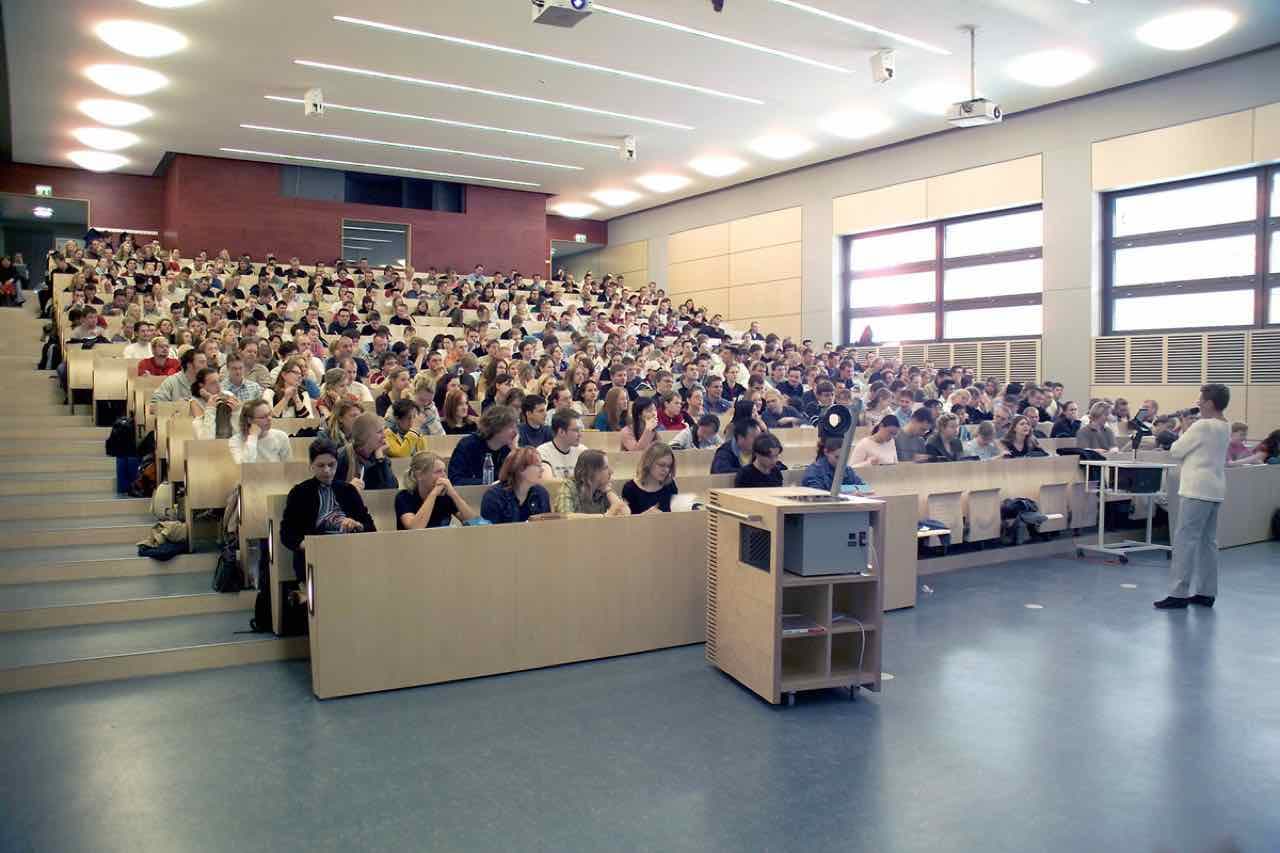
About 14,000 students are enrolled. The international office offers advice for degree and exchange students on Tuesdays and Thursdays and a Welcome Center for doctoral students and researchers. For counselling during your studies the university points to its Student Service Center and a counselling navigator.
Housing: how to get a room
The Studierendenwerk runs ten dorm houses in Rostock: three in the Innenstadt (Gerhart-Hauptmann-Straße and two on St.-Georg-Straße), Ulmenhof and Ulmenstraße 45a in the student quarter, Möllner Straße in Lichtenhagen, three in the Südstadt (Albert-Einstein-Straße, Erich-Schlesinger-Straße, Max-Planck-Straße) and Friedrich-Barnewitz-Straße in Warnemünde. Applications are online at any time; the winter-semester round opens on 1 April and the summer round on 1 September. Allocation for the winter semester starts on 15 July. The Studierendenwerk says a place in Rostock usually takes about three months, longer if you insist on an apartment, and you get an offer or a rejection at least four weeks before the semester starts. Leases run to a fixed date and can be extended by up to two semesters.
The university's housing page lists eight housing cooperatives (WIRO, WG Warnow, Union, WGSH, WG Marienehe, BG Neptun, WG Süd and Neue Rostocker), several flat-share portals and hostels for the first nights. Notice boards sit in many university buildings, including Parkstraße 6 and the canteens. The AStA has a housing-market reader in German and English and a social counselling hour on Tuesdays from 16:00 to 17:00.
Food: the Mensen
The Studierendenwerk runs five Mensen and cafeterias in Rostock. Since 1 October 2025 only one register per Mensa takes cash; the rest take cards, phones or a Mensa-Card.
On the sample menu a schnitzel was 2.00 euros and a bolognese 2.60 euros at student price.
On St.-Georg-Straße; on the sample menu potatoes were 0.85 euros and a barbecue rib burger 2.40 euros at student price.
Evening menu from 17:00 with pizza and burgers; on the sample day a Margherita was 5.00 euros and a burger 6.00 euros.
Mensa Kantilene (hmt) and Mensa Multiple Choice ↗
The other two sites in the Studierendenwerk's list; see the menus page for what is served today.
Sport, culture and nights out
The university lists four clubs of its own; the city adds a student culture ticket that works at a long list of venues.
Rostock's oldest student club, founded in 1969, with themed parties, a Wednesday happy hour and an inner courtyard.
A live-music and DJ venue near the city harbour for up to 900 people.
A student-run club in the Südstadt on the grounds of the mechanical engineering and ship technology department, with game nights and department parties.
A club in a former air-raid shelter with weekend parties, a pub and a cinema series run with the AStA.
A student culture ticket whose partners include the Volkstheater, Kunsthalle, Kulturhistorisches Museum, Literaturhaus, Peter-Weiss-Haus, JAZ Rostock, the Mau Club and the hmt.
An open-air sports area in the city harbour with a streetball court and fitness equipment, listed in the city's integration guide.
Your first weeks
- 1
Before you arrive
Apply for a dorm place through the Studierendenwerk and get your enrolment certificate ready; it is needed when you sign a dorm lease. Take out health insurance, which is compulsory for people with a residence permit.
- 2
Week 1
Join orientation week run by the International Office. The preliminary programme for winter 2026/27 starts on Tuesday 6 October with a welcome seminar on the South Campus, includes a group registration at the Ortsamt Stadtmitte on 7 October (sign up by email first) and a library introduction. ESN and the AStA present their work.
- 3
Within two weeks of moving in
Register your address at one of Rostock's five Ortsämter; you need your passport or ID, a registration form and the landlord's confirmation (Wohnungsgeberbescheinigung). Late registration can be fined.
- 4
Weeks 1 to 4
If you are not an EU citizen, book an appointment online with the Migrationsamt at Neuer Markt 3 for your residence permit. Visits without an appointment are not possible. It is open Monday 9:00 to 12:00, Tuesday 9:00 to 12:00 and 13:30 to 18:00, Thursday 9:00 to 12:00 and 13:30 to 16:00.
- 5
Week 1
Open a bank account (bring passport and residence permit or proof of arrival), and check that the digital semester ticket is active on 1 October if you are a new winter-semester student.
- 6
Any time
Go to the ESN events, the Newcomer Café or a language café to meet people outside your course.
Where you come from matters here
Pick your home country: food, faith, community groups and the consulate that serves you, checked 21 October 2026.
🇳🇬 Living in Rostock as a Nigerian student
Rostock has no Nigerian consulate, and the city's integration guide lists no Nigerian association. Passport matters go to the embassy in Berlin. A church and a newcomer café are the places to start.
At Neue Jakobstraße 4, 10179 Berlin. It accepts passport submissions Monday to Thursday 10:00 to 14:00, requires a NIN and a prior appointment through the Nigeria Immigration website, and charges a 30 euro administrative fee on top of statutory fees.
A church in the old town at Bei der Marienkirche 1, with an English section on its website for visitors and worship.
Newcomer Café by Rostock hilft e.V. ↗
A meeting place for newcomers at Budapester Straße 16, whose pages are in German, English, Spanish, French and Russian. The city's integration guide lists a language café there on Thursdays from 16:00 to 18:00.
🇻🇳 Living in Rostock as a Vietnamese student
Vietnam has no consulate in Rostock; the embassy is in Berlin. The city's integration page lists Diên Hông among its language-course providers.
Diên Hông – Gemeinsam unter einem Dach e.V. ↗
An association at Waldemarstraße 33 that runs integration courses and orientation courses, language mediation and an information section on Vietnamese migration. Its recent events include an exhibition of Vietnamese Rostockers' life stories at the town hall.
Embassy of Vietnam in Germany, Berlin ↗
The embassy's consular section covers passports (it began issuing electronic passports on 1 April 2026), legalisation and consular procedures. Its site also warns about scams in the embassy's name.
A Rostock association at Waldemarstraße 32 for migrants, with counselling on recognising qualifications. Its website can be switched to Vietnamese.
🇧🇩 Living in Rostock as a Bangladeshi student
Bangladesh has no consulate in Rostock; the embassy is in Berlin. The city's integration guide lists two Islamic communities.
Islamischer Bund Rostock e.V. (Rostocker Moschee) ↗
A mosque at Erich-Schlesinger-Straße 21 in the Südstadt.
Islamisches Kulturzentrum Toitenwinkel ↗
An Islamic cultural centre at Salvador-Allende-Straße 28 in Toitenwinkel.
🇵🇰 Living in Rostock as a Pakistani student
There is no Pakistani consulate in Rostock. The city's integration guide lists two Islamic communities.
Islamischer Bund Rostock e.V. (Rostocker Moschee) ↗
A mosque community at Erich-Schlesinger-Straße 21, in the Südstadt on the same street as a Studierendenwerk dorm (no. 19). The website is in German and Arabic.
Islamisches Kulturzentrum Toitenwinkel ↗
A second Islamic cultural centre at Salvador-Allende-Straße 28 in the Toitenwinkel district, listed in the city's integration guide.
🇨🇲 Living in Rostock as a Cameroonian student
Rostock has no Cameroonian consulate, and the city's integration guide lists no Cameroonian association. The Embassy of Cameroon is in Berlin. A Catholic parish and the Newcomer Café are the places to start.
Embassy of the Republic of Cameroon, Berlin ↗
The embassy's site is available in English, French and German; the site says the embassy also serves several other countries.
Katholische Pfarrei Herz Jesu Rostock ↗
The parish has its office at Häktweg 4-6 and churches in the Innenstadt (Christuskirche), Evershagen, Reutershagen and Warnemünde. Mass times are in a PDF on its site.
Newcomer Café by Rostock hilft e.V. ↗
A free meeting place at Budapester Straße 16 for people who have arrived recently; the site is in German, English, French, Spanish and Russian.
🇨🇳 Living in Rostock as a Chinese student
Rostock has no Chinese consulate or embassy office; the nearest is the Consulate General in Hamburg, and the embassy is in Berlin.
Consulate General of the People's Republic of China in Hamburg ↗
The nearest Chinese consular office. Its site has a consular-district page and a contact page; check there which office handles Mecklenburg-Vorpommern for your application.
Counselling for migrants at Waldemarstraße 32, including recognition of foreign qualifications. The website is available in Chinese.
English-taught programmes in Rostock
Soonest open deadline first. Every entry links to its official source.
- Computational Science and Engineering (CSE)University of Rostock · RostockmasterNo tuition30 May 2027Open
- Computer Science International (CSI)University of Rostock · RostockmasterNo tuition31 May 2027Open
- Electrical Engineering (EE)University of Rostock · RostockmasterNo tuition31 May 2027Open
- Marine Engineering (Double Degree)Hochschule Wismar - University of Applied Sciences, Technology, Business and Design · Rostockbachelor15 Jul 2027Open
- Master's in Marine Transportation (Double Degree)Hochschule Wismar - University of Applied Sciences, Technology, Business and Design · Rostockmaster15 Jul 2027Open
- Master Marine Engineering (Double Degree)Hochschule Wismar - University of Applied Sciences, Technology, Business and Design · Rostockmaster15 Jul 2027Open
- Culture, Ecology, Change (CEC)University of Rostock · RostockmasterNo tuitionSee sourceCheck source
Is Rostock right for you? Ask us. Free.
Tell us your passport, grades and budget. We compare Rostock with the other places you could study, then apply for you. You never pay us.
Get my free plan